KOTA KINABALU – A major organisation representing the palm oil sector is taken aback by the new multi-tiered levy system for migrant workers announced in Budget 2023, stressing that it is not feasible.
Malaysian Palm Oil Association (MPOA) chief executive Joseph Tek Choon Yee noted that the system announced yesterday in the Dewan Rakyat also affects the plantation sector, and will lead to a higher migrant workers’ levy being imposed in a bid to encourage automation and address the high reliance on migrant labour.
“Growers have highlighted over and over again in all engagements with the relevant stakeholders that this is not feasible,” Tek said in a statement today.
Instead, he said, improving on the land-labour ratio linked to mechanisation has been proposed as the practicable option for levy review involving the plantation sector.
“The multi-tier levy system would further put unnecessary pressure on the cost of plantation operations in a commodity business that is a price-taker and not price-maker, creating an inability to pass the costs to consumers,” he said.
Tek said that migrant workers do not take jobs away from locals, but they take work that Malaysians will not do.
“The plantation sector relies mainly on migrant workers because locals shun this labour-intensive and socially stigmatised ‘3D sector’, i.e. dirty, dangerous, and difficult.
“The response among locals can be described at best as lukewarm and not sustainable,” he said.
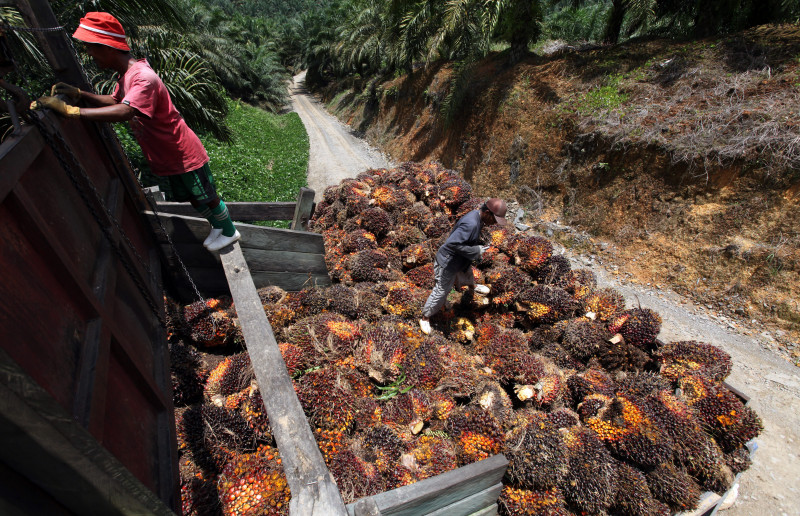
Tek said that despite initiatives towards mechanisation in many aspects of plantation operations, the palm oil sector still relies on migrant workers, especially for core operations including harvesting jobs which do not have practical and cost-effective solutions.
He said oil palm growers are struggling during this challenging period amid crop losses and the slow return of migrant workers.
“The proposal to introduce the multi-tiered levy system will only add salt to the wound,” he said.
Finance Minister Datuk Seri Tengku Zafrul Abdul Aziz had said yesterday that the multi-tiered levy for migrant workers is targeted to be implemented by 2023.
“Companies with a high number of migrant workers such as the plantation and construction sectors will be subject to a higher levy rate. The government plans to rechannel the additional levy revenue to support employers funding automation initiatives,” he said.
He added that the policy would incentivise and help employers reduce dependency on migrant workers. – The Vibes, October 8, 2022