MALAYSIA’S monarchy faces a rare stress test as a deepening royal rift in Negeri Sembilan threatens to spill into national institutions, with attention now fixed on the upcoming Conference of Rulers later this month.
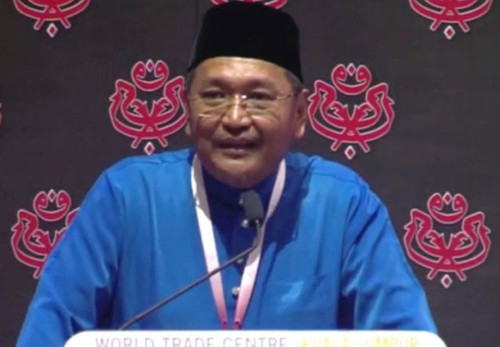
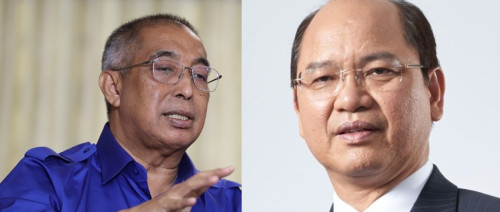
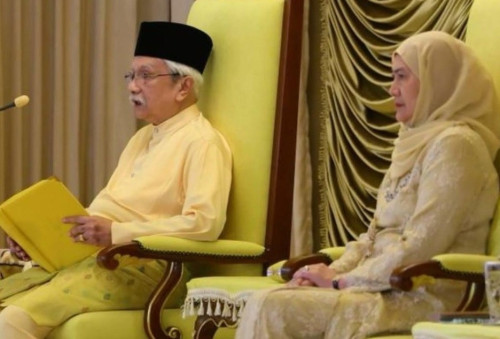
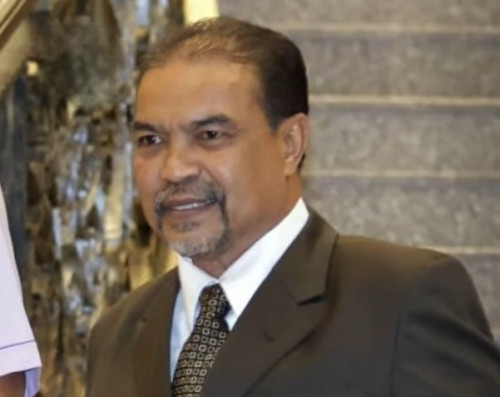
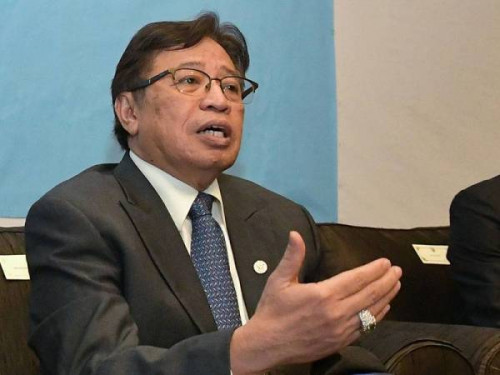
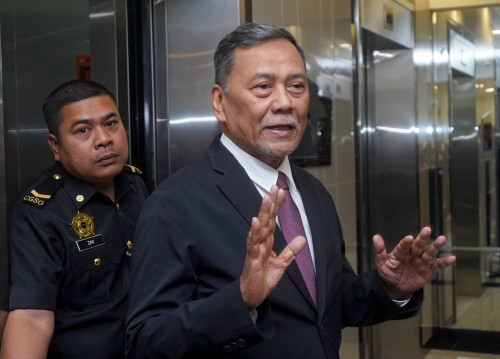
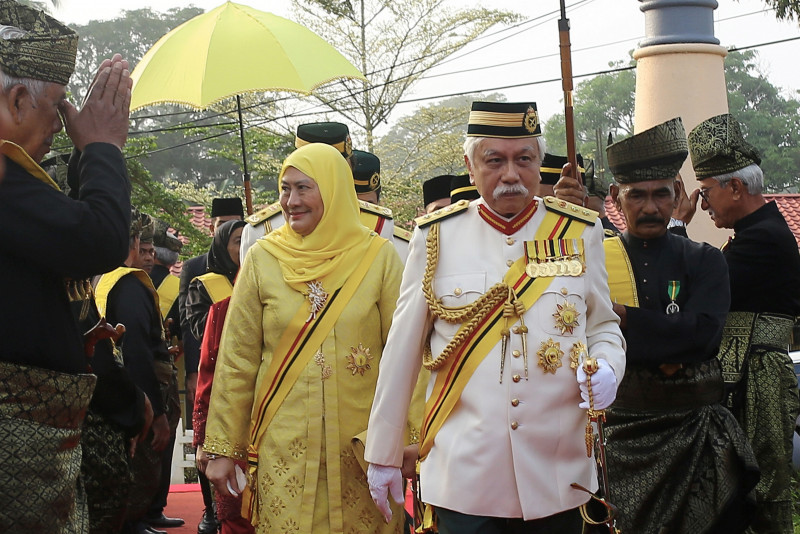
The crisis, reported by The Straits Times, centres on a months-long power struggle between Negeri Sembilan’s Yang di-Pertuan Besar, Tuanku Muhriz Tuanku Munawir, and four Undangs — the state’s influential territorial chieftains — who have moved to depose him and install an alternative claimant, Tunku Nadzaruddin Tuanku Ja’afar.
The stakes are unusually high. When Malaysia’s rulers convene from June 23 to 25, the question is no longer ceremonial: who sits at the table will signal which side holds legitimacy.
Federal and state authorities have continued to recognise Muhriz as the rightful ruler.
His presence at the conference — where he is reportedly due to chair proceedings — would reinforce that position, lending him near-unassailable institutional backing.
Any deviation, however, risks plunging the state into deeper constitutional ambiguity, with potential knock-on effects for Negeri Sembilan’s state election scheduled for Aug 1.
“It would be perverse if he is uninvited,” a legal expert familiar with royal institutions told The Straits Times, noting the broader implications for the monarchy’s internal order.
The Conference of Rulers, held three times a year, is no mere formality.
It holds veto powers over key legislation, including constitutional amendments, and deliberates on sensitive matters involving Islam and Malay customs.
Yet the Undangs have shown little sign of retreat.
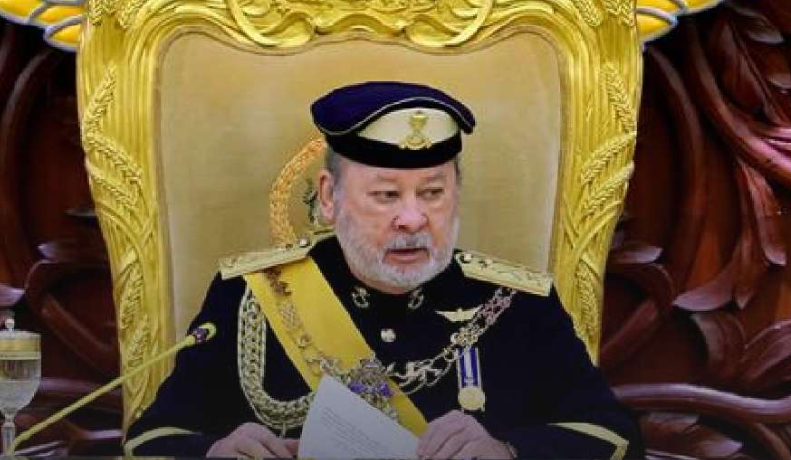
In a letter dated June 5, they informed His Majesty Sultan Ibrahim that Muhriz had been removed and replaced.
The move came despite a High Court injunction barring changes to the state’s highest customary body, the Dewan Keadilan dan Undang (DKU), pending legal resolution.
The conflict traces back to long-simmering tensions.
Under Negeri Sembilan’s Adat Perpatih system, the Undangs possess the authority to elect — and, under certain conditions, remove — the ruler.
The breaking point came in April, when Muhriz chaired a DKU meeting that affirmed the dismissal of one of the Undangs by local tribal leaders.
Days later, the chieftains retaliated with their own ceremony declaring his removal.
Political fault lines quickly followed.
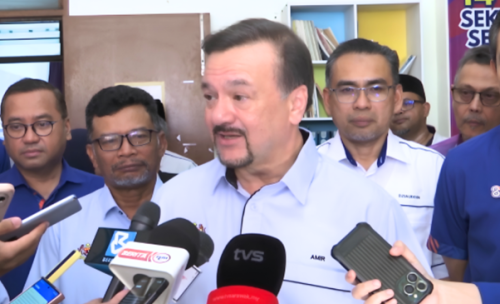
UMNO withdrew support for Menteri Besar Datuk Seri Aminuddin Harun after accusing the state government of interfering in royal affairs by backing Muhriz.
The administration responded by dissolving the state assembly in a late-night move on June 4, widely seen as an attempt to pre-empt the installation of a rival ruler the next morning.
Authorities intervened on June 5, blocking access to the planned coronation venue. The Undangs instead regrouped at a hotel in Melaka, where they proceeded to proclaim Nadzaruddin as ruler — a move that drew widespread ridicule online.
Despite a court order freezing DKU actions, the chieftains have persisted, even seeking royal acknowledgement ahead of the rulers’ conference — a step that risks contempt of court.
At the heart of their defiance is a constitutional interpretation: that the Undangs, in certain provisions, share the status of “ruler” alongside the Yamtuan, granting them a degree of immunity.
The narrative has been amplified by Tan Sri Rais Yatim, a former Negeri Sembilan chief minister aligned with UMNO, who has positioned the chieftains as constitutional equals to the sovereign.
But beyond questions of tradition and legality, the dispute reflects a deeper contest over influence.
Clashes between the Undangs and the state leadership have surfaced repeatedly in recent years, particularly over the awarding of state honours.
Following the pandemic, quotas for the Darjah Setia Bakti Negeri Sembilan — which carries the “Datuk” title — were halved, reportedly after controversies involving fraudulent nominations and questionable recipients.
In another flashpoint, one Undang was accused of issuing mining licences without proper authority, further straining ties with the state administration.
Against this backdrop, the royal feud has unfolded alongside broader political instability.
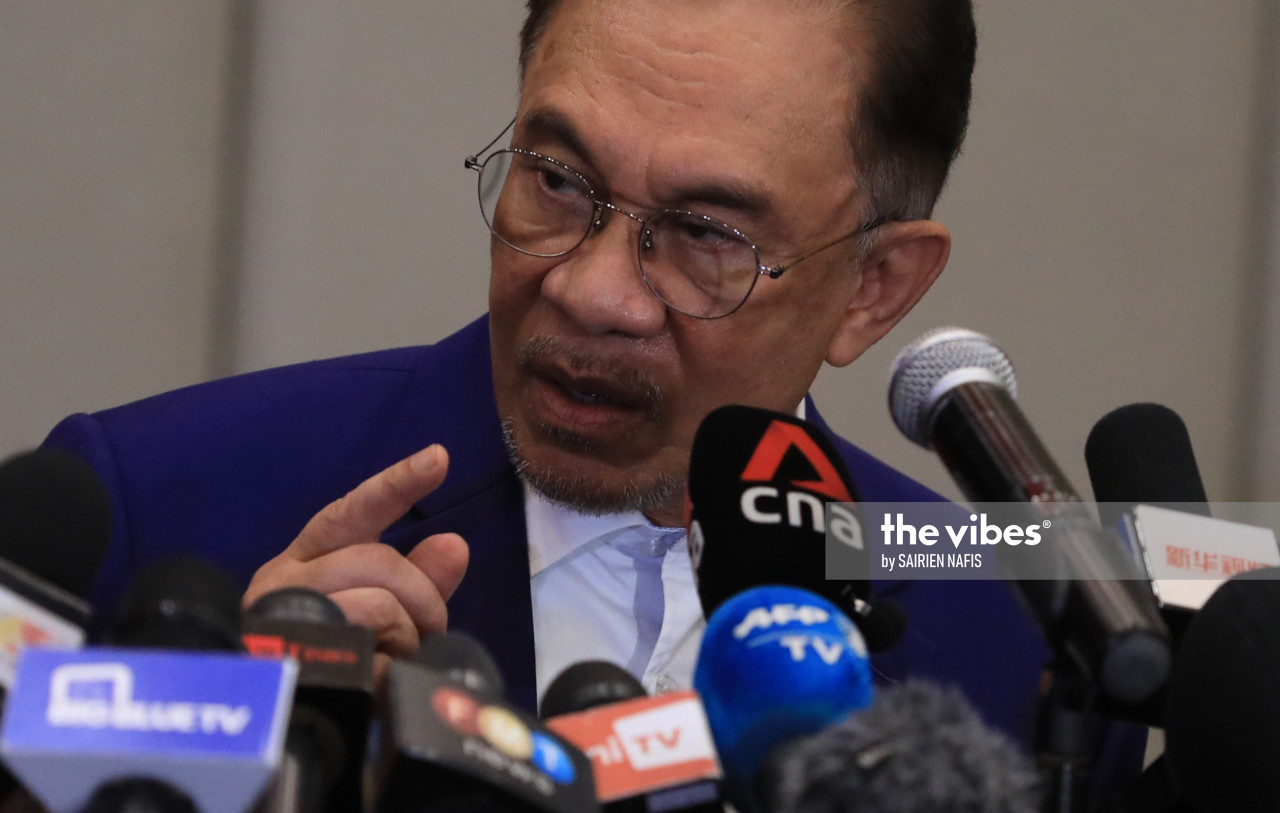
Relations between Prime Minister Datuk Seri Anwar Ibrahim’s Pakatan Harapan coalition and UMNO have deteriorated, with both sides now heading into separate electoral contests in Johor and Negeri Sembilan.
The convergence of political rivalry and royal dispute has underscored the expanding role of Malaysia’s monarchy. Since 2020, the King has played a decisive role in appointing prime ministers, while state rulers have increasingly influenced policy directions.
As the impasse drags on, even those within the dispute are acknowledging the risks.
“Letting this impasse continue is not in the best interest of the state and the people,” said lawyer Azam Aziz, representing one of the Undangs. – June 16, 2026