ATHENS – Every time Elisa drives to a client’s house for a hairdressing job, she makes sure to pack a bag of groceries in the car in case she is stopped by Greek police.
Skirting the country’s strict lockdown rules to put food on the table, she is among thousands of undeclared Greek workers facing additional hardship during the second wave of the coronavirus pandemic.
“I write out a declaration that I’m going shopping, and I mainly work in my neighbourhood,” says the 32-year-old.
“The city centre is more risky as police checks are more frequent,” she said.
Greece went into a second nationwide lockdown on November 7 after a dangerous spike in infections accompanied by scores of daily fatalities.
Anybody found by police venturing outdoors without a valid reason faces a €300 (RM1,462.03) fine.
Company workers may commute with a written declaration from their employer. But that’s not an option for the self-employed – mainly native Greeks and long-established immigrants – and especially those hiding their full income from tax authorities.
Greece's black economy has historically been one of the biggest in Europe, accounting for over a quarter of the country's output.
Now, after a decade-long economic crisis that wiped out a quarter of the country's wealth and sent unemployment soaring, many Greeks facing job precarity say they cannot afford to keep up with taxes and living costs.
The hairdressing salon that employed Elisa was among thousands of small businesses that did not survive the 2010-2018 crisis.
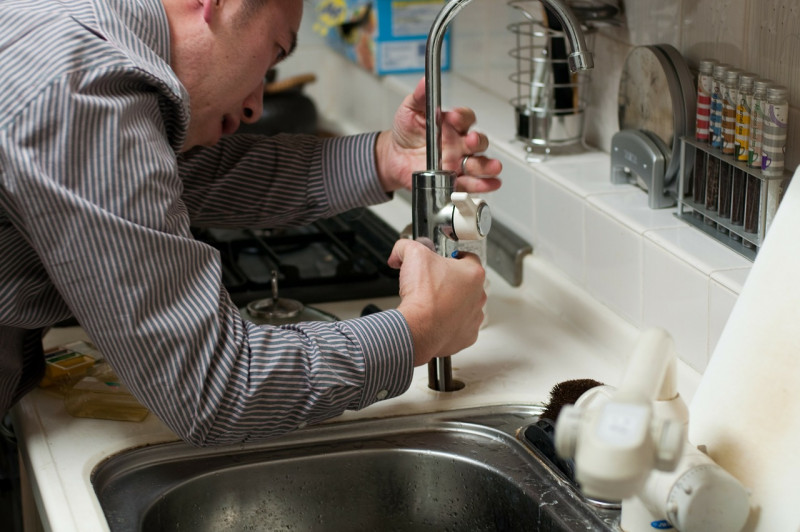
“I’m forced to break the law. It’s a matter of survival,” says Vangelis, a plumber in his 40s who takes jobs in his neighbourhood and declined to give his real name.
“I can’t stay at home and earn nothing... I’d rather take the risk. This way, I can at least make €50 a day and pay my rent and supermarket bills," he adds.
Vangelis says his earnings fell by half during the first six-week Covid-19 lockdown in the spring.
But thankfully, police are more tolerant now, he says.
“It’s not like we're stealing.”
Vangelis insists that “everybody knows how the economy works in Greece, the money must circulate; the majority of delivery men have no social security and the police turn a blind eye”.
According to estimates the mobility rate – how many people are going out to work – rose by 35% during the second lockdown compared to the first, says Panagiotis Petrakis, a professor of economics at the University of Athens.
The mobility rate is one of the indirect indices used to track the underground economy.
The overall losses to the economy as a result of the first lockdown totalled nearly €2.5 billion, according to official figures, but the real amount is probably double that according to Petrakis.
Greece's jobless rate is expected to reach 18.9% this year according to the government.
And national output is set to fall by 10.5% before recovering by over four percent next year.
As in many countries, the lockdown has mainly hit tourism, Greece's main money earner, but also personal and entertainment services, sectors where moonlighting is common.
The crunch is expected to hit hardest those outside the official fabric of the economy who are not entitled to state benefits during the pandemic -- low income, unemployed or undocumented workers.
Anna, a housekeeper from Georgia, says she lives “in anguish of being arrested.”
Though she has lived in Greece for more than ten years, she still has no residency papers.
“I have a certificate saying that I am helping a vulnerable person. But I have lost a lot of clients, especially among the elderly, who are afraid of bringing in someone like me who uses public transport,” she laments. – AFP, December 2, 2020
Greece’s undeclared workers hit hard by virus lockdown
Country went into a second nationwide lockdown on November 7 after a dangerous spike in infections accompanied by scores of daily fatalities
Updated 5 years ago · Published on 02 Dec 2020 1:15PM