THE temptation, naturally, is to fall into a kind of solipsism: that forced – for some at least – into a form of benign isolation, nothing outside of ourselves could possibly exist.
For a while, it felt as if we were – like characters in Jose Saramago’s dark novel 'Blindness' – stricken by an epidemic that had robbed us all of sight. “Inside us there is something that has no name, that something is what we are,” we are reminded here.
As if to resonate with that was the other, unexpected, set of statistics thrown at all of us – a lapse in “mental health,” the prospect of an increase in the rate of suicides.
That is how Chinese water torture works, the writer Bernard Henry-Levy reminds us in his book 'The Virus In The Age of Madness', “the sound of the drop, repeated endlessly, becomes a fearsome dragon.”
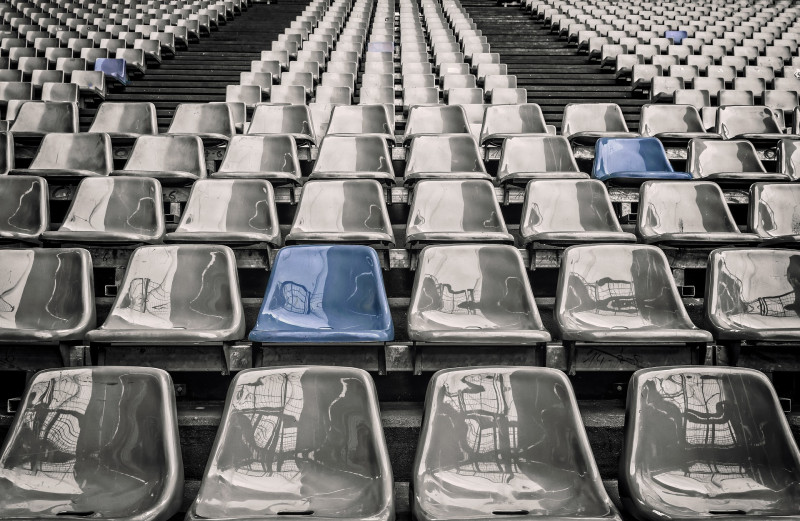
For many, the experience of culture was reduced to binging (not necessarily watching) countless episodes, of countless series, streamed over Netflix, against a backdrop of theatres, dance halls, music venues, stadiums stunned into silence.
There was an effort to bring some humour, even seriousness, through virtual discussions on the Plight of the Arts in the Age of the Pandemic.
While sincerely sympathetic, and on a few occasions, even participating, the lack, simply, of real eye contact, and the urgency of the tactile proved that Zooming was, for me at least, a great fraud.
Much of the anxiety confronting the pandemic everywhere fell into that struggle between life and economics; and where ‘culture,’ once claimed itself the navigator of the two fell, for reasons of exigency of this kind, to grappling simply with the latter.
Closer to home, efforts – equal to efforts in other industries – were assembled to lobby government and its relevant agencies to ensure that the “livelihood” of arts workers in Kuala Lumpur were addressed (it is important to reiterate Kuala Lumpur since it would appear that for Kuala Lumpur there was not much of ‘culture’ anywhere else in this culturally diverse and rich country worth considering).
Where culture mattered most – in the villages, in the interiors, in the plantations – tradition stood still; where ‘culture’ remained bound to ritual and healing, where the experience of ‘culture’ meant a daily confrontation with cultural and religious politics, where the incantations of the primal shaman, the Tok Puteri, were most needed, an uncommon resolve and resilience nevertheless prevails.
And the ingenuity of improvisation and adeptness, so innate in the culture of ritual is invested in community sustenance and communion.
Digging deep into mythology (for how else to make sense of an age shrouded in the biblical and the mythical) I come across a ‘rebel’ tale of the deity Shiva spitting venom at a set of scribes who debauch his words, marking yet another period of great change that begins with the act of culling.
Yet, within all the propagated gloom something else comes by way of a statistic – even as Covid forced the closure of countless bookstores, the publishing industry boasted a significant boost in sales, and most of these sales were confined to that which constitute the ‘Classics.’
Perhaps the most characteristic cultural act of this pandemic year was the palpable silence that greeted the announcement of the Nobel Prize for Literature to the American poet Louise Glück.
While each year the announcement is received with a mixture of elation, protest and pointless babble, 2020 afforded its winner a dignified silence, fitting for a poet that can be best described as a craftsperson of the interior.
“The poems to which I have, all my life, been most ardently drawn are poems of intimate selection or collusion, poems to which the listener or reader makes an essential contribution, as recipient of a confidence or an outcry, sometimes as co-conspirator.” – Louise Glück.
2020 ... your worthy epitaph. – The Vibes, December 31, 2020