
MULTICULTURALISM either embraces inclusivity or parades exclusivity.
The Lunar New Year has always been colourful in its representation of heritage. What makes it special is the compositions that make up the communities observing. The festive season is an opportunity to learn and understand our society and the accompanying dialogues better.
In a recent exchange with a friend, he shared stories of his family, which were filled with cultural punches that excite even the most impassive listener. He touched on the common generational celebratory traditions. Sadly, when asked what he speaks at home, the colloquial language of his Foochow ancestry was not inherited.
Weight of the Speak Mandarin Campaign
The deplorable command or the complete inability to converse in the mother tongue is a common affair among youth today.
“Nowadays, even grandparents could not speak it in some families because the kids have trouble understanding it. This is getting more and more common. It’s not just happening here but also in families across mainland China,” said Klang Hokkien Association (KHA) president Soo Hak Min.
The club has long been an avenue to bring out the spirit of cultural and educational undertakings among the youth – “to create a sense of belonging” among the local Hokkien community.
“It’s important to protect language diversity. Because it can remind generations today, so that they do not forget their roots and distinct identity,” he added.
In Malaysia, Mandarin (being a Northern Chinese language of origin) may be formalised in the education system. But the efforts to uplift and preserve spoken southern mainland languages have not been sidelined.
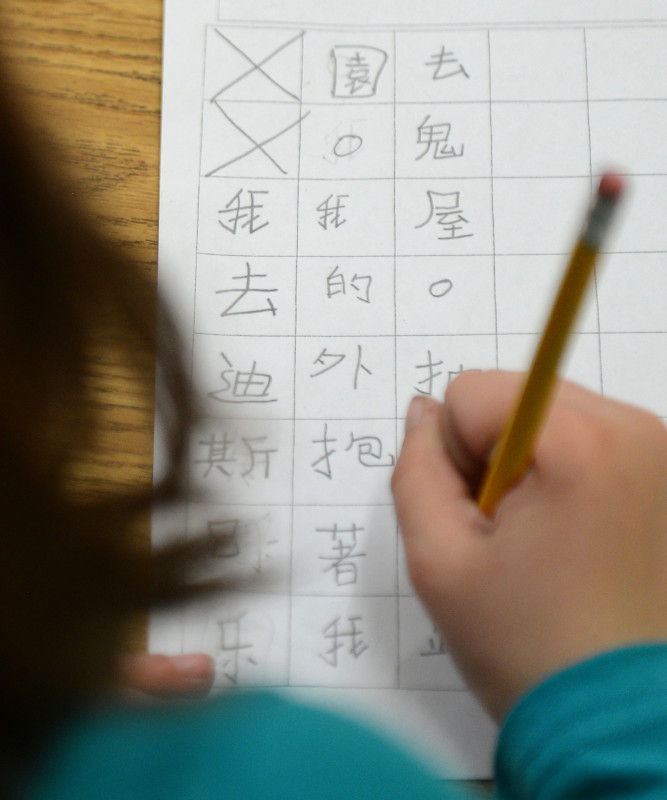
“The impact of Mandarin being an official language to our community and the ‘policing’ that happens in [Chinese] vernacular schools for speaking dialects does not affect the prominence that the community places on speaking traditional dialects,” said Soo.
Understandably so, because the Hokkien dialect is one of the largest spoken languages that exist across the Chinese community in the country. But, linguists highlighted that it could be pushed to the brink of extinction if preservation efforts are not emphasised adequately, for it to be utilised as a proper instructional medium.
That said, “the syllabus that exists now is already so packed,” argued former deputy education minister Teo Nie Ching.
“For Chinese vernacular schools, we are already teaching three languages – Malay, English and Mandarin. If dialects are added, it is going to be increased pressure for both students and teachers,” she added.
“Apart from thinking about training the educators to be able to teach dialects comprehensively, these schools have students from other races as well. So, it will be more of a challenge to ask them to learn dialects they are not native to."
Teo said that Chinese speaking countries use Mandarin as their official language (aside from Hong Kong), so it is a reason why it is being used as our official medium of instruction in Chinese based education.
She agrees that to a certain extent, vernacular schools are the platform to learn and preserve cultural identities, especially when it comes to languages. “But the hope for dialects to be part of the education system is challenging because students sitting in one class may be of different heritage."
There is no escape
“Frankly speaking, I don’t think the burden to teach dialects should be put on the Ministry of Education (MoE). It is more suited for the Ministry of Tourism, Arts & Culture to be taking such responsibility,” she said.
“If the standards are set so high, people will start asking about the importance of the other dialects that may not get equal visibility. For instance, there are also plenty of Malay dialects, so does that mean that we will be teaching that in schools as well?” she ponders.
Programmes to empower dialects “should be part of extracurricular activities and not seen as a medium of instruction, by way of not forcing. Of course, this is an initiative that should be done by the schools.
“If the proposal is prepared and presented, only then will MoE be able to have further discussions to approve (or not) before making it official,” said Teo.
An example of this is "how we got the ‘Lion Dance Club’ approved as an official extracurricular activity in schools”.
According to the Kulai MP, the best platform for children to learn their mother tongue is their home (as early development). She notes adults can instil the value of upholding it since young, adding the focus will be more concentrated.
“Twenty or 30 years ago the situation is different. Our grandparents may not be able to speak Mandarin well, so they speak their dialect. And that is why you see the significance of these diverse languages more predominantly in the past,” said Teo.
She said Mandarin is being widely used among the different Chinese communities, adding that it is not easy to forego the importance of its gradual emergence.
Emphasising the significance shared: “the general idea when a person looks at mastering languages nowadays is; If you can speak English and Mandarin, then you can survive anywhere in the world,” said Selangor and Kuala Lumpur Teo Chew Association president Lim Keh Kuan.
“Economically, the Chinese market [being global] is so big that Mandarin becomes appealing. Having said that, we still hold to our duty of promoting the Teochew dialect within the Teochew community,” shared Lim.
He says the effort does not necessarily have to be at a level of how Mandarin is used in Chinese vernacular schools. Learning a language itself is its freedom, “and you should be able to pick up more than just one.
“At least, for those who are linguistically familiar with the multi-dialect groups here in Malaysia (with communication between communities being closely integrated), it offers an all-round command in the language(s). Having such a standardised language programme as part of the education system is not seen as a burden,” he said.
Also sharing views on whether Mandarinisation of Chinese-education accelerates the pace of language loss, the Federation of Hakka Association of Malaysia president, Dato Ir. Steve Chong Yoon On said: “I would rather look at the relationship of Mandarin and the minor Chinese-languages in a symbiotic manner”.
“In our day-to-day living, having Mandarin to communicate with people from the other dialects is helpful, because Mandarin has an international trade quality. For the Hakka community, it is a must to learn Mandarin – being the ‘big’ mother tongue. That said, we still need to be giving our mother tongue undivided enthusiasm.”
Chong continued: “Undeniably, the challenge today is that youngsters resist learning the language of their ancestors because they feel ashamed about it not being popular. Older generations must motivate by way of encouraging them, not by teasing/insulting – or making it too instructional.
“Of course, it is not an easy task. Hence, we encourage initiatives to start from home. Since it is not allowed to have the language taught officially as an extra-curricular activity in schools, the association supports by creating a social activity-type of approach, such as a club for those who are interested in the Hakka culture,” he said.
“We have to make it interesting in a subtle way. We need to cultivate an environment where our young can feel a sense of ownership when they speak and understand Hakka. Hence, initiatives that are more in tune with modern times – such as through music,” he added.
Policing language and redefining the idea of ‘Chinese mother tongue’
The community in Penang particularly has long been multilingual and is well accustomed to the Hokkien language, to the extent that a local variant of Hokkien in Malaysia was developed. Almost everyone speaks it alongside the Malay language.
“We have historical records to support the existence of Hokkien speaking people, its educational institutions and how the population interact (the spoken language of Penang Hokkien,) without qualms. This scenario dates back to the founding days of Penang,” said linguist Sim Tze Wei.
Sharing in detail on the underlying cause that promotes the decline and death of the distinct tongues, he highlights, “there is an idea that there used to be one single language spoken in the past, simplifying anything other as so-called dialects or ‘corrupt versions of Chinese’.
“What it truly means by dialect is that it is a variant of another language. Hokkien, Mandarin, Hakka, and Cantonese are mutually intelligible languages. If you look at it in a European concept, it is like arguing Danish, German or Swedish as a dialect of English, when it is not. Even closer reference, arguing that the Malay and Javanese languages are dialects of one, or the other,” he explained.
'The Great Dialect Deception' – Many communities in and outside China used Literary Chinese as a starting point and adapted or repurposed the characters in Literary Chinese (an old written language used for formal writing) to write their local languages. Minute 09:00 in this video explains how the characters are adapted and repurposed by different communities.
According to the SOAS University of London graduate, the impression that Mandarin is depicted as the sole equivalent to the Chinese identity because it is proclaimed to be ‘real’, ‘prestigious’, ‘orthodox’ and ‘unifying’, leaves many of the other Sinitic languages (ie Hokkien, Hakka, Teochew, Cantonese, Shanghainese etc) marginalised.
While we see the individual clan associations representing the diverse groups sentient today, they may largely be predisposed to the belief system that enriches the promotion of Mandarin.
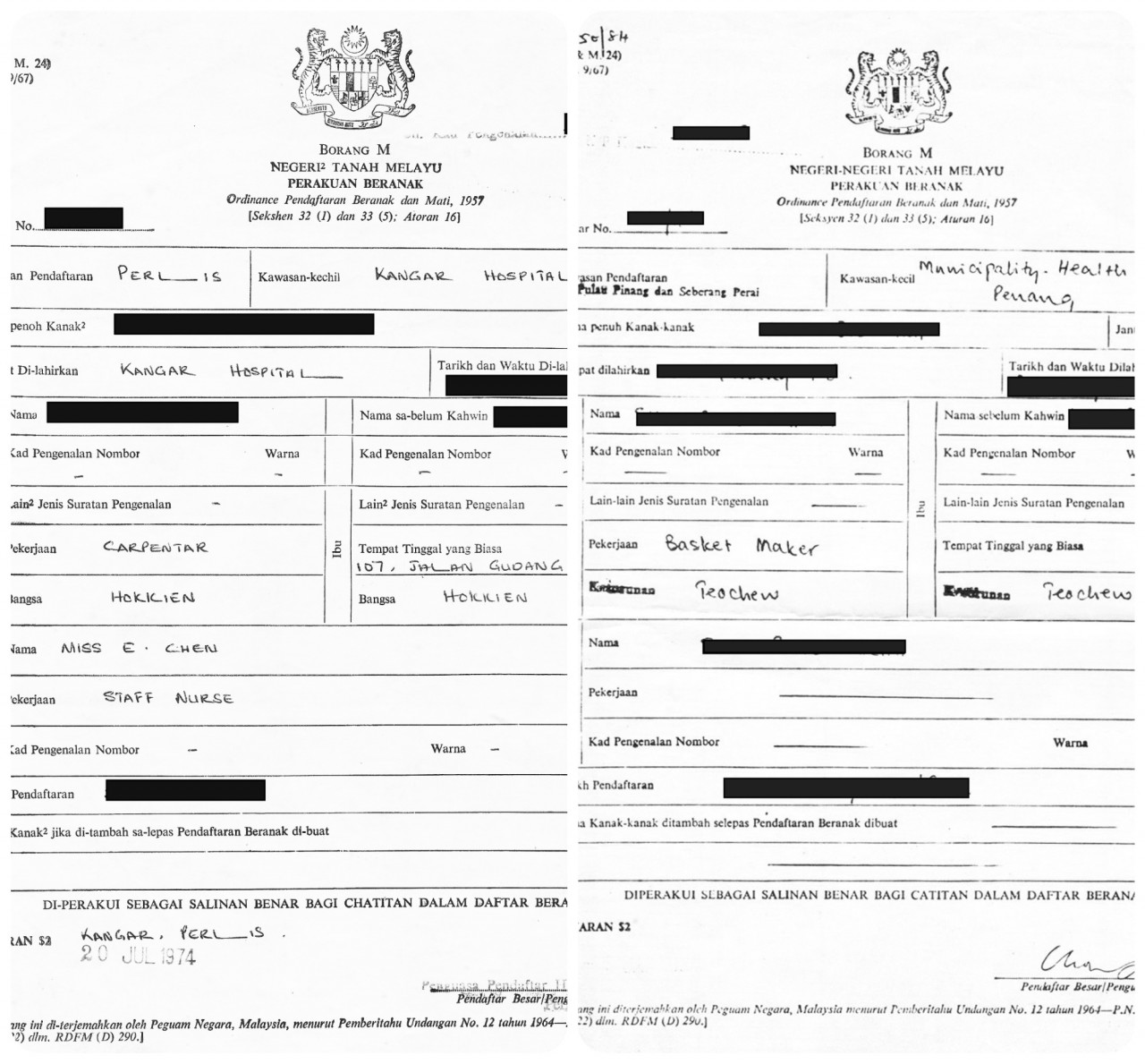
“In the past, these linguistic groups did not consider themselves as a single ethnic group. If we look at birth certifications of our parents’ generation – even as recent as the 1980s – people classify themselves based on their original grouping, eg Hokkien, Hakka, Cantonese and Teochew,” said Sim.
He notes that over centuries, the ‘Yellow Emperor’ has provided a new identity – the acknowledgement of ethnic Han – for the Chinese (either consciously or subconsciously) to campaign on.
“It is the carrying over of this nationalist ideology into their view of language, that has given rise to the view among many people, that Mandarin is the de facto Chinese language”.
Chronicling events happened in the past that contributed to the rise of Mandarin, the linguist shares: "Lim Lian Geok, a public figure of Hokkien descent, became a prominent advocate of Mandarin education in Malaysia. Sim Mow Yu, a prominent Hokkien leader, ran a campaign in Melaka to replace his mother tongue with Mandarin. The Federation of Hokkien Associations of Malaysia were so enthusiastic about Mandarin that they wanted it to replace all southern Chinese languages, including Hokkien, in public broadcast.
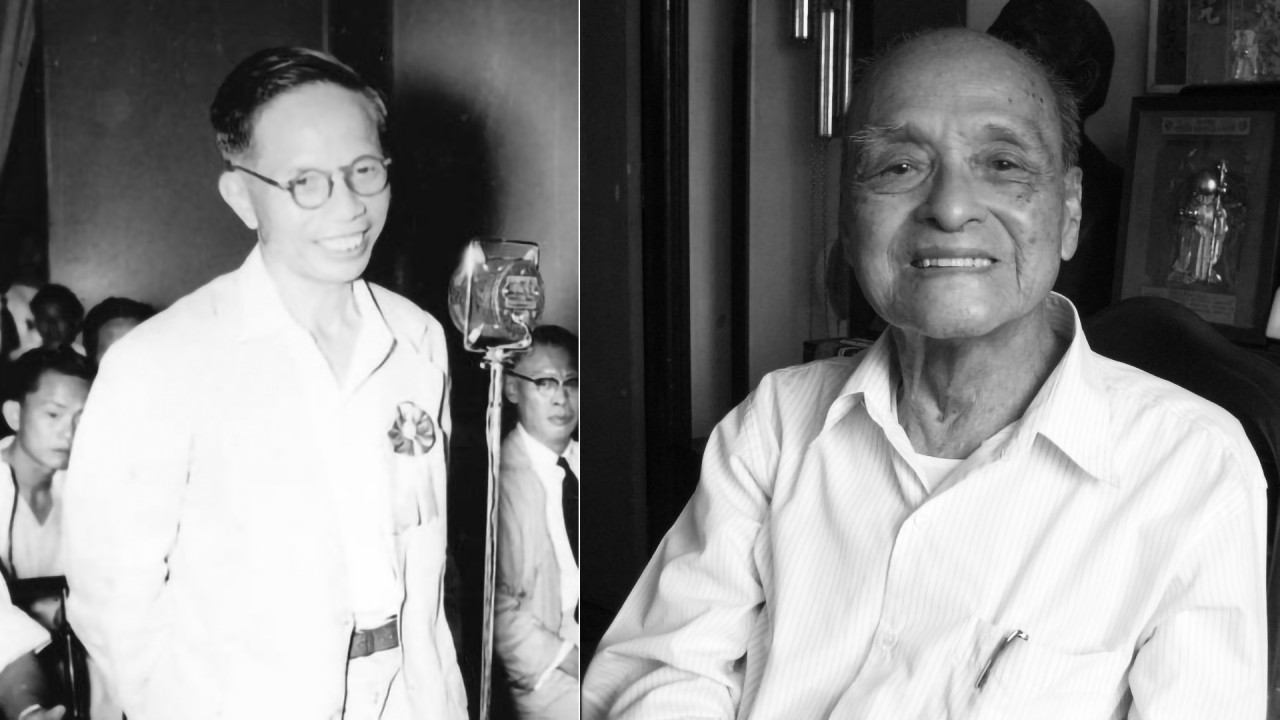
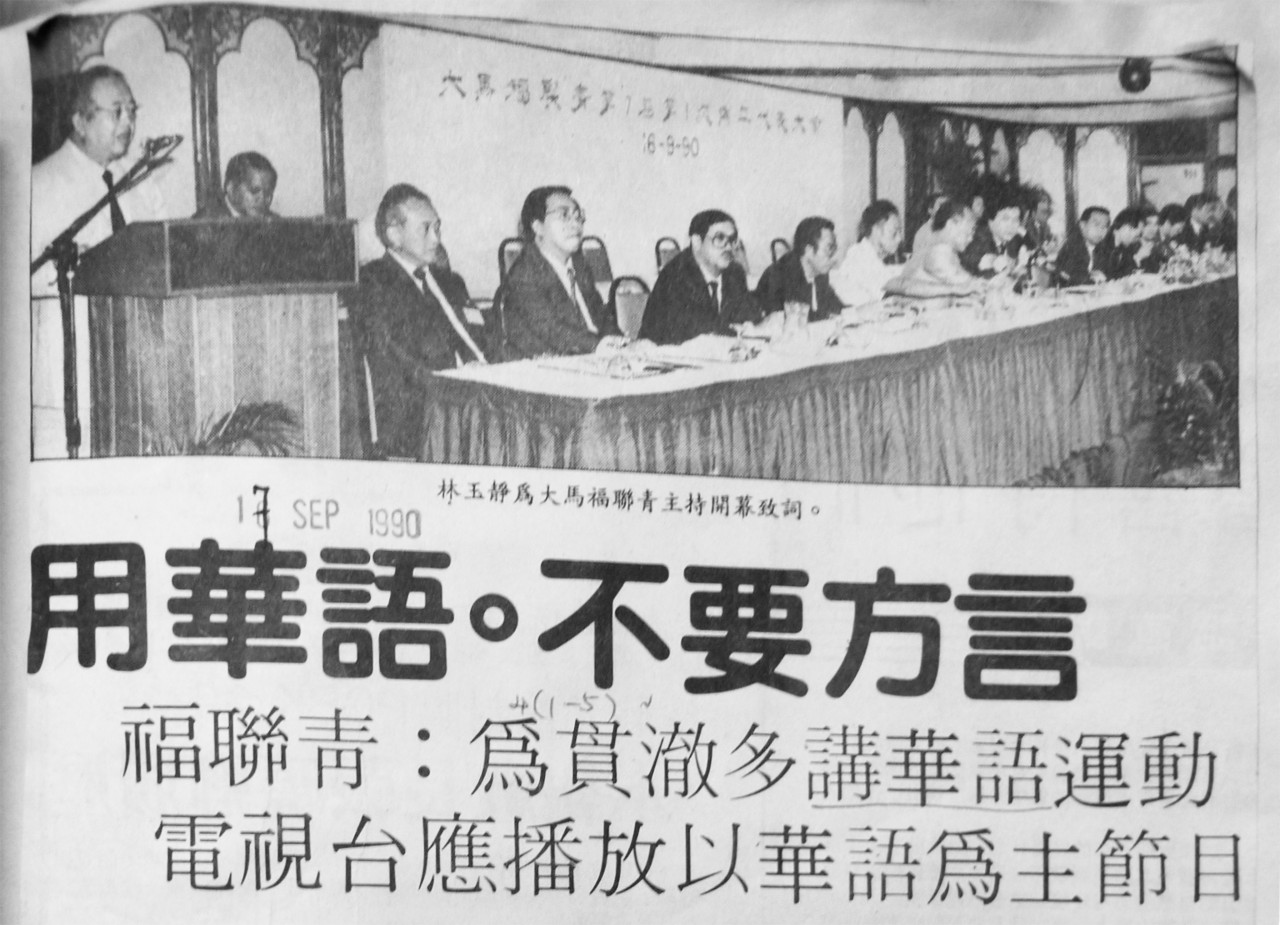
“Truthfully, if there was no such idea as the ‘Han ethnic nationalism’ that justifies the practice of Mandarin-only policy, the individual ethnic languages would not be at risk of dying,” said Sim, who is also president of the Penang Hokkien Language Association.
“Chinese education in the early 20th century was nationalistic, and [Chinese] schools (before Malaya gained independence) utilised history textbooks from China with the ‘Yellow Emperor’ promulgation present in pages.
“From May 31, 1920, the British government (in a move to maintain order) started to filter the syllabus, censoring some of the books because they were instilling nationalistic ideals that radicalised Chinese educated students at the time.
“Han Chinese nationalism provides an ideological basis for the export of Mandarin into the territories and domains where it had never been spoken, stripping other Chinese languages of social uses in schools and public life and replacing them with Mandarin,” he added. – The Vibes, February 13, 2021
*More on how Mandarinisation expanded, the origin of the language and its effect on Chinese ethnicity in Part 2, tomorrow.