![[VIDEO] The origins of coffee and a taste of Malaysian coffee culture](https://media.thevibes.com/images/uploads/covers/November_2021/_large/30092022_-_Chuan_Hoe_Coffee_Factory_-_Muharram_-_02.jpg)
COFFEE grown all over the world can trace its beginnings back through the centuries to the ancient coffee forests of the Ethiopian highlands. In Ethiopia, there is a legend that coffee was discovered by the goat herder 'Kaldi' who found goats raging and full of energy after eating the red berries of the coffee tree.
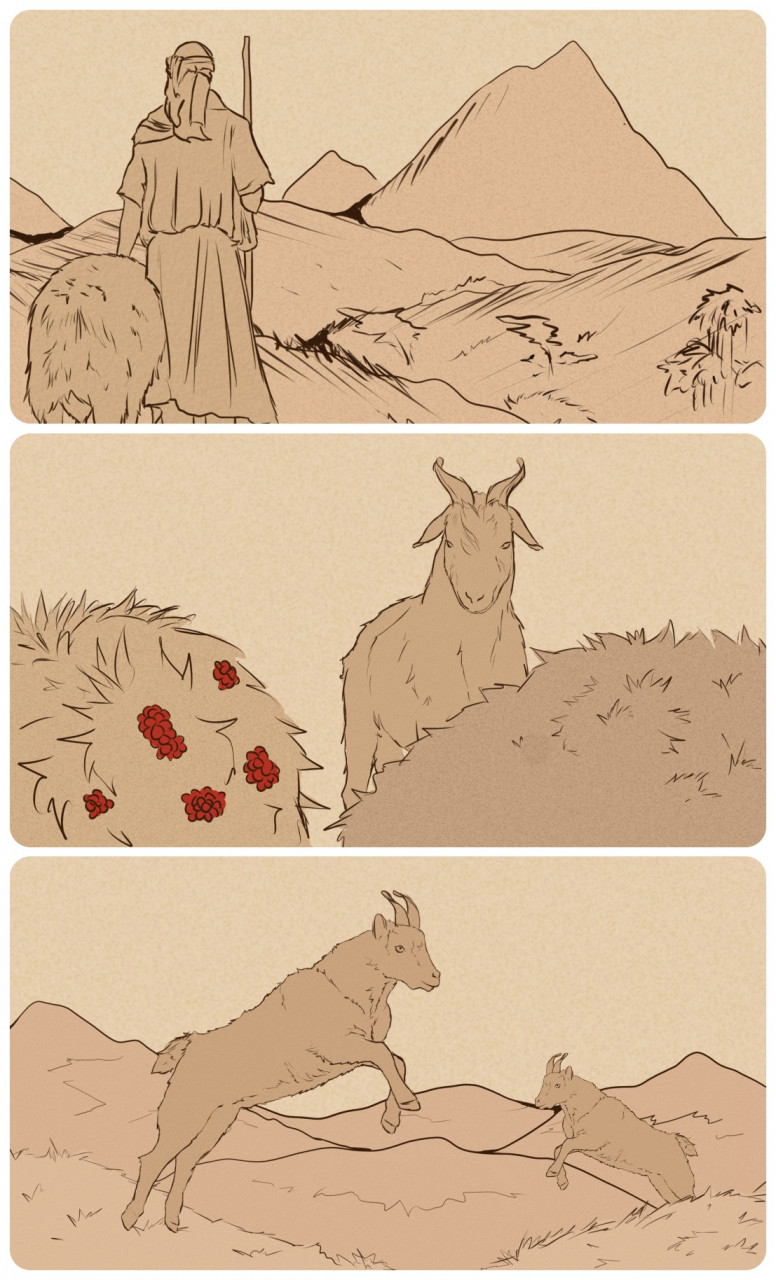
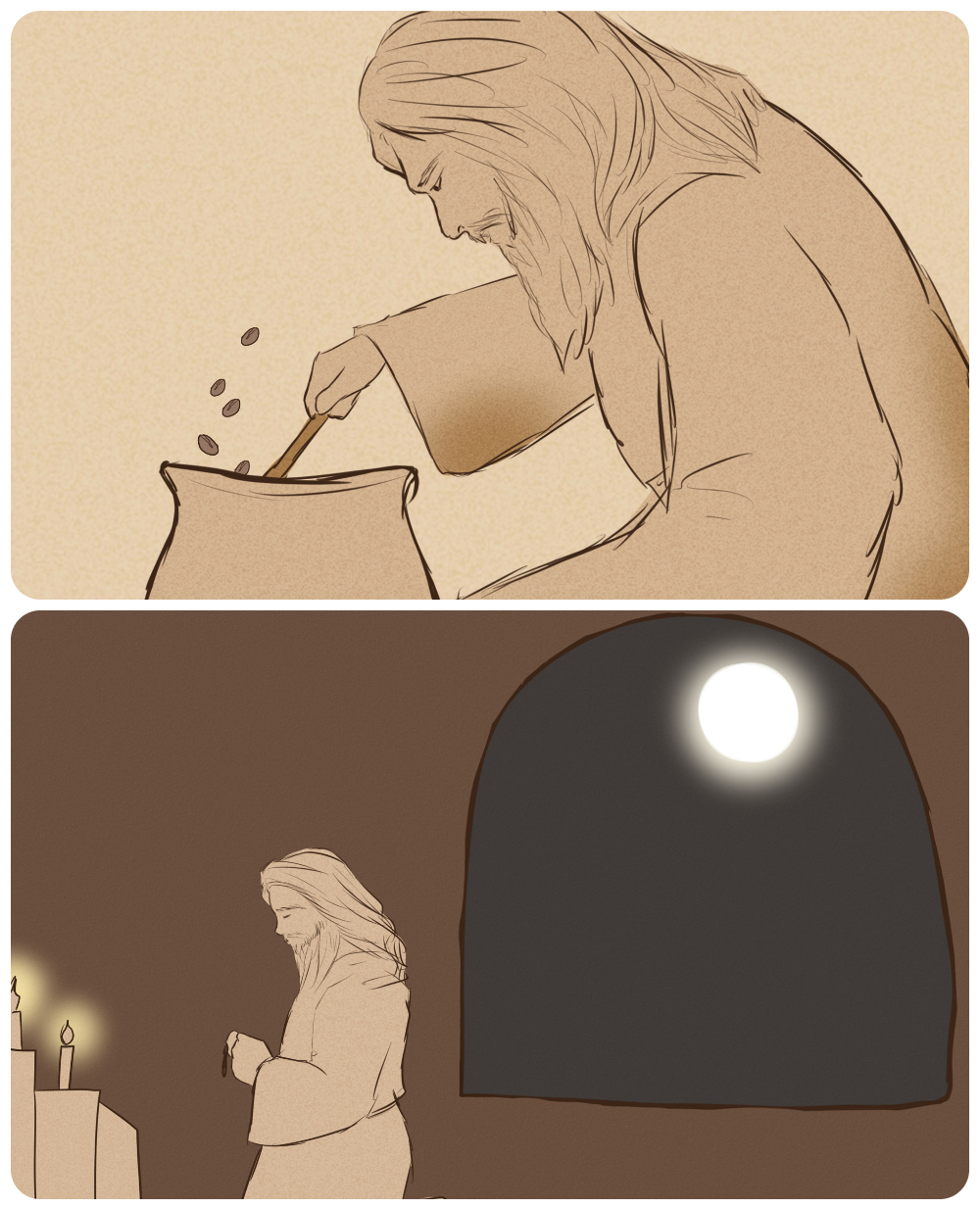
Kaldi reported his findings to the abbot of the local monastery, who then made a drink out of the berries and discovered that it kept him awake during long nights of prayer. With this knowledge mastered by Kaldi and the monks, the revitalising beverage began its spread throughout the Middle East and Europe.
Coffee trees are sensitive, therefore they require specific climate conditions as even temperature and soil differences can affect its quality and yield. In fact, coffee only grows near the equator, which is also known as ‘the coffee belt’.
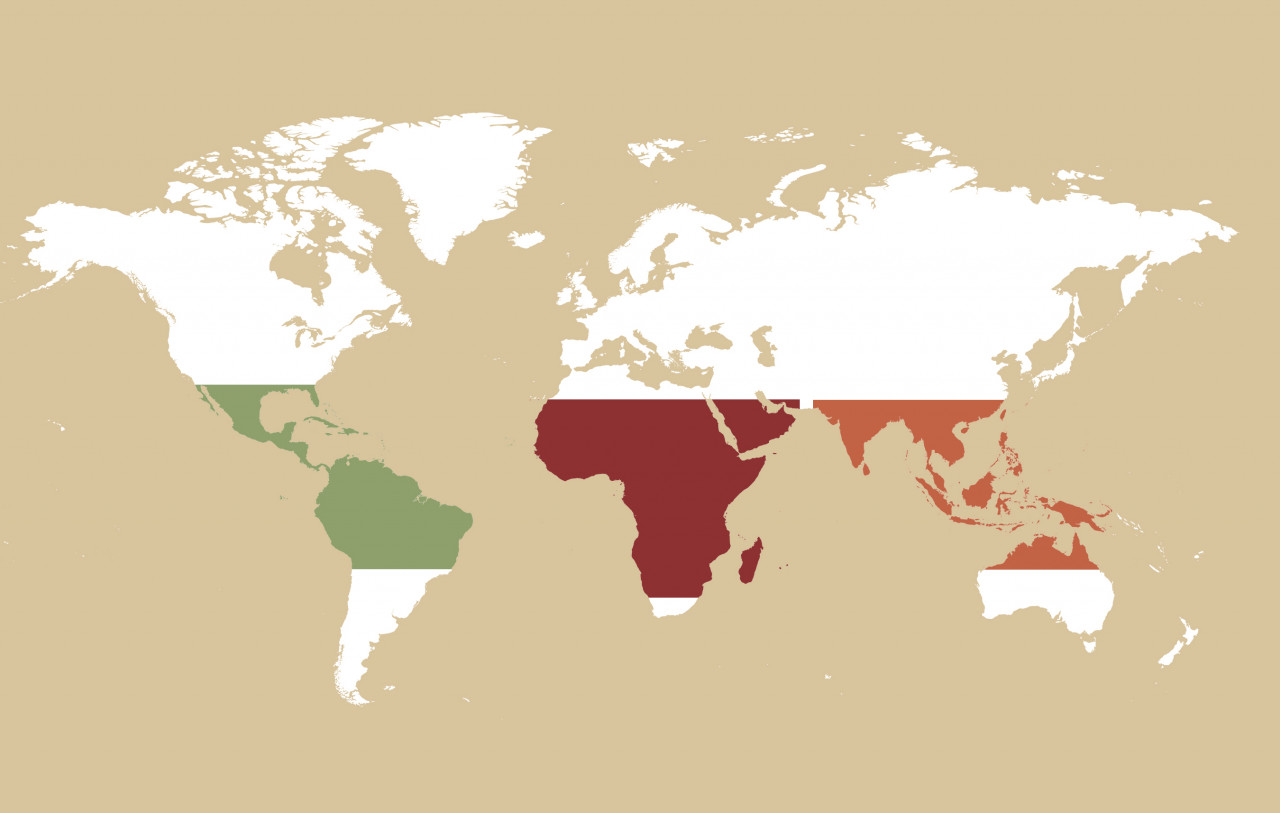
As per the illustration, Malaysia's equatorial climate is suitable for growing coffee like many other countries in Southeast Asia. Malaysia itself has an interesting coffee growing history and its own unique culture.
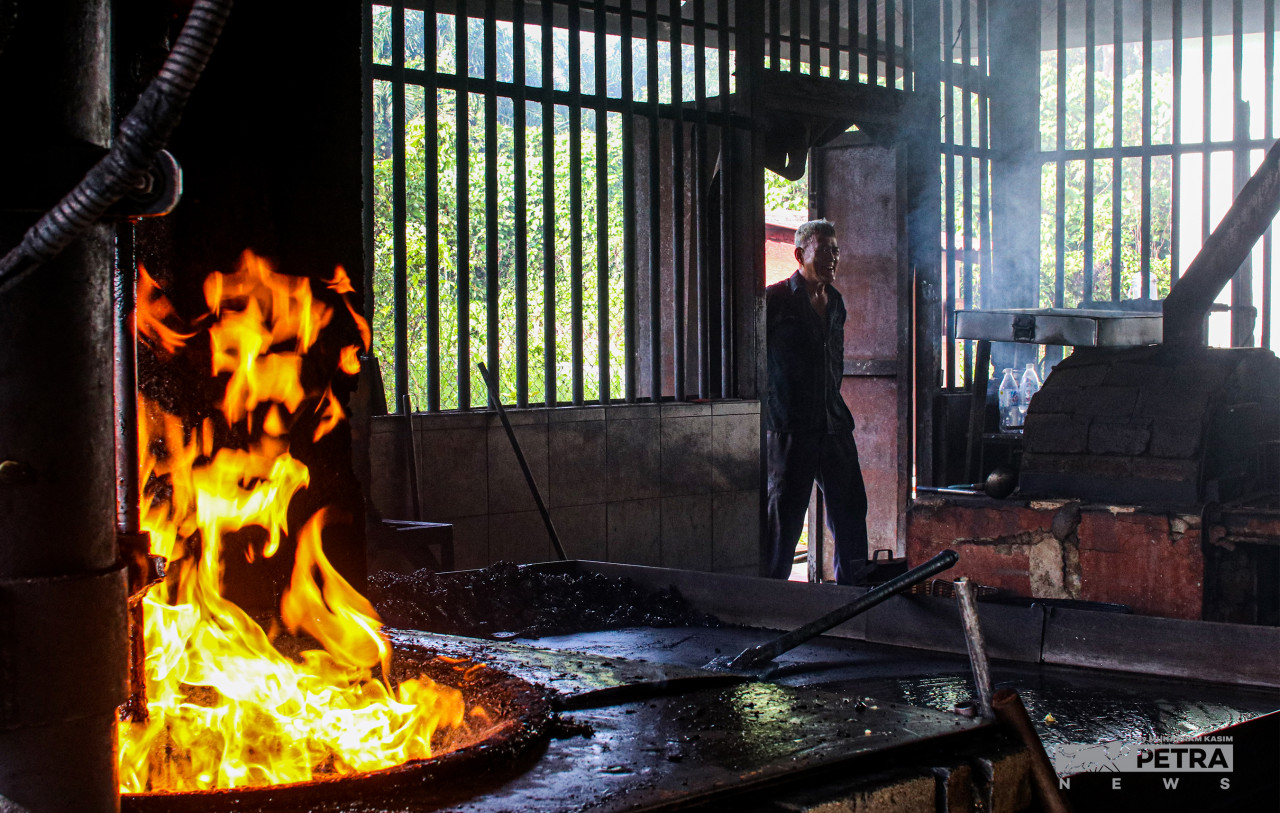
Chuan Hoe Coffee Factory is a traditional coffee factory located in Klang, and is one of the few ground coffee factories in Malaysia that still maintains the charcoal roasting method. Tan Loon Chuan, 64, is a third generation member of the family coffee-making business, who now runs the business with his children, continuing the tradition of coffee making.
For almost six decades, he has stuck with the traditional method of using charcoal during the roasting process. Tan believes this process gives the coffee a unique flavour and aroma that cant be found when using modern methods.

Tan, with more than 60 years experience, is able to handle the temperatures and the time-consuming arduous process of roasting the coffee bean, frying the beans with a mixture of sugar and butter in the smoke filled environment. He still works hard to make sure that the special flavour of the charcoal-grilled 'Kopi-O' does not vanish over time, like many other traditions are in danger of doing. – The Vibes, October 1, 2022