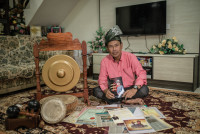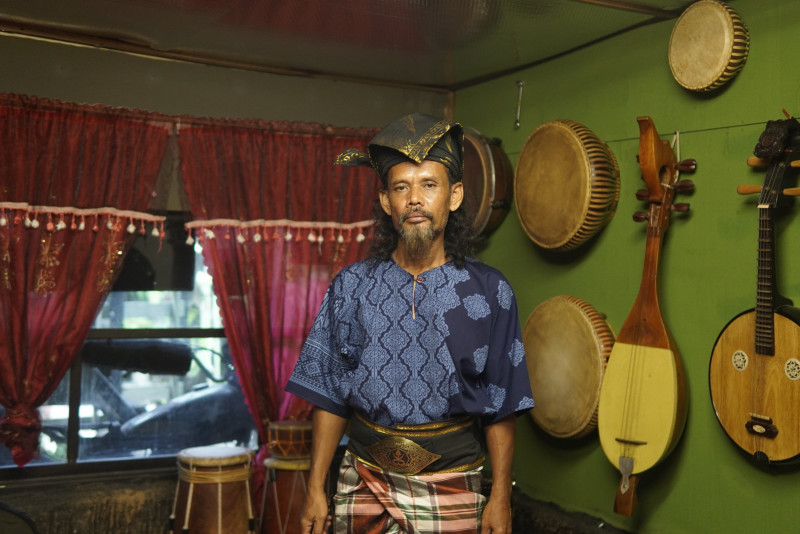
THE gendang, Pahang's Malay drums, are perhaps almost forgotten by today's generation. However, it has not broken Nor Azman Norawi’s spirit to revive the traditional Malay instrument.
Widely known as Man Kayan, the 56-year-old Pahang native started playing traditional music during high school. Since then, he has been on a crusade to bring the instrument back to popularity.
In 2008, he established Kumpulan Anak Kayan aimed at ensuring that traditional Pahang arts such as folk songs and Pahang drums are preserved.
In the early days of this group's establishment, it consisted of close family members – his wife, children, and relatives. As the group became more established, community members began to show interest in the art and enrolled their children to train and take part.
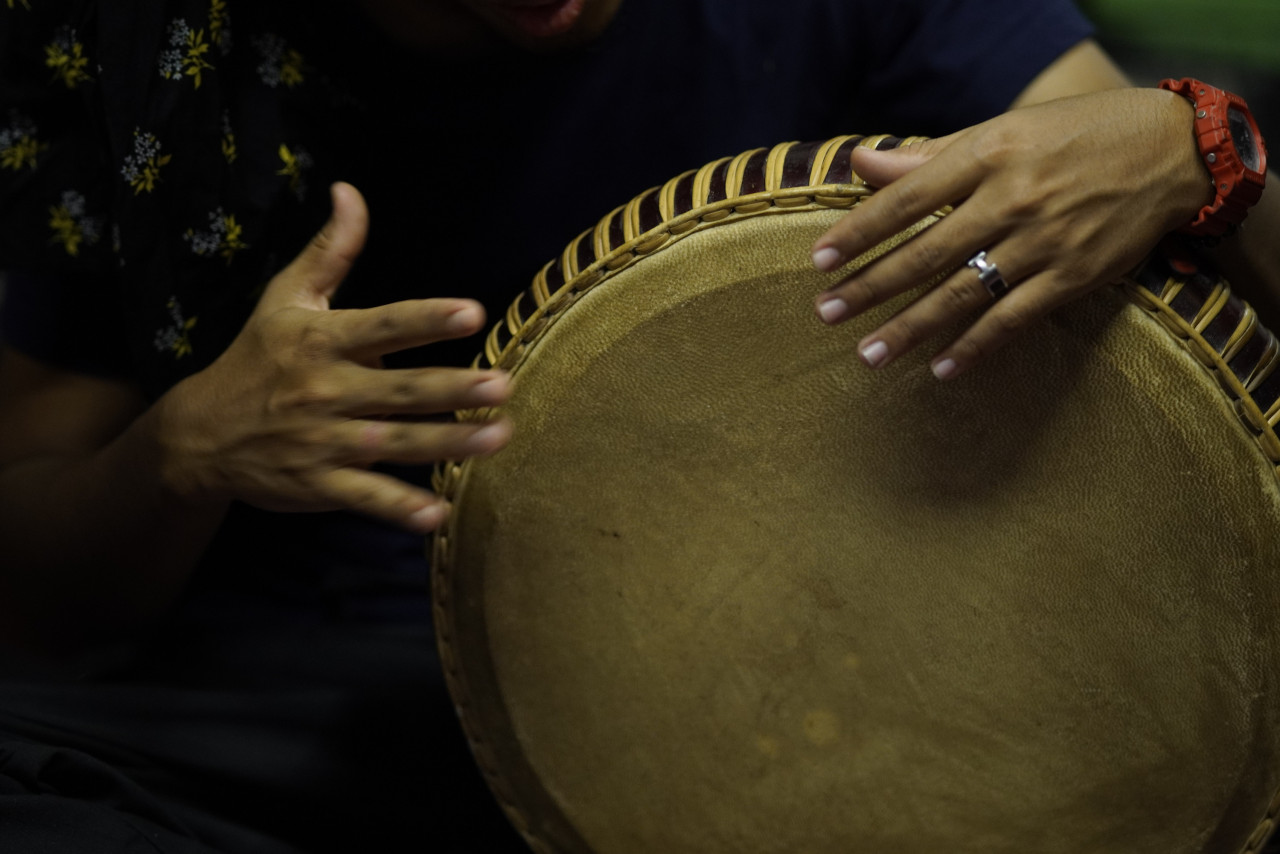
He then founded the Serindit Mati Tersepit Club in 2018 to gather children who exhibit a predisposition towards artistic activities around Kuantan to offer training, and opportunities to perform.
Kayan himself is an accomplished musician in his own right having performed locally and abroad including in London in 2012 in conjunction with the Southeast Asean Night at the University of Exeter.
He has also performed at many art and cultural festivals around Indonesia and Thailand.
Among his achievements was becoming the Champion of the Pahang Silat Drum Competition (2013), being appointed as “Tokoh Penglipur Layar” in a performance organised by the National Heritage Department (2012) and being appointed as a Tourism Partner by the World Homestay Organisation.

He also won second place in a Pahang song creation competition in 2010. Kayan, who was a former government employee, revealed that when he started his art group, things were not as smooth as they are now.
"The interest arose because this kind of thing (traditional music) is not around us. There is no point in complaining. So with the little talent we have, we decided to start something. As time went by, people began to become accustomed to us," he said.
Kayan believed that the atmosphere is not like it used to be for Malay traditional music. This could be because people are no longer afforded the time to drum. He described the challenges of having to learn the form from old masters.
"We had to find former masters of the Gendang. As it turns out, there was such a person who has been advocating for this art form. Dr Ariffin Said who was adopted by Unicef as a Living Heritage Figure, gave me a book about Gendang Pahang,” he said.
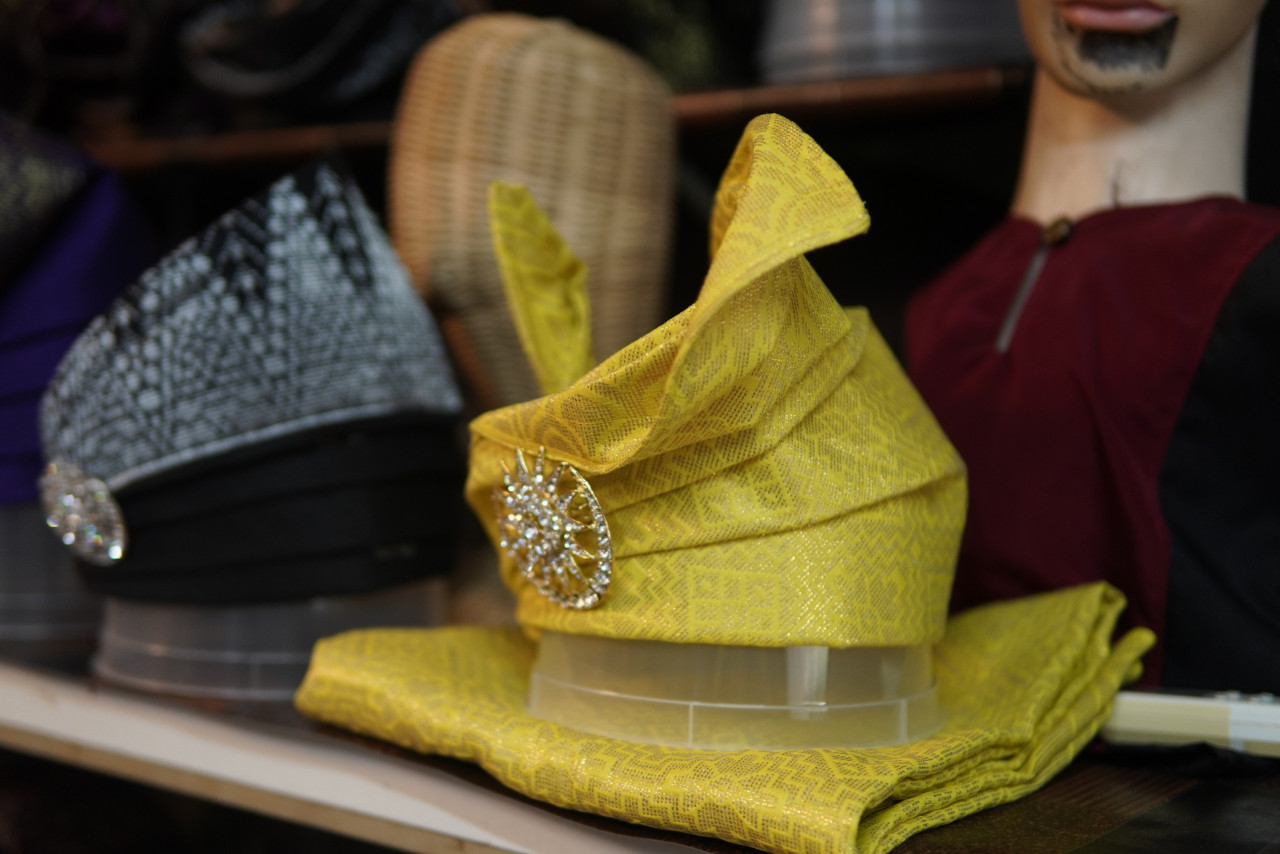
Kayan believes that the medium of traditional music, which is passed on for generations, can be a tool and asset for better communal unification.
Since 2018, he started teaching drumming sessions outside of his family to various age groups because he felt it was unfair that this knowledge is not being widely shared.
When asked what the challenges were towards preserving this art form, Kayan admitted the lack of economic opportunities was a major hurdle.
"The biggest challenge is that things like this do not bring in too much income. But if I give up, then this form will disappear. Why do I want to do this? Because I miss the sound of drums. This is my ancestor’s legacy," he said.
Kayan explained that the origins of Malay drumming are played based on instinct. Because of that, we often see drummers getting engrossed while playing. It is more of an expression of the heart translated into the physical act of a drumbeat.
Malay drumming is different from the guitar which has specific chords so that it matches the vocal or other instruments that are being played.
"There are various types of drums. But we focus on two drums: the gendang rebana and gendang acara silat. The gendang silat is mostly played to accompany dancers during events.
"We are trying to break away from that notion and redevelop the drum to be able to accommodate a broader spectrum as seen in our history," he said. He asserted that the art form should not be taken lightly and requires commitment and discipline.
“Drummers need to know the difference between playing seriously and joking around,” he said.
"For me, discipline is the main thing. We should also include Malay historical stories because we are playing Malay art. If there is a sense of pride in oneself, then they will not underestimate the matter, but rather will defend the dignity of the art itself," he suggested.
According to Kayan, the drums that his group plays are bought from friends who are good at making them, in addition to helping the craft industry. When talking about the future of this art, he remains optimistic and believes that all his efforts today will be reaped by future generations. – The Vibes, February 12, 2023
Noor Azman Norawi is the recipient of the second phase of Adiguru grant in Malay Gendang. The Adiguru programme is run in collaboration with Pusaka.
Adiguru Cendana is a community arts programme that aims to sustain the development and ensure the continuity of Malaysian traditional art forms, implemented by Cendana (Cultural Economy Development Agency) in collaboration with cultural organisation Pusaka. A total of 34 masters of traditional arts throughout the country have received Adiguru Cendana grants.