
EVER wondered what it would be like to go vegan or at least incorporate more vegetables in your meals?
Well, now is your chance!
Weeks after the ‘meat cartel’ scandal unravelled and Malaysians questioned their confidence in the country's beef and poultry – in rolled Veganuary. For the uninitiated, it is a month-long event that aims to encourage us to try an all-vegan diet.
The only thing stopping us from starting our plant-based journey is the commitment during the transition phase. But raw vegan celebrity chef Yin Yin Boey and local vegan restaurant owner Fauzi Hussein believe it's possible. Changing eating habits is not the only reason behind their lifestyle transformation.
My raw vegan experience
“I’ll be honest, I’m so tired of that question,” said Chef Yin. The query was on what aspiring vegans can do to substitute protein that is usually present in meat, fish, eggs and animal by-products.
“I don’t know why people think that they will suffer from protein-deficiency when they turn vegan. You can get enough amino acids from vegetables as well,” she said. The need for protein is greatly exaggerated. She added that reading widely helped at the beginning of her vegan journey.
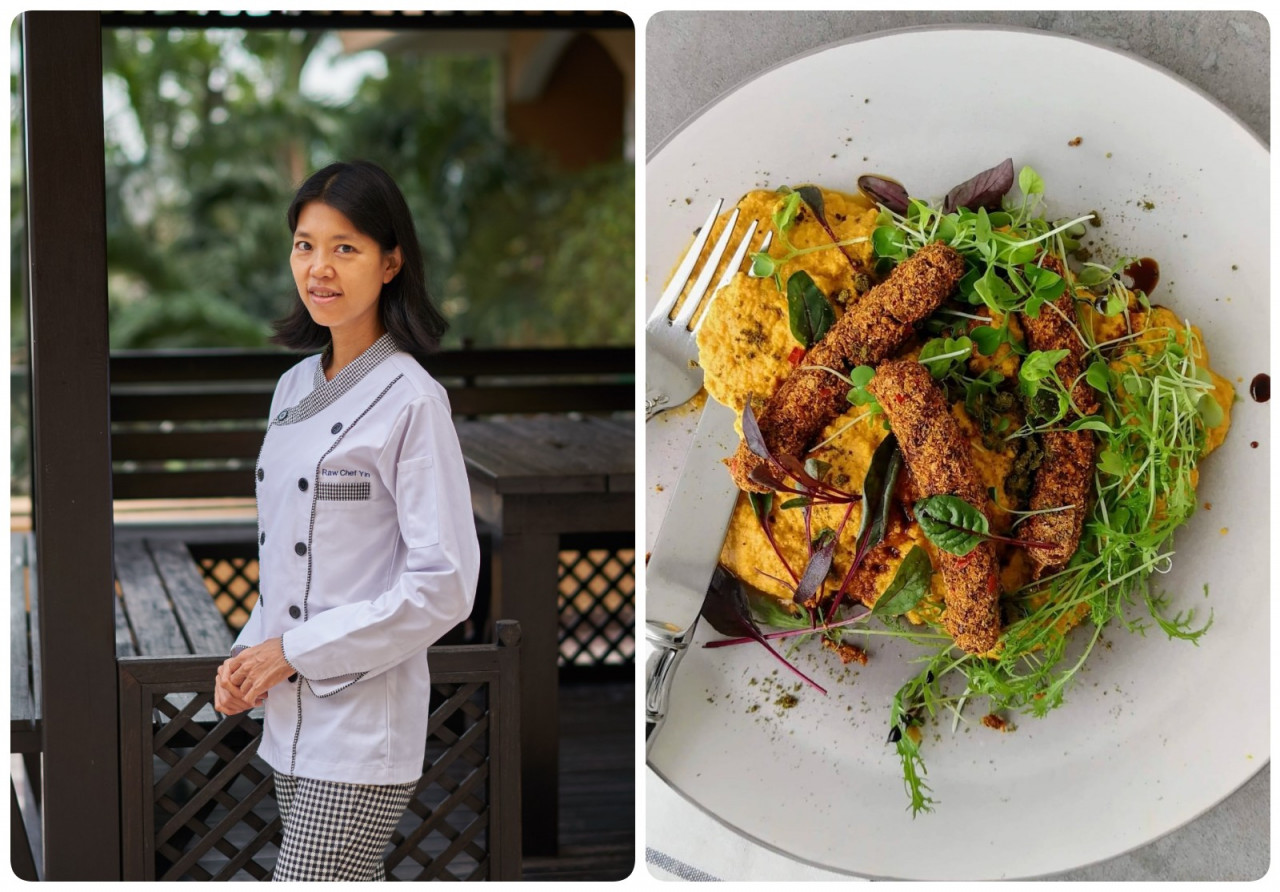
“Unless you are a bodybuilder (wanting to build muscle mass), I would not worry about it too much. Plant-based protein sources are plenty – broccoli, legumes, etc. I have nutritionist students arguing on this (where going vegan leads to low protein intake).”
Chef Yin said that she began cutting down on meat – and only ate fish at first – in the early 1990s when she was pursuing her law degree.
Over the years, her dream of going full vegan grew bigger and advocacy towards it grew stronger. It was only in 2014 that she pursued a career as a vegan chef promoting the diet. She has since published e-books, such as 'Raw Vegan Delights: Asian Edition', 'Fun with Asian Raw Food' (1st and 2nd edition), 'Fun with Ferments' and 'Fun with Vegan Cheese'.
She had also presented at vegan festivals (one being at TEDxUSMNibongTebal 2018 on a talk titled ‘The Transformative Power of Raw Vegan Food’). She hosted online courses to support individuals who wanted to switch to plant-based eating.
“It was quite accidental how I became a vegan chef. I was browsing the Internet for healthy ice-cream recipes because I had bought an ice-cream maker. I stumbled on a blog that had a recipe of raw vegan lasagna. It so happened that I had all the ingredients ready at the time, I got curious and tried making it. Sure enough, it tasted great,” said Chef Yin.
“I was so used to eating food that made me feel sluggish or bloated–the kind that you feel when you get into a food coma. But, the lasagna made me feel so energised. From there, I began my research and discovered a whole new world of raw veganism.”
What makes a raw vegan diet? “It is vegetables, fruits, nuts and beans that are not heated up between 42 to 48° C. It is safe to consume without nutrients being destroyed due to overheating.”
“Eating healthy is not expensive at all. Those that think so may only be sourcing for imported vegetables,” she argued, when asked about the cost to maintain a vegan diet.
“At one point, I was very fascinated with our local ulam, and included things like pegaga and ulam raja for one of my previous pop-up dinners,” added the chef.
She said that a tempeh making tutorial is one of her popular classes online.
“People tend to associate vegan food with western food (or ingredients). For instance, I don’t know why Malaysians are so fascinated with kale – it's not the only dark, leafy vegetable out there.”
“We have spinach, sawi, pak choi and others that are easily sourced (and relatively cheaper) that grant similar nutrients. That is what the raw vegan movement is essentially about – sourcing local ingredients to maintain a healthy plant-based diet.
The certified raw food teacher, who attended Matthew Kenney Culinary courses online and physical offline courses of the same school in Thailand, said her interest in raw vegan food was due to her personal health development.
Chef Yin suffered from eczema at an early age and had been living with it for more than 30 years.
“I was trying to find solutions to cure my condition. I went to several doctors and alternative healing treatments – Chinese medicine, ayurvedic – I tried everything. People even referred me to a few different skin specialists. But as soon as I changed my diet and tried raw vegan food, my eczema cleared up,” she said.
"Because you are getting the maximum amount of nutrients for your body through vegetables, you get better mental alertness, digestion as well as increased vitality. I'm 48 years old and people are often surprised when I tell them.”
Eat, live and love
“Before this, we relied on a lot of exports to source for the best ingredients for a well-balanced plant-based meal, especially meat alternatives (like Beyond Meat).
"But companies in Malaysia are working to have it locally produced,” said Sala restaurant owner Fauzi Hussen, when met at his plant-based eatery outlet in The Row, Jalan Doraisamy, Kuala Lumpur.
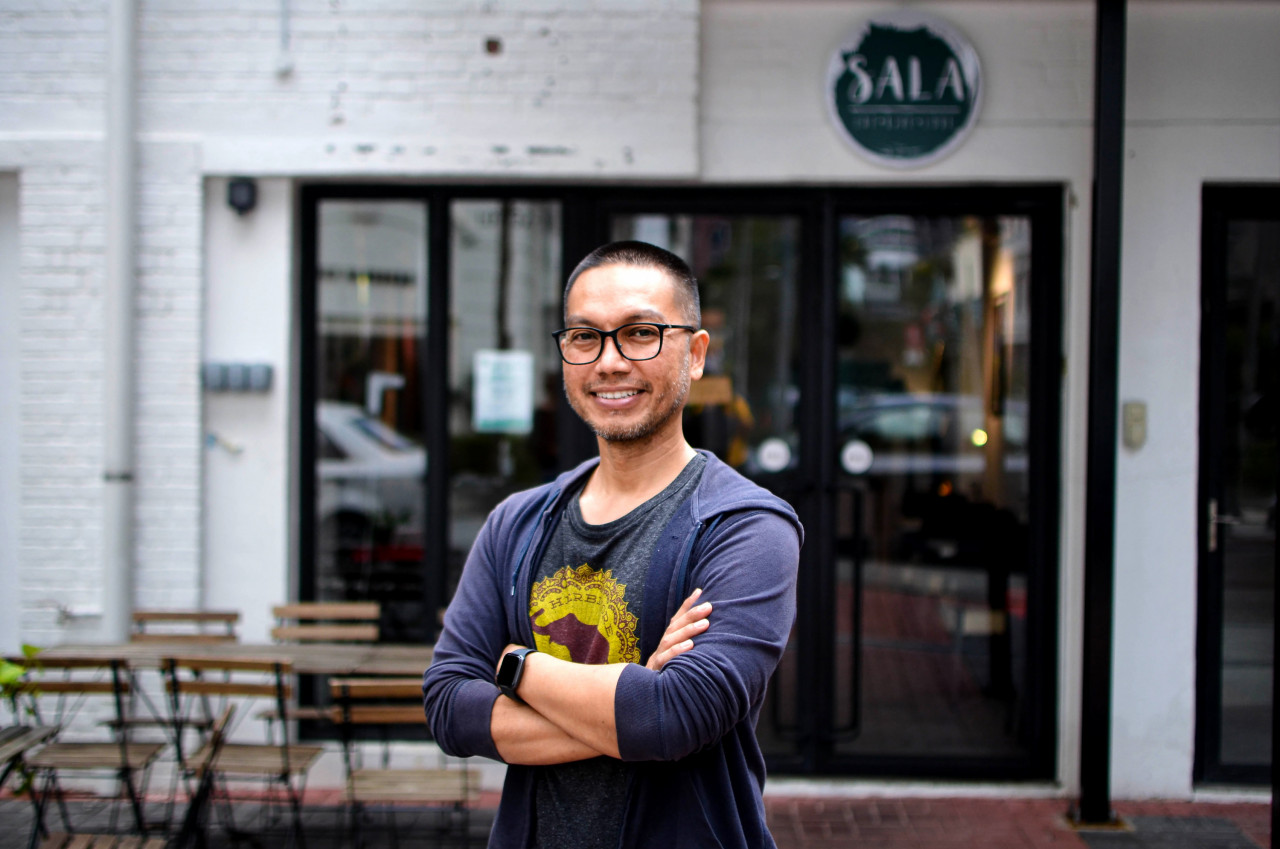
Sala which opened about four years ago is a restaurant that doesn't only focus on one type of cuisine.
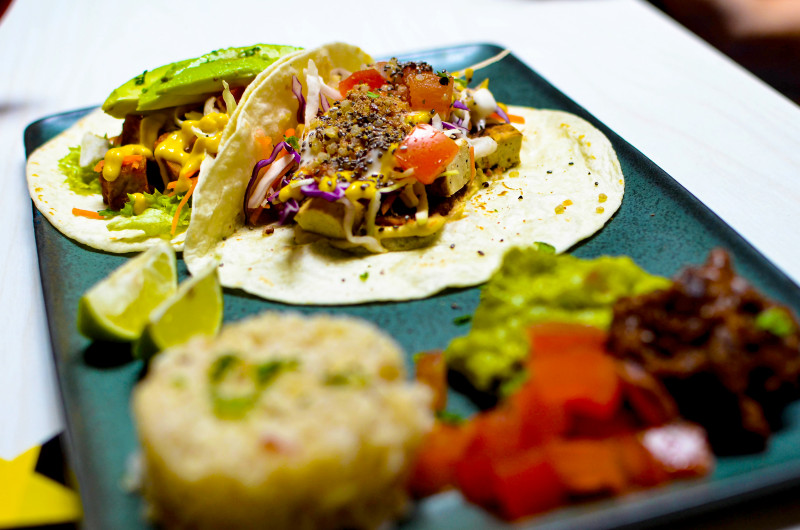
“Although our menu may predominantly offer Tex-Mex food, we do add local flair to our dishes and allow room for experimenting. We try to substitute ingredients from our recipes with items that are easily gained from local markets – even if the dish is of Latin American origin.
“While we do still use superfoods like quinoa, we don’t necessarily push it as the star item. For example, we use a lot of tempeh and tofu in our dishes. Because why not embrace food that is already part of our culture for generations? It has the right amount of nutrients plant-based eaters are searching for.”
He added that a vegan diet is more than just about being trendy.
In support of Veganuary, Sala is one of the partnering brands for the www.myveganuari.com campaign. Diners will receive deals if they go vegan for three, five or seven days a week.
Other brands include vegan halal cafe Halaveg and vegan ice-cream brand Kind Kones, among others.
Fauzi said that this is the best time for the government (particularly the Ministry of Agriculture and Food Industries) to step up. It is also good for those who are supporting buying locally produced food to press on catering for the demand.
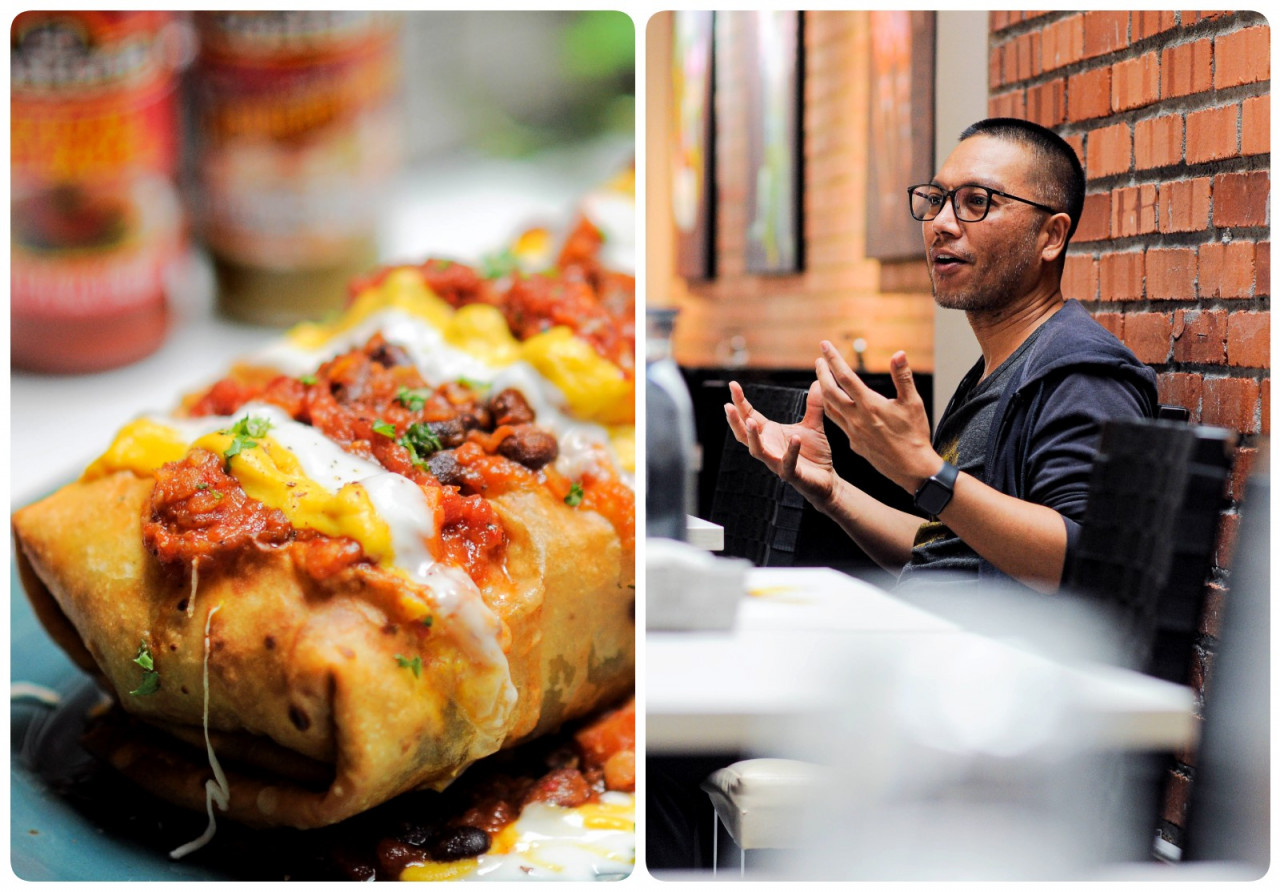
“Our soil is pretty fertile, and we can grow pretty much everything. So why not take that opportunity, which eventually will introduce a better appreciation towards local resources,” he said.
Fauzi’s experience of working in the restaurant industry is a long-time affair. He had run a café in Chicago about a decade ago, “learning everything on whole food and the business that comes with it. Before veganism was a focus.”
“It’s interesting because I remembered there was a vegan restaurant right opposite – that I have only been to once and I hated it. They had tempeh but it was awful – our tempeh is so much better,” he laughed. “It was just a combination of salt and pepper over salad.”
On his journey into becoming vegan – doctors had cautioned him about his cholesterol levels, which made him take a closer look at his diet.
“My cholesterol levels were spiking a bit and the solution was to have medication prescribed. At the time, I was quite active. I go to the gym often (five to six days a week, three hours a day) to work out. My uric acid started to go up as well because I was taking a lot of whey protein.
"It was a real wake-up call because my family has a history of gout (a form of arthritis),” said Fauzi, adding he kept a low-fat diet but the problem still developed.
“Then I started doing my research to see ways to curb it because I did not want to go on full medication to control my condition. That was when I started looking into vegetarianism.
"I remember telling myself that I was already eating clean, so why not go one step cleaner,” he added. It was not until Fauzi ditched dairy that he could see the positive changes towards his health.
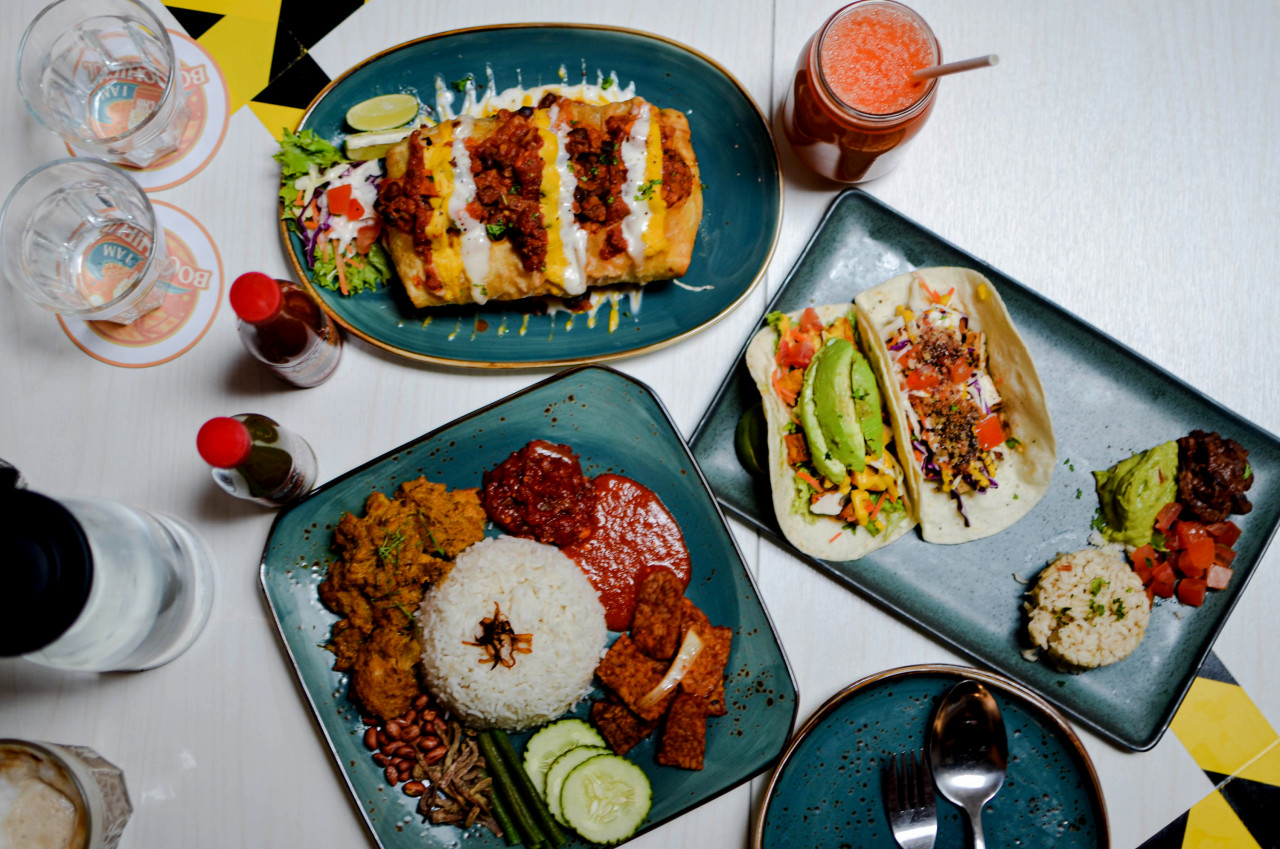
“It was hard for me because I loved cheese, but a lot of Asians are lactose intolerant which we tend to ignore. This was the major cause of my acne and stomach ailments.”
‘Eat healthily, Live compassionately, Love unconditionally’ is the motto across Sala's logo.
“I want this restaurant to be the place for people to try new things –going from regular meals to healthy and healthiest. It’s also to show that just because the dishes offered here are plant-based, it doesn’t mean that you can’t enjoy local favourites such as the nasi lemak, curry laksa and the like,” said Fauzi.
His father's passing (more than 10 years ago) was said to be the main purpose for him opening the eatery, noting “my dad suffered from a heart condition.”
“He dealt with ulcers and high blood pressure, coupled with the fact that he loved to eat, and would always sneak meals even when he was not well.”
“There is a mindset that people have of ‘eat now and suffer later’. So, when I started the business, I want people to be able to enjoy the best food without having to deal with the repercussions of an unhealthy diet,” said Fauzi.
He affirmed, “all the dishes that you order at Sala has zero cholesterol.”
Although Fauzi said that he does not necessarily work with a nutritionist to develop the offerings at Sala, “we are still motivated at bridging the familiarity of allowing diners to incorporate healthier meals in their diet.”
“At one point I did this for health reasons, but I ended up continuing this pursuit more for ethical reasons of a sustainable lifestyle,” he added. This mirrors the same conviction as his fellow vegan practitioner, Chef Yin. – The Vibes, January 10, 2021

.jpg)