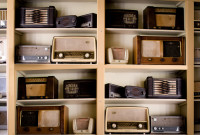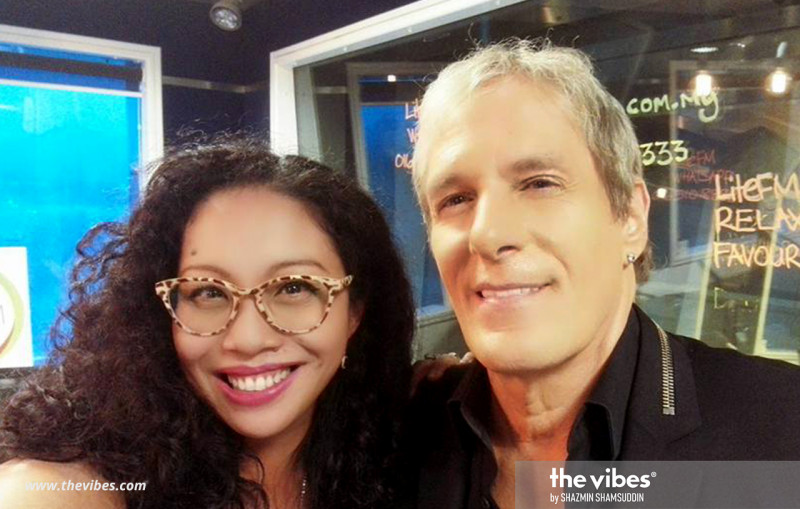

THE radio has been around for more than 110 years and has spread news and information to millions before the advent of television and the internet. This year’s theme for World Radio Day is ‘New World, New Radio’. It is a testament to the long-lasting influence and need for the medium and its capacity to adapt and evolve with the changing times. Evolution, innovation and connection are the three sub-themes this year. We see how radio, as we know it in Malaysia, has changed, from my perspective as a radio practitioner.
If you’re not aware of it, World Radio Day has been globally celebrated for the last 10 years on February 13, the day before Valentine’s Day. For the nostalgic, the radio may even be their first love. It certainly was mine.
If you are of my vintage and older, you would have grown up with the likes of Alan Zachariah, Constance Haslam, Patrick Teoh and Yasmin Yusoff on Radio Four on the weekends – and Casey Kasem, Shadow Stevens, Rick Dees and other syndicated chart show hosts on the national radio every night – like they were your true, loyal and sometimes only friend.
These were the days when RTM1 and 2, and TV3 would only begin their broadcasts around 4pm, leaving you with plenty of time to finish your homework, read some Smash Hits, and perhaps attend a mengaji class if your parents deemed it necessary for your spiritual instruction.
Having done all that, what else was there to do on quiet evenings when 'The A-Team', 'MacGyver' and 'Dynasty' were not on the telly, but to shut yourself in your room and listen to The Weekly Top 40 on your dual deck boombox, with empty cassettes on standby, to record those songs that you absolutely must listen to over and over again?
On these evenings, I listened intently, not just to the music and lyrics of my favourite and anticipated bands. I listened to how the presenters spoke and connected with the listener – their tone, style, diction and voice. I listened to what they were saying, and how they were saying it and how they were coming across to me, their listener – all the way from Los Angeles, New York, or wherever these shows were being recorded and broadcasted from. I loved how they delivered their stories and gave us the latest in music and entertainment news. I loved the production of these shows, the sound effects, the voice-overs, the music beds. I loved it all.
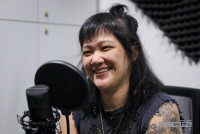
When I started my career in radio, it was 1997 and for Malaysia – the dawn of format radio, which gave birth to many private radio stations. I was fortunate to have started my career as a producer with Astro’s Talk Radio, before moving on as a weekend presenter, presenting what was possibly the very first regular book and author interview show on air. I went on to host the widely popular Mix Breakfast Show with my longest on-air partner, Richard Ng. Two studios away were the rollicking tag-team of Fly Guy and Lil Kev on Hitz FM. Remember them?
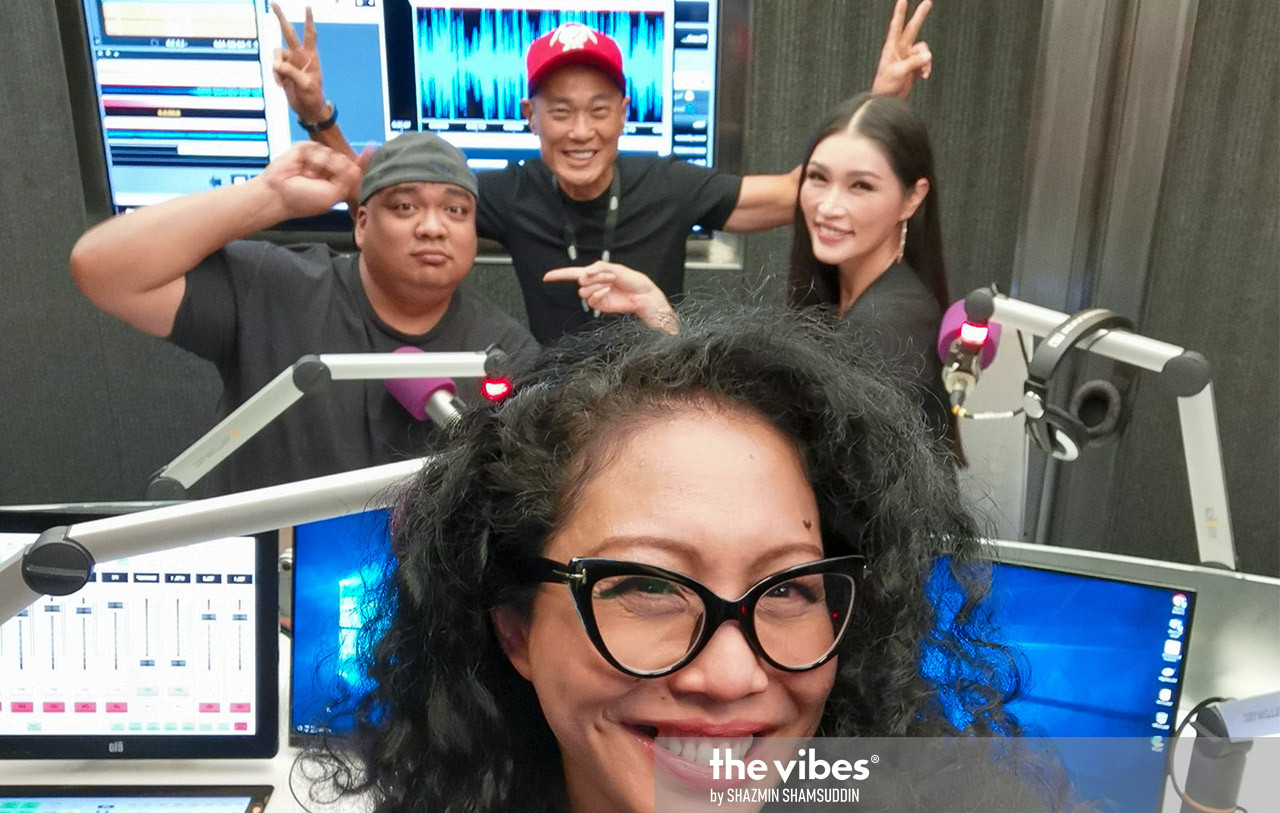
Just looking at how we evolved as presenters in the 1990s, we relied heavily on the guidance and mentorship of our radio consultants from Australia, as we were forging new paths in what was by then, a rather stale scene. In my memory, in those early days we depended not so much on the internet, but on subscribed prep sheets from overseas stations, our wits, and oh! – on the man who delivered the local newspapers to the office at 5 in the morning! We would crane our necks out of the big studio window to look out and see if his van was driving up to the building, if we weren’t already down by the front entrance, waiting for him with our coffee and Richard’s cigarettes (and one time, a tupperware of durian!).
When we got our hands on the newspapers, we’d skim through the pages for what was breaking news (remember, this was before smartphones), quirky news, and trending topics of interest that Malaysians were dying to talk about. Radio was fresh, exciting (especially if the newspaper man was late), and live.
I still have people reminding me of particular segments we did that either tickled them immensely (the Battle of the Sexes Naked Walk dare which Richard lost that got the Special Branch guys out to ‘observe’ our shenanigans), moved them (Richard’s sob story of having to use his mother’s kuih basket as a school bag), and stayed with them through the years. I believe the success of that partnership was a genuine friendship and mutual respect we developed through the decade we were on air together, and the fact that we were ourselves on air, and not putting up a ‘superjock’ persona that was almost a prerequisite in radio from the previous decade. We spoke like normal people.
Richard, being quite some years older than I was, was of that era and took a while to be comfortable just being himself – and he was funnier and more relatable for it. Ratings were phenomenal – it seemed that Malaysians just wanted to hear other Malaysians who sounded just like them, talking about things they could relate to as they were stuck in traffic every morning on the way to work.
When I joined BFM in 2009, I had the opportunity to level up and reinvent myself as a more serious presenter and producer. The internet of things was more than upon us, and linking everything you did on air to social media and digital broadcast was something everyone in radio had to adjust to. This was particularly awkward for me as I have always maintained that tweeting was like talking to yourself at a party. The same can be said of hosting a radio show solo – you as a host are essentially talking to yourself while imagining either millions tuning in or no one at all. To keep it real, I always imagined I was speaking to just one person, and that has kept things in perspective for me throughout my 23 years as a presenter. Is that person interested in what I have to say? Is this relatable? Is it informing? Is it interesting? And more currently, will this get the Likes?
Of digitisation, the systems used in our studios were evolving every year. As a determined Luddite, to evolve with the times, I just had to grit my teeth and learn how to use it. There were continuous workshops to train us for these high tech systems, and many on air blunders abounded as we all went along. Dead air sometimes even. I look back on that time, cringingly and with humour.
As a presenter and producer, as much as I wanted the focus to always be on quality on air programming, in 2009 and beyond the move to take our programmes online was the wave of the now. Where in 1997 you could swan in the studio barefaced and in your housecoat, now cameras caught every angle of you as you ran your show, interviewed your guests and surreptitiously ate in the studio. You were no longer anonymous. For some, it was a great opportunity for increased celebrity. For me, it was just awkward and distracting, when all I wanted was to focus on the radio side of things.
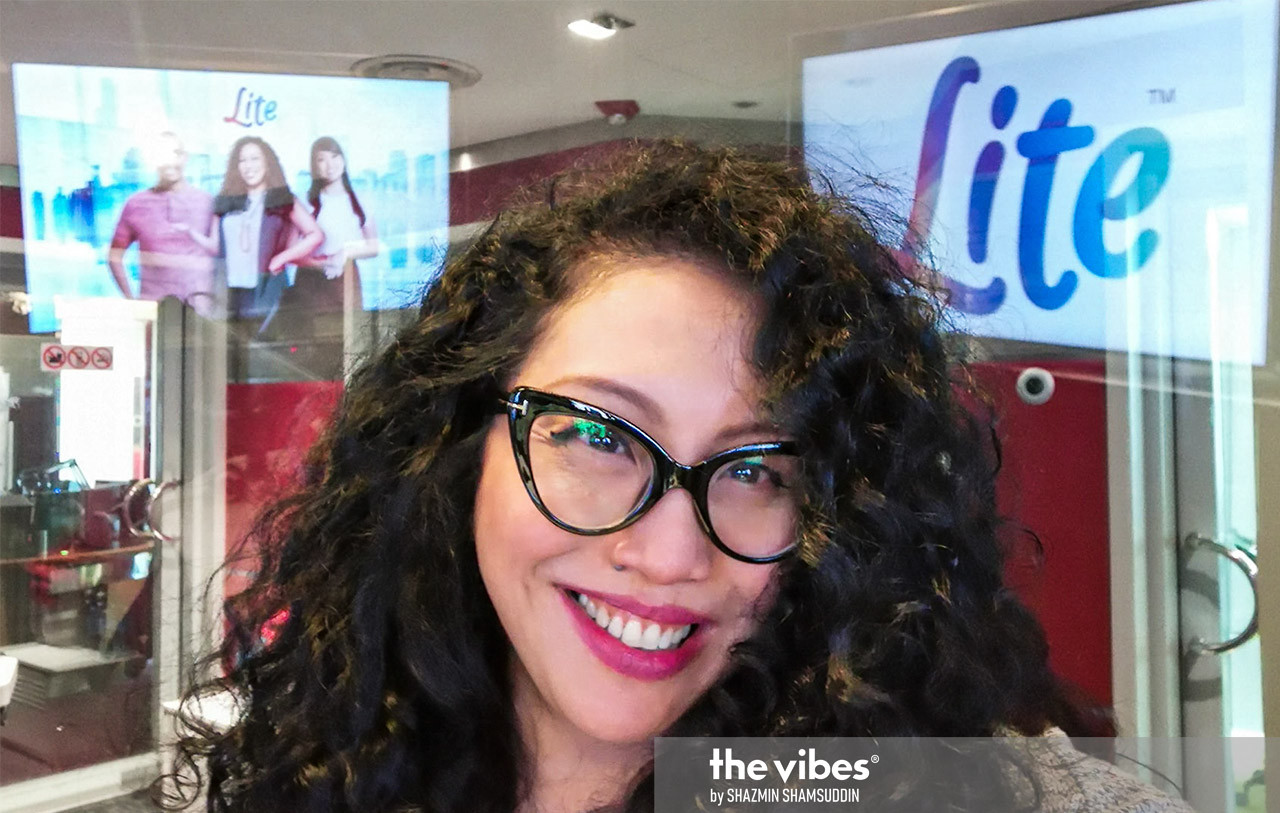
My last excursion back into format radio was my wonderful six years at Lite. By this point, I was well adjusted to the idea that everything we did, had to not just make an impact on real-time listener satisfaction and ratings, but numbers in the form of social media reach, viral videos, likes, and shares. Whilst most people listened to the radio in their car, we were moving into apps and using Facebook, Instagram and Twitter in new and varied ways. Segments that would prove more like visual story-telling went straight to video, with the presenters talking it up on air and leading eyeballs back to social media. This is radio today. How will it continue to evolve? It just will. – The Vibes, February 13, 2021