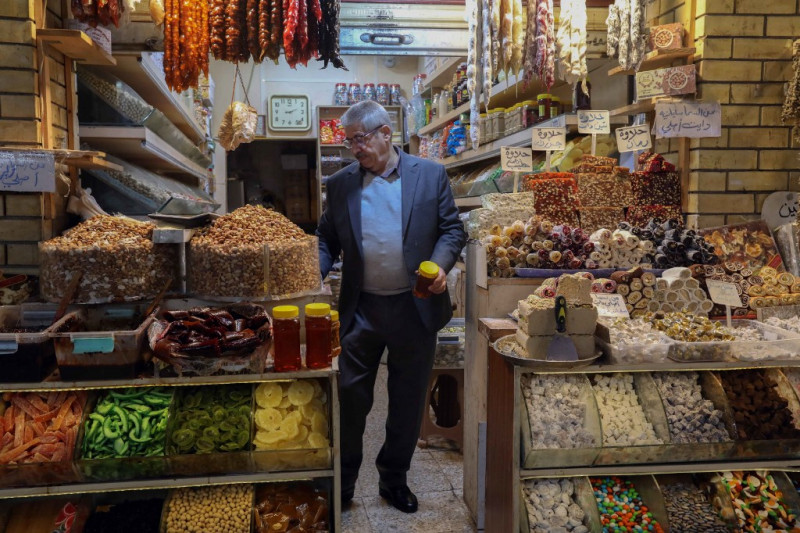
ARBIL – As the sun rises over Arbil's historic bazaar, shopkeepers sweep their stoops and eagerly await the "istiftah" – the first customer of the day, believed to be a good omen.
For a country as famously hospitable as Iraq, where lunch tables are often overflowing with platters of meat as big as truck tyres, the custom of "istiftah", which means "opener", is subtle but sweet.
The first customer of the day gets to name his or her price for the goods or service being purchased, without the usual process of haggling and compromise that is quintessential to street markets.
"The first customer is exceptional," said Hidayet Sheikhani, 39. "He's carrying wealth and well-being straight from God to the businessperson in the early morning."
Sheikhani sells traditional black-and-white embroidered scarves and hats in the bazaar in the bustling centre of Arbil, the Kurdistan region's capital.
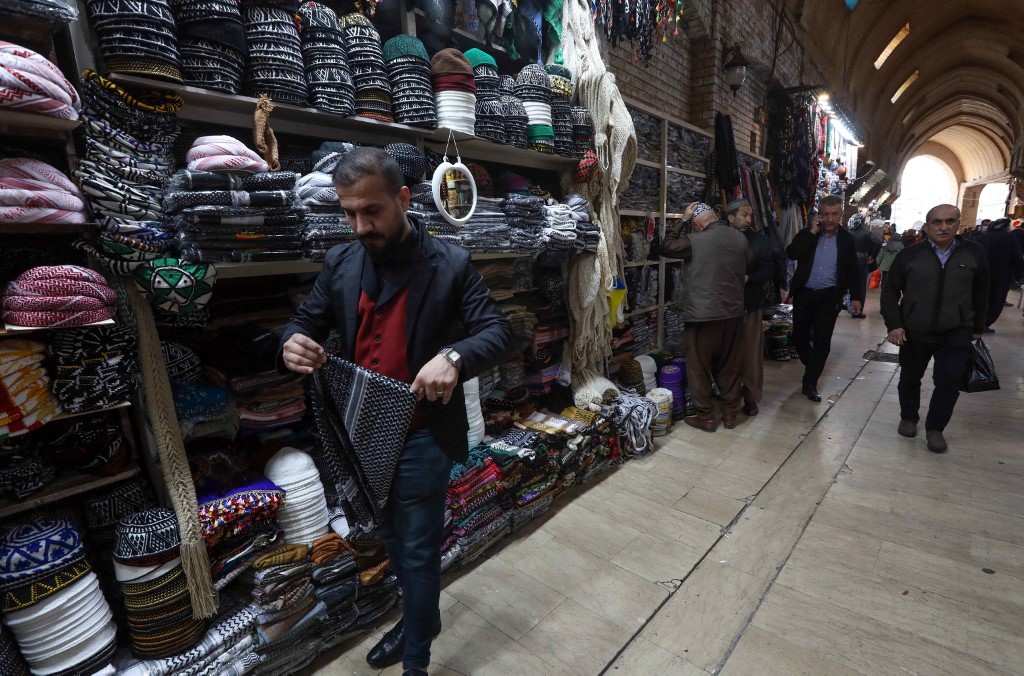
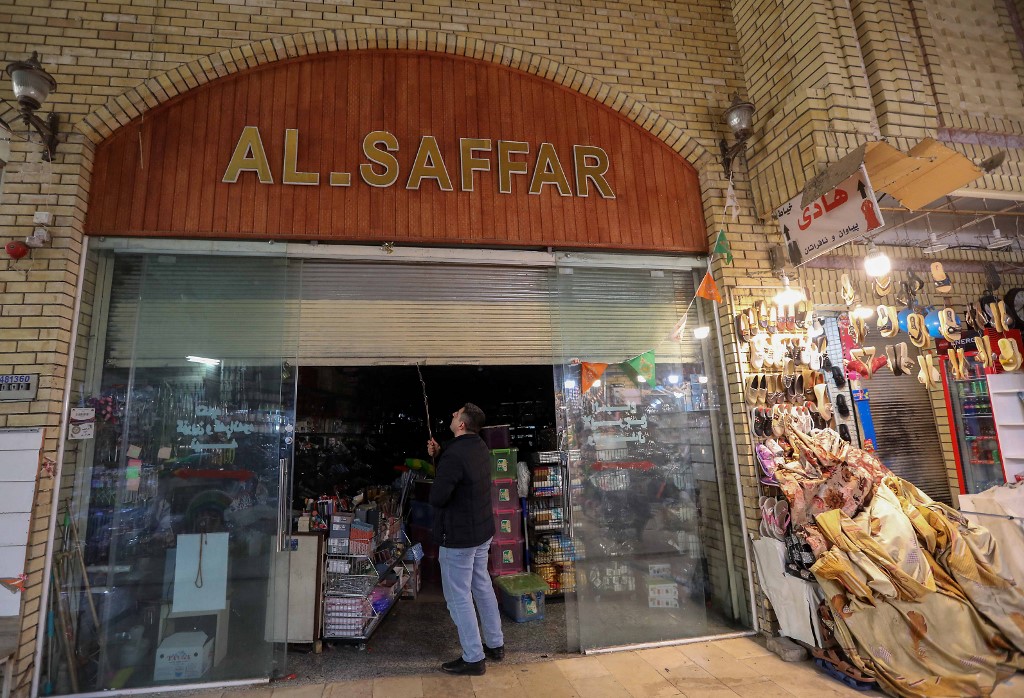
Shopkeepers arrive in the bazaar's brick alleyways around dawn, roll up the metal shutters of their shops and pour an obligatory glass of sweet tea to start their day.
It's a tradition as old as time – not only in Iraq, but all across the Middle East.
Sheikhani inherited it from his grandfather, who had a shop in the same marketplace a century ago.
At the time, he said, the "istiftah" tradition set the tone for the rest of the day.
Shopkeepers who had not yet sold anything would put a chair outside their shop, as a signal to their colleagues.
Those who had made their first sale would direct any incoming shoppers to the other shops, until everyone had had their "istiftah".
Only then would they accept a second customer.
That went for both Muslim and Jewish shopkeepers, said Sheikhani, as Arbil was home to a thriving Jewish community until the mid-20th century.
'God will make it up to me'
The origin of the "istiftah" tradition remains disputed.
Some say it hails from the Hadith, a record of the words and actions attributed to the Prophet Muhammad, in which he pleads to God, "Oh Allah, bless my people in their early mornings".
But Abbas Ali, a lecturer at the College of Islamic Studies in Iraq's Salahaddin University, said the custom's prevalence among other faiths indicates it may not be related to Islam at all.
"It's possible it was merely an ancient custom that was practised for a long time – and good traditions often become religious rituals," Ali said.
Either way, it lives on, even among young businessmen.
Jamaluddin Abdelhamid, a 24-year-old with a wispy goatee, sells roasted nuts, sweets and spices in the bazaar.
"Often, a customer requests honey because they're sick. It usually costs 14,000 Iraqi dinars (less than RM40) per jar, but they ask for it at 10,000 and I agree because it's the 'istiftah'," he said.
"I know God will make it up to me somewhere else in my day," said Abdelhamid.
Rejecting a first customer's request – no matter how steep the discount is – leaves him guilt-ridden.
"I spend the whole day feeling sad, asking myself how I could have rejected God's blessing," Abdelhamid said.
Tradition under threat?
It goes beyond the old bazaar: even taxi drivers, plumbers and mechanics have adopted it.
"Whatever cash I earn first in a day, I kiss it and raise it to my forehead as a sign of gratitude to God," said Maher Salim, a 46-year-old car mechanic in Arbil.
But an "istiftah" never goes for free.
First customers often offer a very discounted price for their early-morning purchase, but it's frowned upon to request something at no cost at all.
"Even if it's my brother, I'll take something symbolic from him – even just 1,000 Iraqi dinars," Salim said.
There's one creeping threat to the beautiful balance of the "istiftah": shopping malls.
As Arbil has developed over the last decade, large malls have cropped up across the city, offering convenient and speedy shopping experiences to its residents.
Mohammad Khalil still buys his groceries – bread, yoghurt, cheese and vegetables – every morning from small shops near his home, showering the shopkeepers with prayers for blessings and good health as he walks out.
Interactions at malls, he complained, are comparatively cold.
"There's no sense of istiftah there – everything is about the computer system," Khalil told AFP.
"Most of the time, the people who work in the mall shops aren't the actual owners, so they don't even care about the tradition." – AFP, February 16, 2021