
THERE'S an increasing trend of people choosing to give up eating meat and adopting a more vegetarian diet. I see this especially with many young adult clients of mine, with reasons ranging from feelings of compassion toward cruelty to animals, being kinder to the environment, personal health benefits to religious convictions.
Studies show many positive health benefits in people who eat a vegetarian diet. As part of a healthy lifestyle, people who follow a vegetarian diet tend to have a lower incidence of obesity, cardiovascular disease, diabetes, cancers, high blood pressure, kidney disease, gallstones, rheumatoid arthritis, to name a few. The nutritional plus points of plant-rich vegetarian meals are generally higher in dietary fiber, magnesium, folic acid, Vitamin C, E, and antioxidants and low in saturated fat.
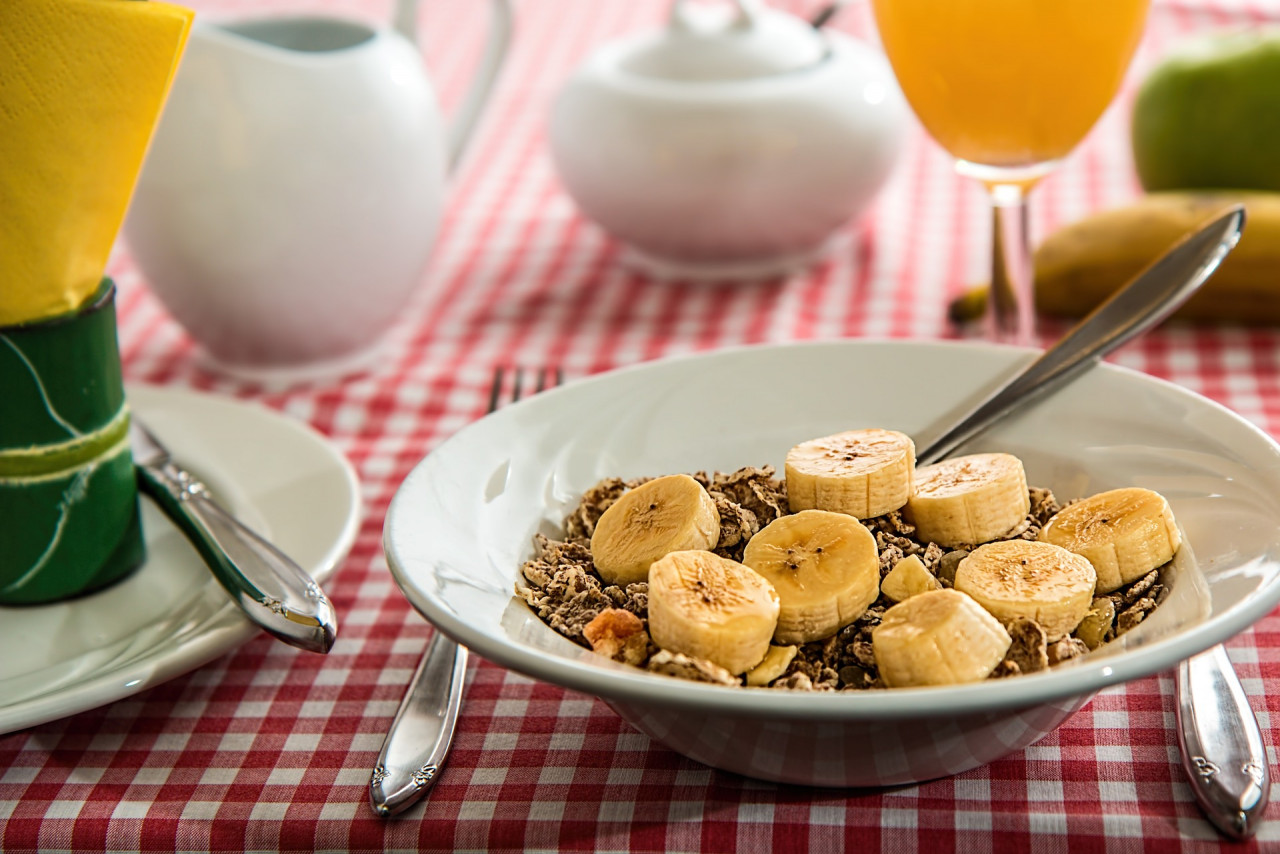
Did you know that there are many varying degrees of vegetarianism? Some would only eat plant-based foods. Others might consume some eggs or fish. If you’ve ever wondered what the proper terminology is, here is what it is:
Vegan: totally excludes all meat, poultry, fish, eggs, and dairy products
Lacto-ovo vegetarian: allows eggs and dairy products
Pescatarian: allows only fish, but does not eat other meats, dairy, eggs or poultry
Ovo-vegetarian: excludes all meat, dairy, poultry and fish but will eat eggs
Lacto-vegetarian: won’t eat all meats and eggs, but will have dairy products
Pollotorian: will allow only poultry as the only meat in their diet. All others like red meat, eggs, fish and dairy are not allowed
Flexitarian: this terminology now exist to describe a person who eats mainly plant-based meals but will occasionally have a little meat, fish, dairy and eggs
Something to be mindful of if you are vegetarian, is that you’re essentially cutting out all animal meats, which is a major food group. This food group is notably rich in protein, essential fats (fats that your body cannot make on its own so you must get it from your diet), iron, zinc and Vitamin B12. If you cut out eggs and dairy products, you’ll be missing even more nutrients they are rich in such as calcium, biotin, and more.
So to make sure you do not miss out on vital vitamins and minerals, do pay particular attention to these nutrients in your meals:
Protein
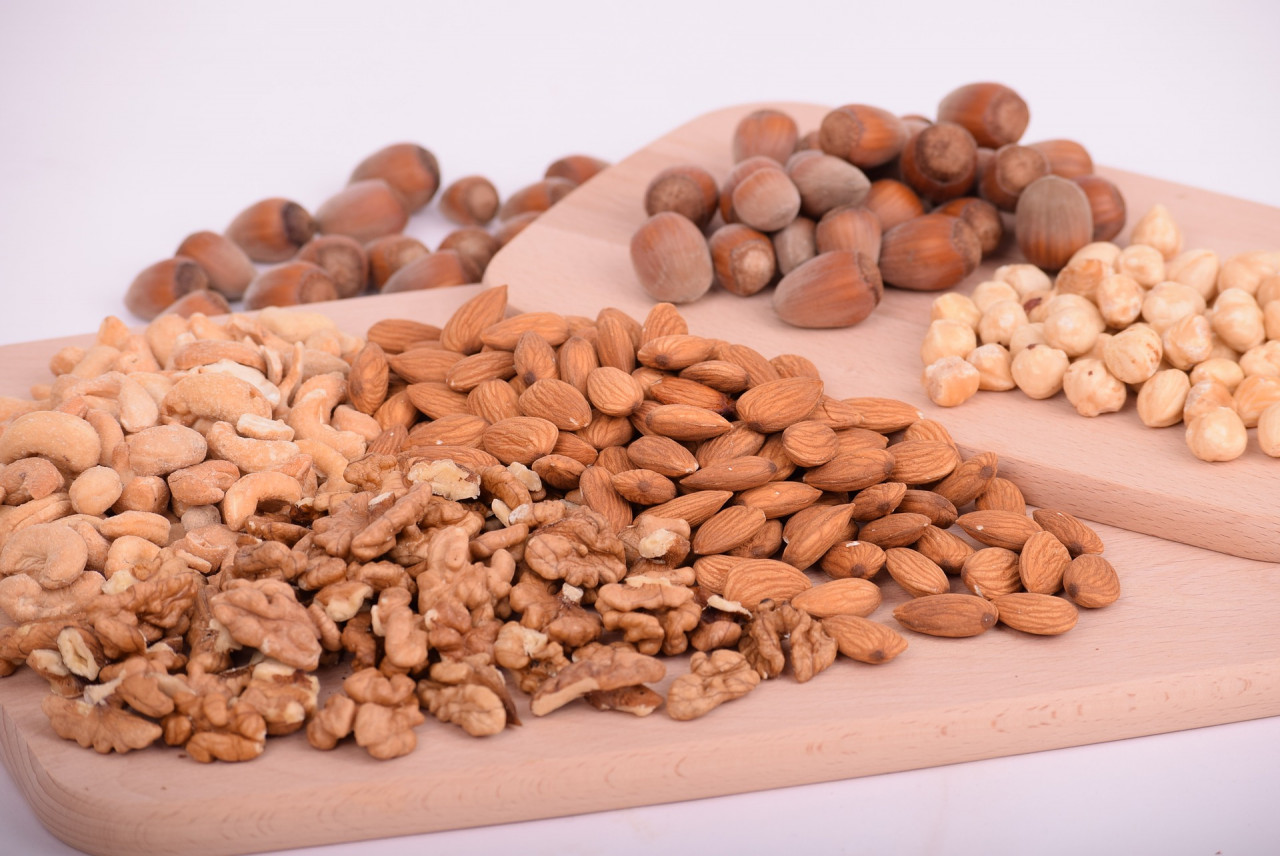
Proteins main function is to maintain our muscle, bones, cells, organs and skin. Plant foods that are rich in protein include beans, legumes, lentils, nuts, peas, tempeh, seeds and wholegrain. For those of you who eat eggs, and/or fish plus dairy products, getting enough protein is not usually a problem.
Iron & Zinc
These minerals play an important role in the production of red blood cells and whether you get sufficient iron. Zinc is also part of many enzymes plus the forming of protein in your body. Anemia, brittle nails and hair loss can be a side effect of a deficiency in these nutrients. Iron and zinc rich foods include all kinds of beans, lentils, peas, whole grains, dried fruit, dark leafy vegetables, soya products and wheat germ. Do remember that Vitamin C helps your body to absorb iron better. So, make it a practice to have Vitamin C rich foods such as vegetables or citrus fruit together with your meals.
Vitamin B12

This vitamin is found mainly in animal meats. You can get some from enriched wholegrain cereals and soya products. But, if you are a strict vegan, where you do not take even dairy and eggs, then it can be challenging to ensure you get enough Vitamin B12. A deficiency in Vitamin B12 is not obvious. You may not see any symptoms of deficiency early on until it is advanced. Knowing what you know, it would not be a bad idea for you to take a general multi vitamin supplement that has all the vitamins and minerals to ensure you avoid a deficiency of Vitamin B12. Speak to your pharmacist to find a suitable supplement should you require it.
Calcium and Vitamin D
These nutrients are key in maintaining strong bones and teeth. Food sources rich in these nutrients are milk, dairy and dark leafy vegetables. You can also look for calcium and Vitamin D fortified foods, such as wholegrain cereal, enriched bread, fortified orange juice and soy-based products.
For all the positive health benefits of eating vegetarian, researchers point out that poor meal planning is one of the main cause for dietary deficiency. I observe this too in my practice.
Vegetarians are not immune to juggling busy, hectic lifestyles where they too end up making do with eating convenient meals that are not nutritionally balanced.
A client of mine would have a large French fries and a large carbonated soda from her fast food restaurant for lunch because it was most quick and convenient to have near her office. Some days it would just be an instant noodle cup eaten in the office.
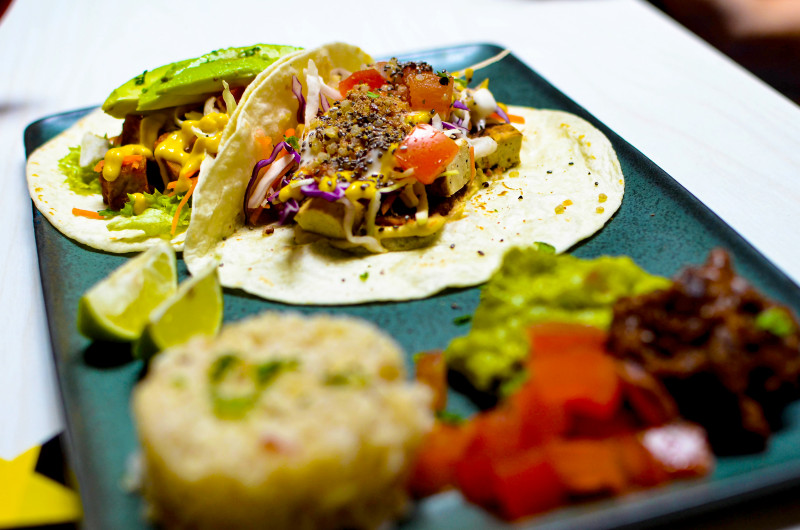
What you need to do is plan for your meals better. Here are some pointers:
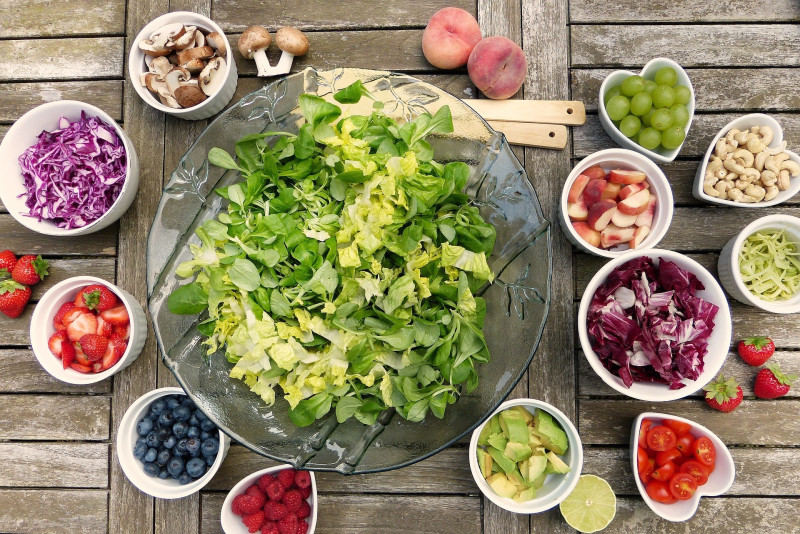
- Being vegetarian shares the same basic principles of healthy eating if you don’t want to run the risk of missing out on important key nutrients. Balance out your meal by making sure you plate has portions of vegetables, grains and a protein source.
- Look for new places to eat or to order from, if your usual eateries are starting to get predictable and you are getting bored with the same vegetarian meals.
- Embrace diversity in the various types of cuisine we have in Malaysia – such as Malay, Indian, Chinese, Western, etc so that you have all kinds of vegetarian meals. The wider your variety of foods, the more likely you will get to meet your nutritional requirements.
- Learn to cook simple meals, so you are more in control to whip up vegetarian dishes you will like. Cook an extra portion to keep in the refrigerator, so you can have left over to have for a quick meal.
- Deep fried or oily vegetarian dishes are high in calorie and excess fat. Opt for healthier cooking methods for your daily meals, such as braised, lightly panfried, steamed or cooked in a broth.
- Do pay a visit to a dietitian who can help you plan out your meals better, based on your lifestyle and your abilities. – The Vibes, March 22, 2021