
WHAT defines happiness?
While it may not be clear cut, discussions usually centre on how one can receive the best of opportunities within the means of the circumstances at play.
The Sustainable Development Solutions Network, which includes a group of independent experts, releases its World Happiness Report annually.
Kickstarted after the United Nations High-Level Meeting on ‘Well-Being and Happiness: Defining a New Economic Paradigm’ on April 2, 2012, the first report was prepared in support of the meeting and to review evidence from the emerging science of happiness.
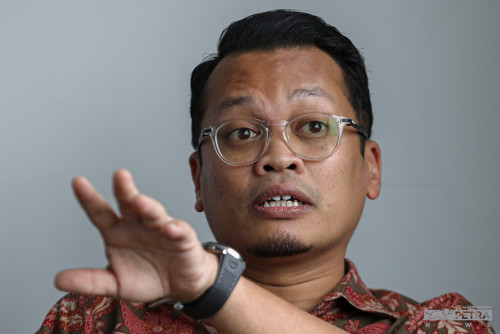
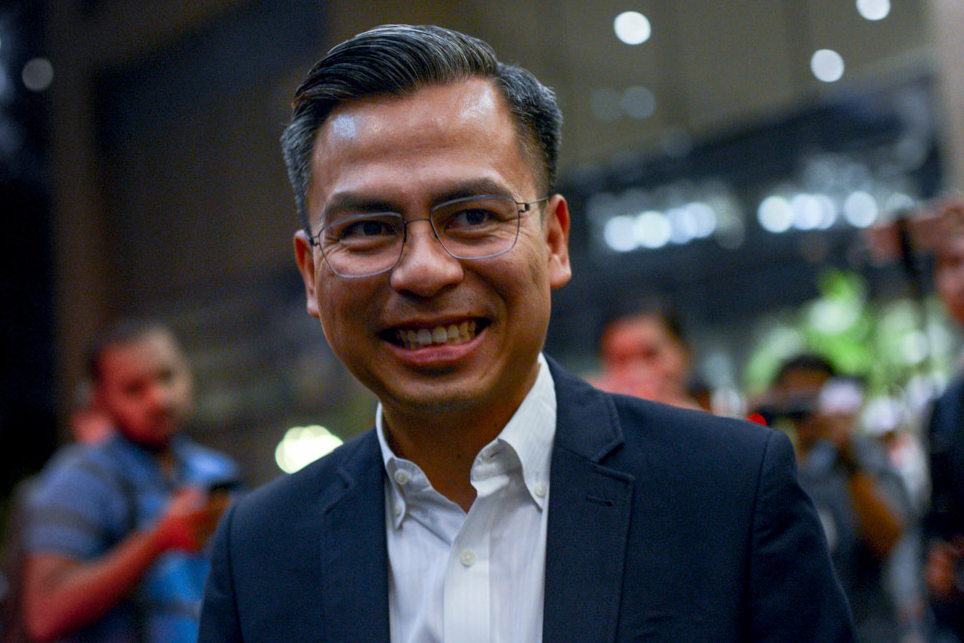
Taking from the themes of the 2020 and 2021 (still being actively collected) reports, which were predominantly on subjective well-being (how it is defined by social, urban and natural environments) as well as effects of Covid-19 on the structure and quality of people’s lives, Lembah Pantai MP Fahmi Fadzil shares his thoughts with The Vibes.
Modern society and mental health
“No doubt that during these trying times, a lot of people in the country are under pressure and they need a lot of help. But, I still do not see enough support for people who are suffering the economic fallout from the pandemic,” said Fahmi over a phone interview.
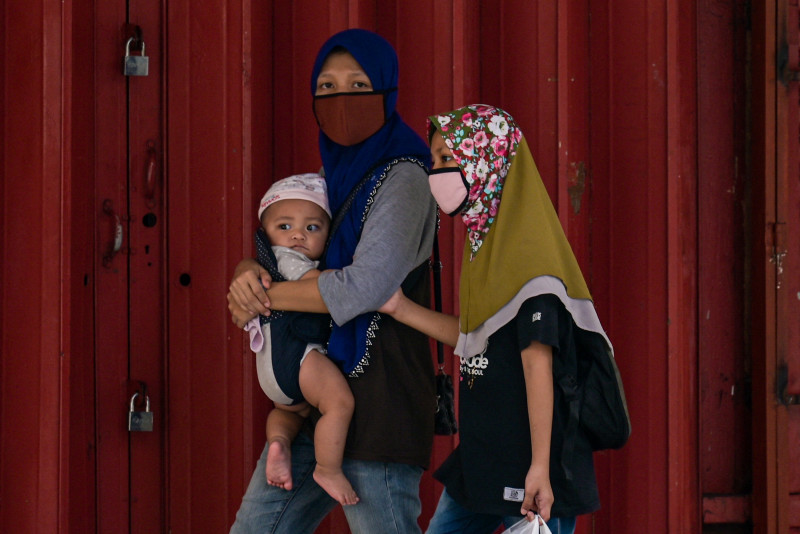
“What I mean by this is when people lose economic stability – be it income security (jobs), ease of mobility (cars) or safety (homes) – support mainly comes in the form of comfort by seeing other people experiencing similar situations.
He noted existing messaging is skewed specifically towards how individuals affected by economic challenges manage to pivot and find a new calling to ensure happiness. While this establishes a sense of relatability, it does not address the issue at hand.
“First, we need to find meaning for ourselves with regards to the question – Is it economic success that grants us happiness? If that is so, what are the efforts done to reach equilibrium to guarantee it,” said the MP.
Observing the UN's International Day of Happiness, Fahmi believes, is a great opportunity to widen the discussion on mental health.
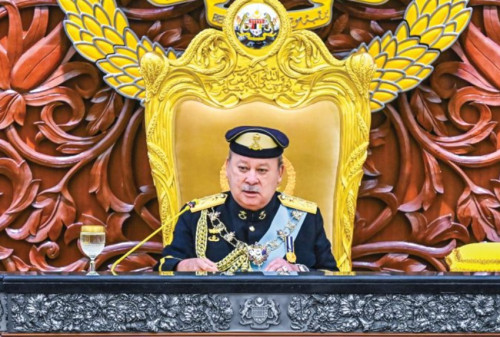
“Appointing Tengku Iman (the eldest daughter of our Yang di-Pertuan Agong Al-Sultan Abdullah Ri’ayatuddin Al-Mustafa Billah Shah) as the ambassador for the [mental health] campaign last year was a good move. This sort of role gives more focus to the subject matter for us to not be ashamed of it.
“That said, true advocacy can’t happen without clear reforms. The Mental Health Act has not been updated since its introduction back in 2001. That means it has not been updated for the last 20 years.
“The original act seems to weigh more on asset ownership aka ‘money trusts’ so to speak, but mental health affects everybody. Approaches, ideas and perspective on the issue has changed. With the 'new normal' times, we cannot talk about happiness without referencing mental health,” stressed the lawmaker.
Fahmi added that discussions to raise awareness on mental health should not be limited to being in English – “just because the words, terms and definition are available in the language.
“It is not so much happening for communities speaking other languages (Malay, Tamil etc). Hence, it is also about getting the discussion in non-English speaking media(s).
Covid-19 prevalence and well-being
“In these new normal times, people are happiest when the most immediate basic need involving practical issues are dealt with efficiently.
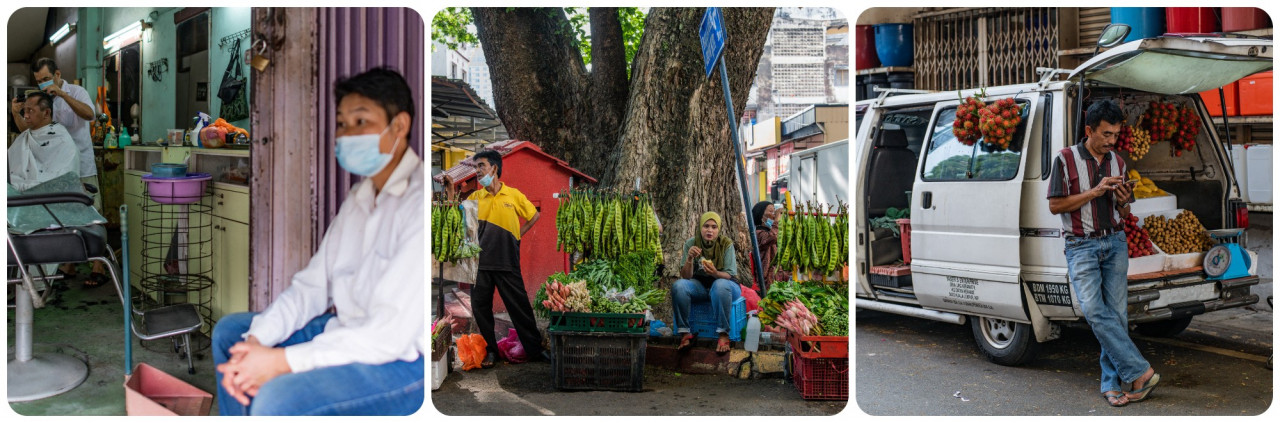
“In my opinion, the Wage Subsidy Programme (WSP) should be increased, but there was no mention of this in the latest stimulus package (Pemerkasa) and it is a big mistake.
“I do not see how the government is using the emergency to seriously look at the people’s welfare yet.
“A major concern that is making people unhappy is inflation. As we approach Ramadan, the public is concerned about the price of consumer goods because it appears to be less controlled than before,” said the MP.
Fahmi further emphasised how the pandemic has forced many businesses to change the way they run. While profits remain a priority, businesses are now greatly focused on efficiency to increase productivity whether it be via automation or leveraging the gig economy.
“The key is in the overall approach where we need to balance between retaining or creating more jobs, making sure businesses are given a helping hand, via tax exemptions or grants to innovate more,” he said.
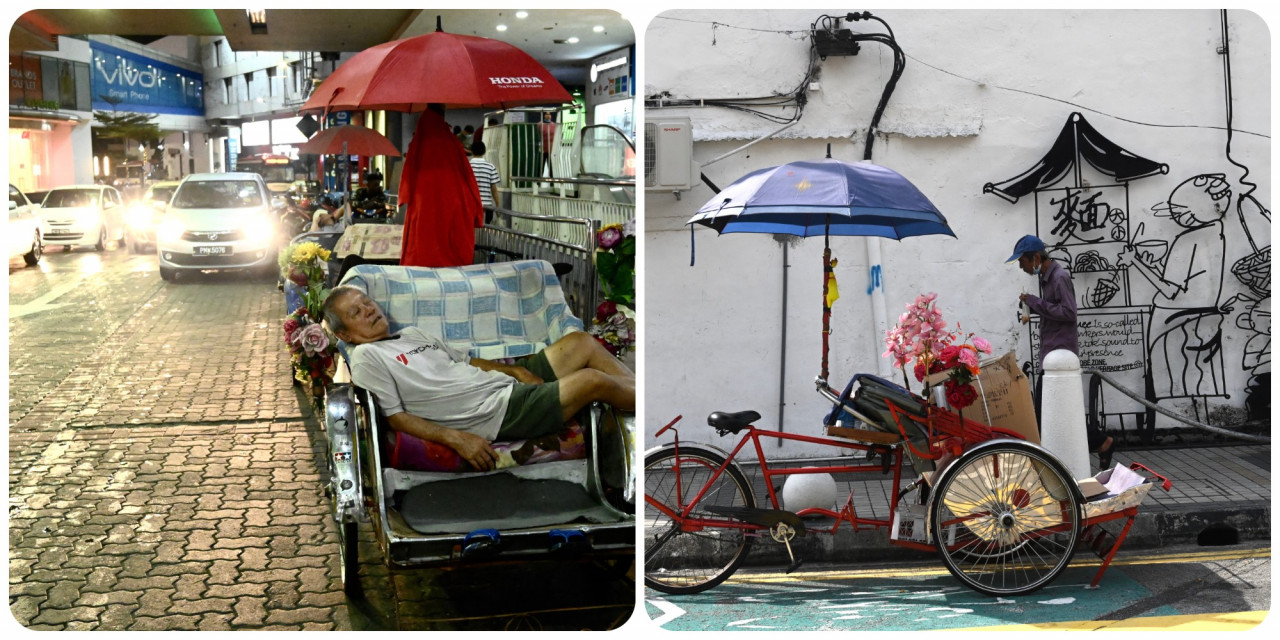
Can our cities bring about happiness for the people in them?
For an economic centre like Kuala Lumpur, an important factor that the lawmaker considers with regards to the present discussion (quality of life) is how can those living and working navigate through the city with ease.
The problem of being stuck in traffic jams travelling interstate or just the long commute back home between districts in private vehicles is noted to be a major pain point pre-covid.
“One of the good moves (in managing the urban setting) done by Kuala Lumpur City Hall (DBKL) is closing off certain areas away from traffic. An example being Medan pasar to encourage people to walk a bit more.
“The car-free Sunday that took place before the pandemic was also quite popular and city dwellers enjoy themselves more in that state.
“So it’s clear that happiness can be granted with better connectivity, which is what the Kuala Lumpur Structure Plan 2040 is aiming at,” Fahmi said.
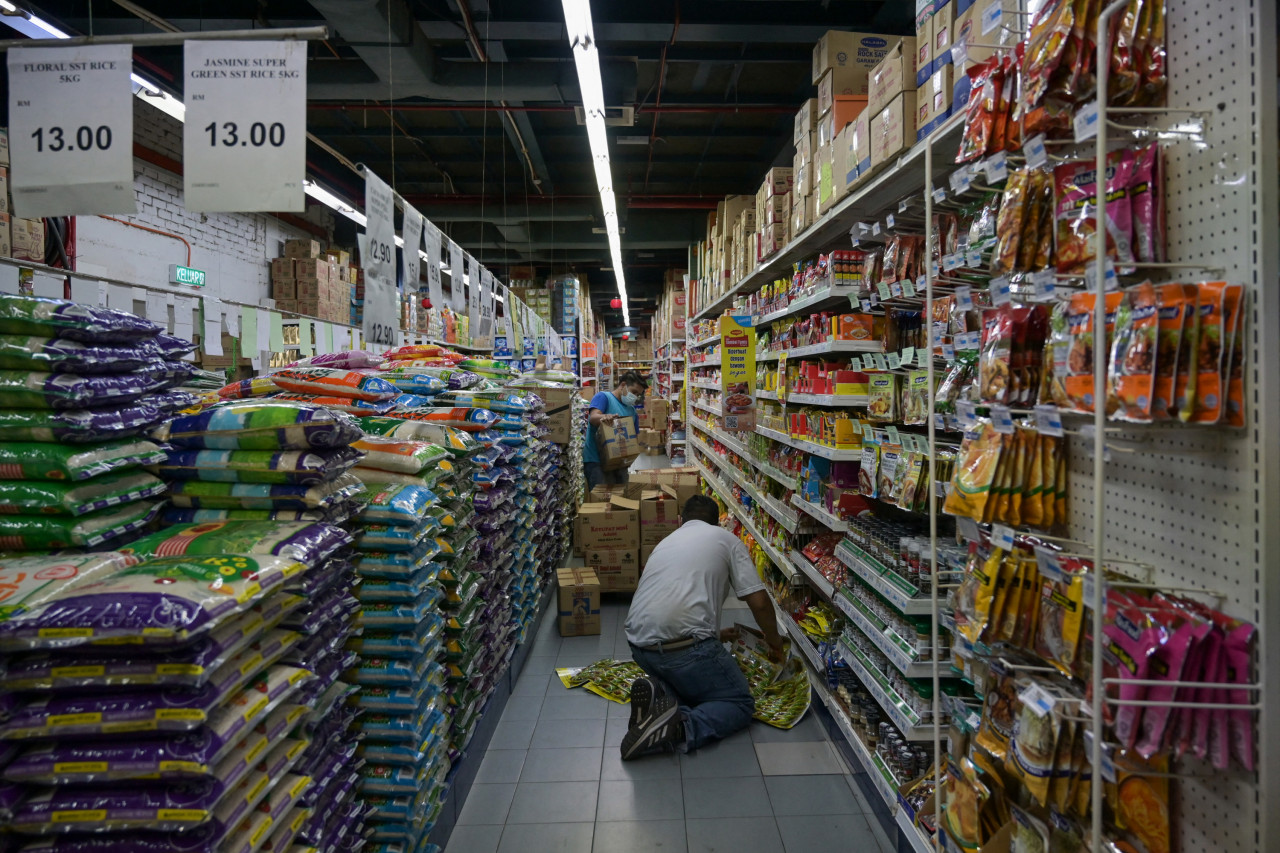
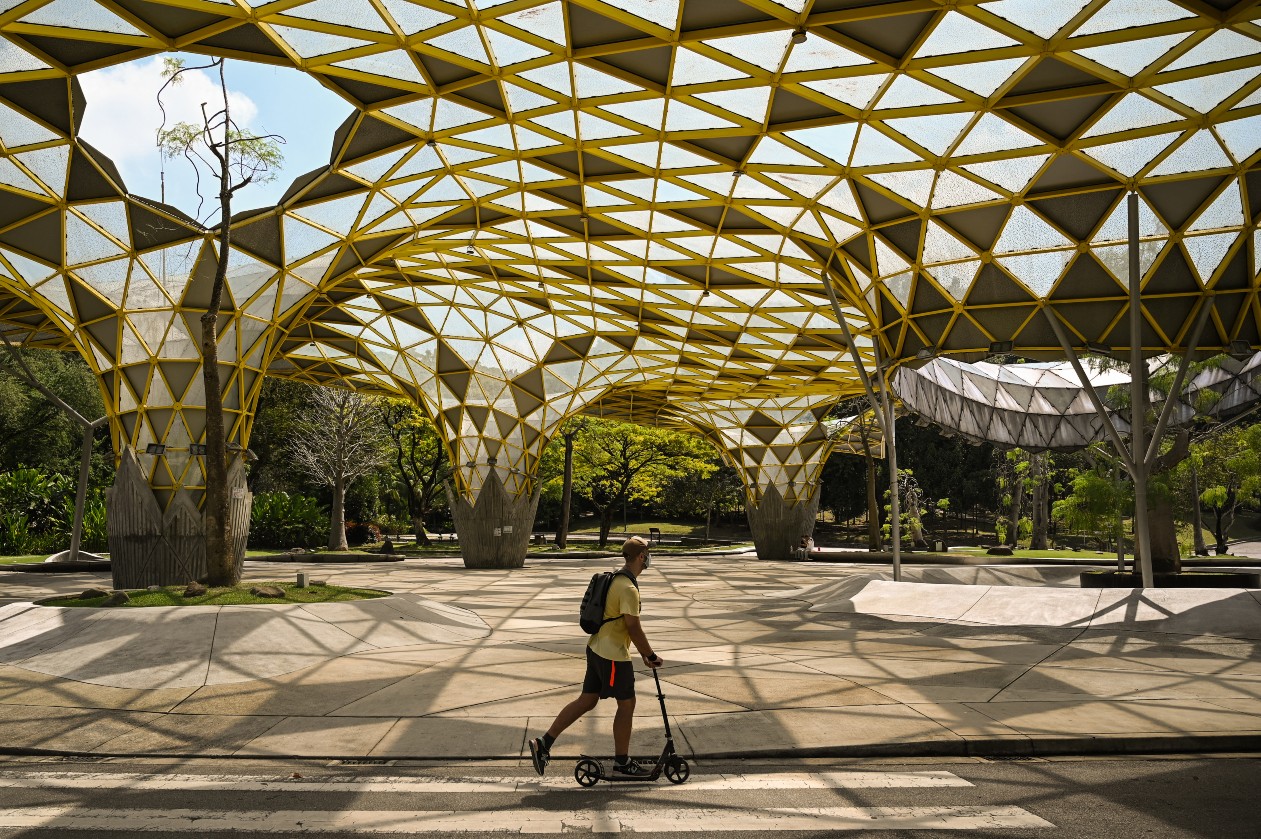
He added: “At least where mobility within the city is concerned, bodies such as the DBKL is aware of the situation.
“But, it is hard for them to resolve if there are no accompanying policy changes to flip the situation around.
“For instance, the number of buses we have in KL city (which are not under the management of DBKL) will need to be doubled to increase public transport accessibility. This was at least my assessment of the situation around two to three years ago.
“If you look at other forms of public transport, such as KTM, it is being weighed down by the inefficiency of the Klang Valley double-tracking projects. Largely because we are stuck in the process, which causes various delays,” he added.
Ultimately, those digging deeply into how the social, urban and natural environments combined affect happiness must first come into an agreement. Only then we can move forward properly and sustain our society’s well-being. – The Vibes, March 20, 2021