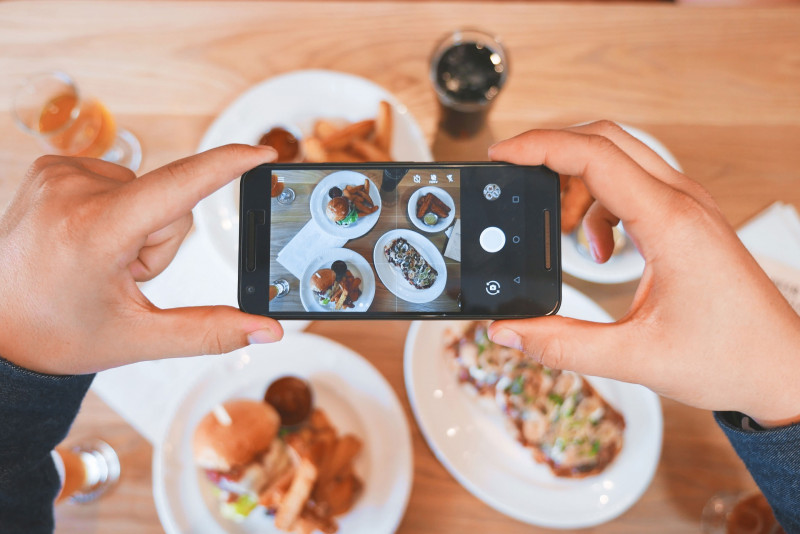

IT’S downright mind-boggling the amount of content on social media by influencers nowadays. There are all kinds of things someone will share with you like you are their best friend in the world. Nutrition, health and wellness are just but one area that has its fair share of influencers and celebrity endorsers.
The videos that many of my clients tell me they watch are what celebrities and popular social media influencers eat – in particular, those videos that give them a glimpse into their daily food consumption.
So I went online and looked them up and such popular videos usually have catchy titles like “What I Eat in A Day or Week”. They are massively popular on platforms like TikTok and Instagram.
At a glance, these videos may seem motivating and helpful, especially if you admire the look and lifestyle of the celebrity or influencer you follow. But, I would rather you view these types of videos with your “caution radar” ON. Here’s what I’d like you to think about:
Read between the lines
Something to truly understand is that there is a difference between an influencer’s opinion and proper professional advice. Health professionals who are licensed to practice have ethical boundaries on what they can and can’t say so that they cannot mislead people with the information they provide.
Now when it comes to celebrities and influencers, they can pretty much say anything to the public, as they are not bound by professional ethical guidelines.
As an example, there’s nothing to stop a celebrity or influencer to be able to say they lost tonnes of weight by drinking only lemon and cayenne pepper water to replace a meal. Essentially, you have to be able to pick up whether that is healthy or not. Easier said than done, right? This leads me to my next point….
Blind faith
Lack of in-depth knowledge is usually the cause of misguided information by celebrities and influencers. Even though it is their personal opinion, but to an impressionable young child, teen or even a naïve adult watching, they may take the celebrity or influencers’ word for gospel.
Throw in the fact that they so admire the celebrities or influencers, they would be sold on whatever they do or say. So the next time you need some perspective, just think of this analogy that I feel is so apt – would you learn how to fly a plane from a person who has experience logging in millions of miles as a “pilot” or as a “passenger” only?
Comparison traps
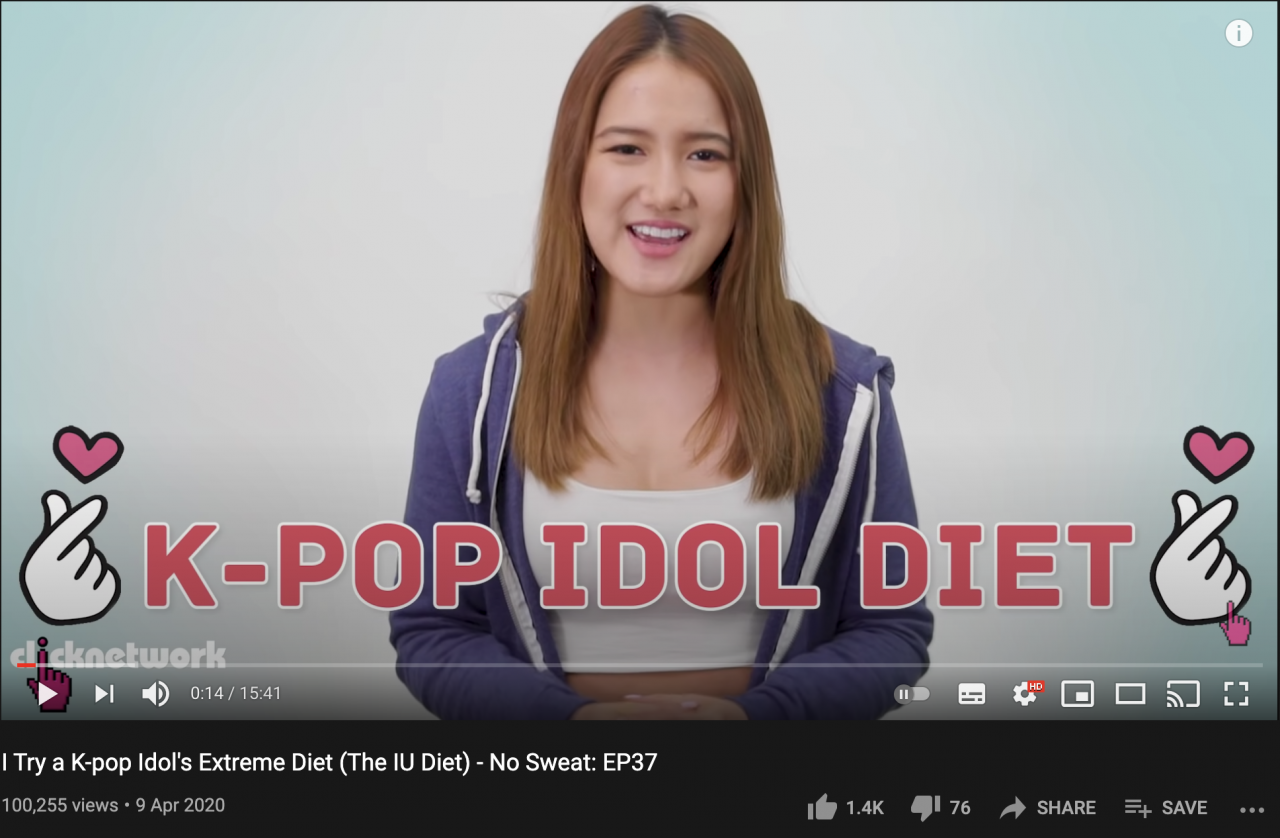
My client the other day was a teenage girl who is obsessed with wanting to look like her favourite K-Pop star and other young influencers that she frequently follows.
Hence, she has been only eating what her idols share in their food diary videos. Now she refuses to eat family meals, and this is worrying her parents.
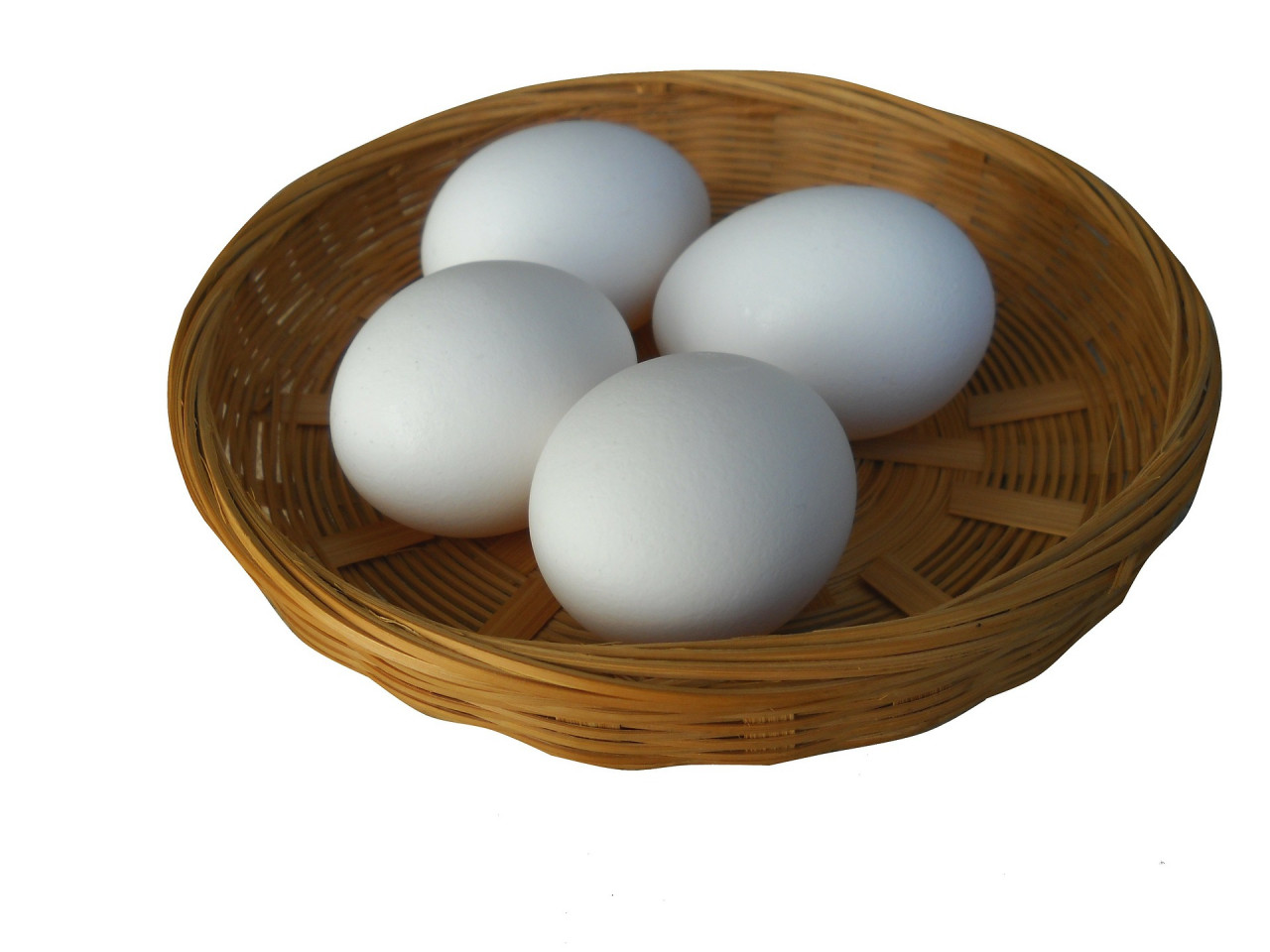
It’s not only the girls, mind you. Even boys and adult men are taken with ripped, macho physiques of their social media idols. I had a male client once who would eat 10 hard-boiled eggs or only plain, steamed chicken breasts as a meal because that was what the influencer he followed on social media was doing!
It’s hard not to make that comparison of yourself to the body shape and size of the influencer when you watch too many of these videos. At a subliminal level, your brain registers that you should be eating that to look like them. What you see may not always be the real deal.
The truth is there is no one specific diet that works for everyone to meet a health goal. You don’t have to eat Korean food to look like a K-pop star, or only ridiculous amounts of protein to get ripped.
How we eat has a lot to do with our age, energy level, individual taste preference, food availability and affordability. Plus, foods should not be demonised as good or bad. All foods, regardless, are a source of nutrients for our bodies. We do need a variety of foods to best get complete nutrition for our long-term health.
So, what can you do?
Instead of just watching an influencer’s food diary, why not use social media positively to search up simple, healthy recipes that you can try?
Cooking your own food is very empowering, especially if you’re constantly feeling trapped like there’s no choice for anything healthy to eat. As an example, you can start with something easy, like looking up #healthybreakfastrecipes or #easyhealthyrecipes.
You can also get lots of general nutrition tips by searching up dieticians’ social media accounts. But if you have more dietary needs and you need more expert guidance, then do go see a dietitian who can help you specifically.
If food videos of influencers are causing you to have feelings of envy and distress, unfollow them immediately. Get help from a psychologist to better understand your feelings.
If you’re a parent, do have conversations with your children about these types of videos so that it does not warp their sense of how they view their body image. You should and will always be their greatest influence. – The Vibes, March 29, 2021
Indra Balaratnam is a consultant dietician