MALAYSIA is a nation rich in cultural history. And with it, comes the many celebrations that make the nation unique as we move into a more globalised era.
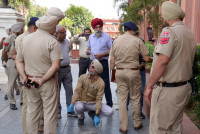
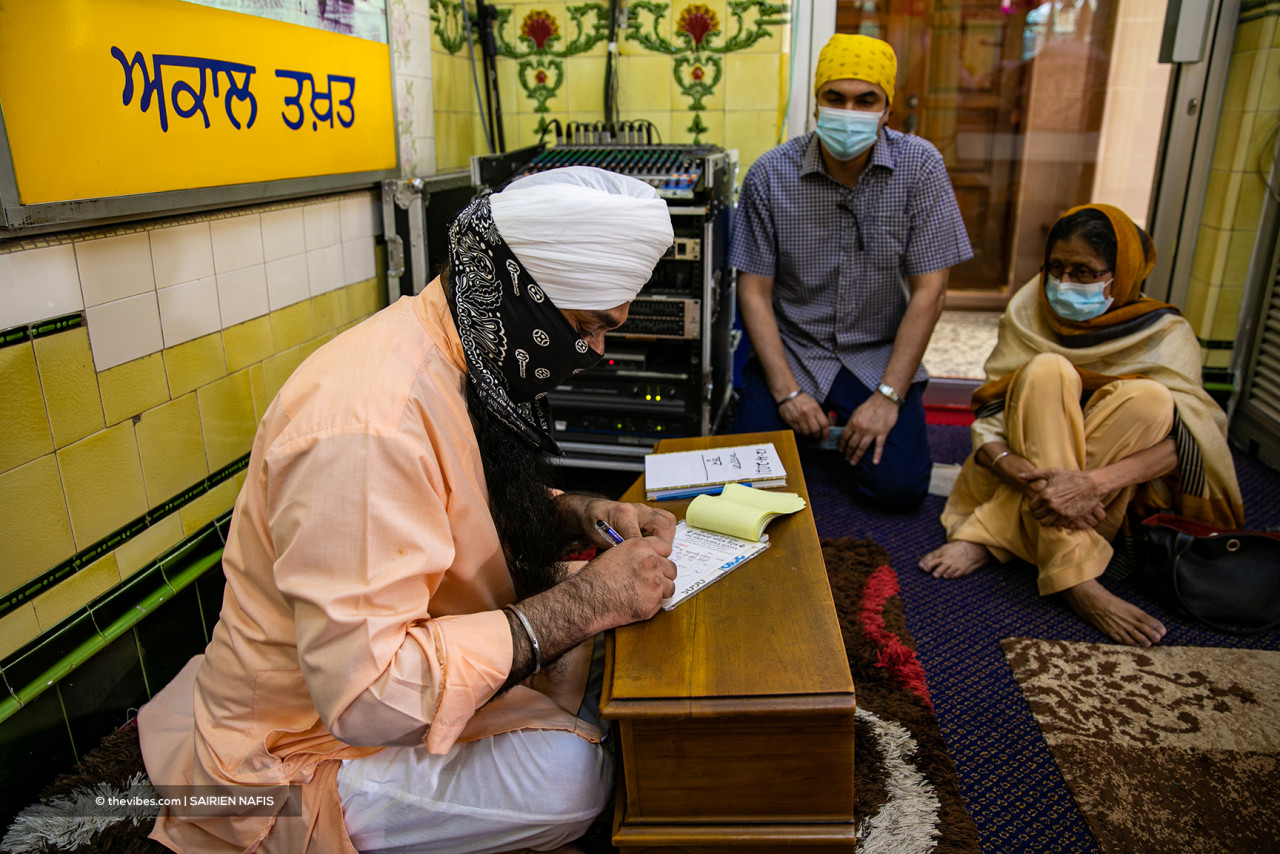
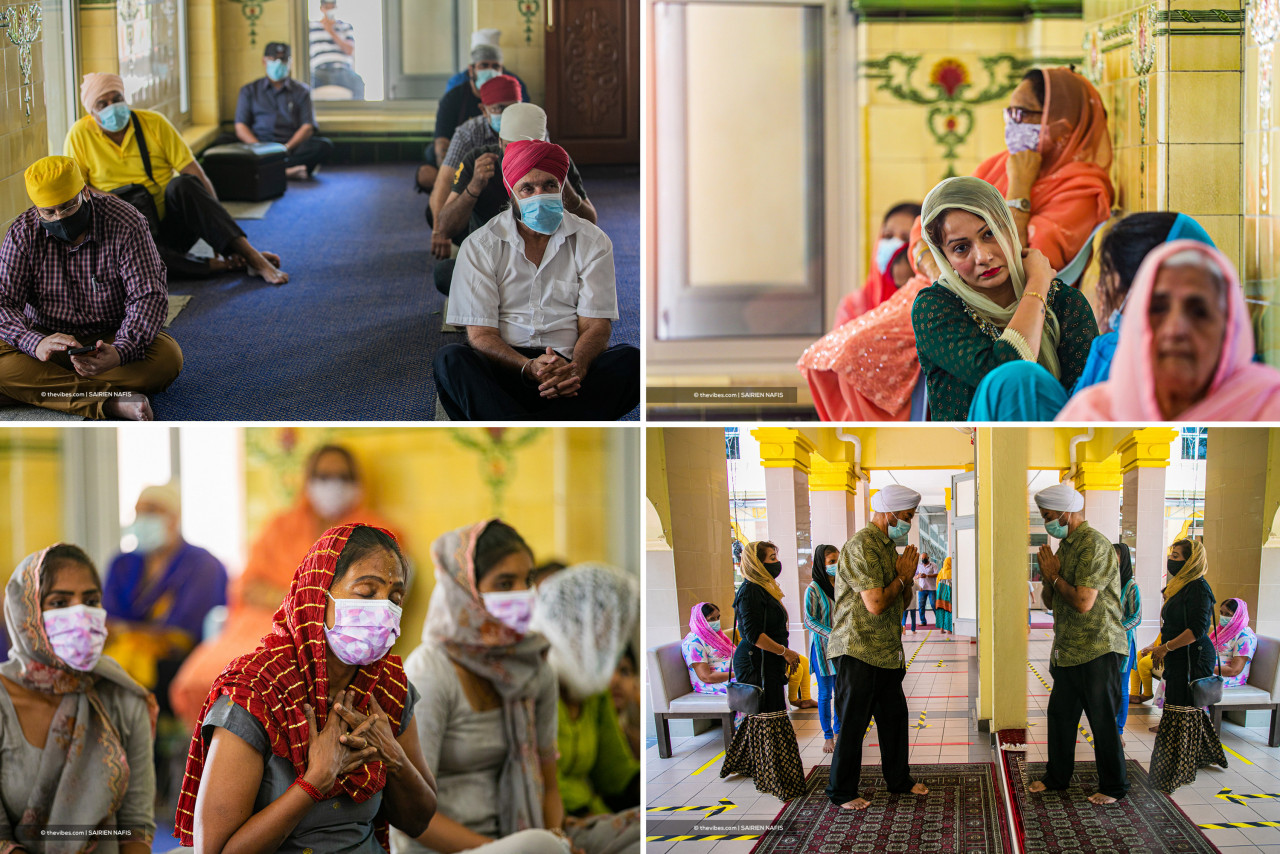
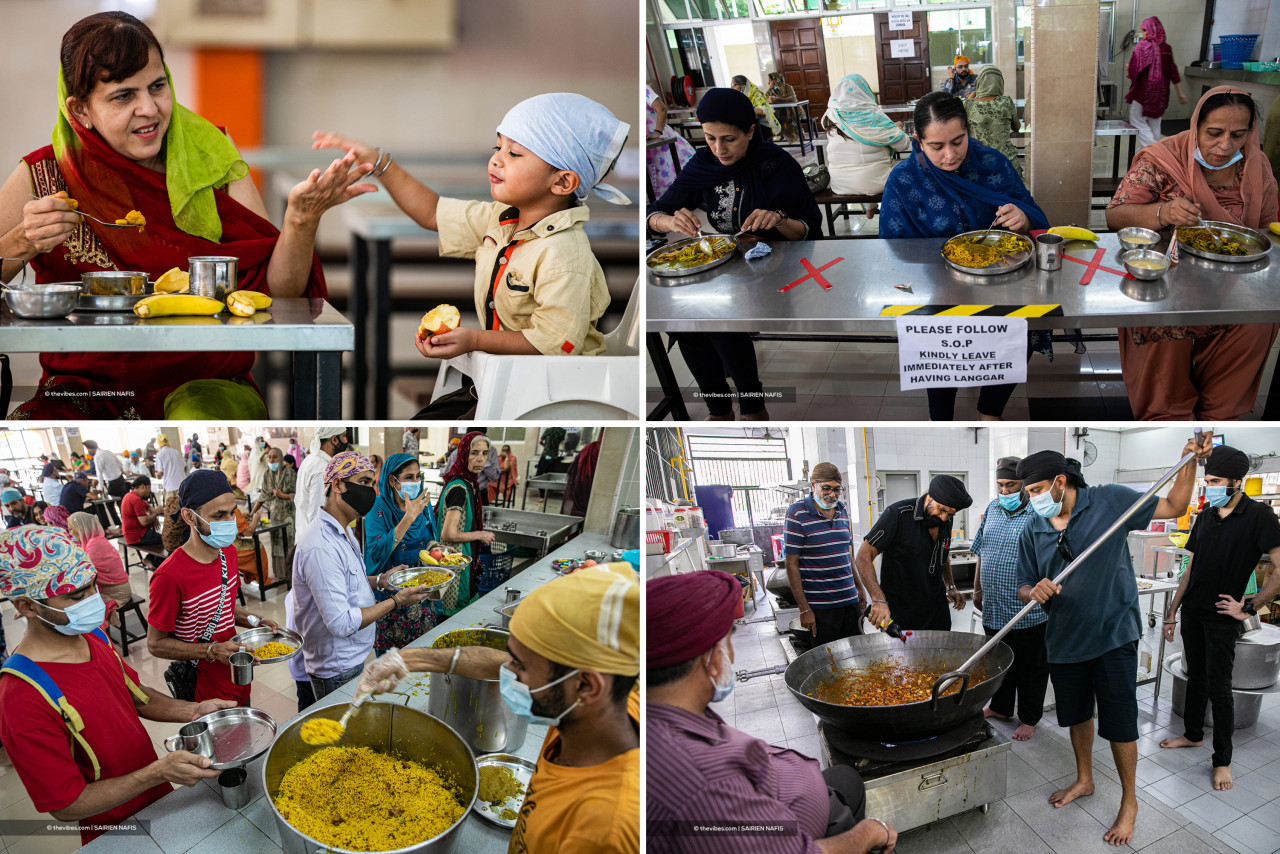
Here in Kuala Lumpur, we see the community visiting their local gurdwaras in a setting that is less festive, but still lively. Celebrations are limited to SOP guidelines of the new normal.
While the term ‘Vaisakhi’ primarily refers to the appreciation of bountiful crops, many of the Indian communities celebrate it with their respective meanings.
For the Sikh community, it is more than just a show of gratitude for a good harvest. It is instead viewed as a religious holiday where the day signifies a sense of pride that details the birth of
their identity through the revival of the Khalsa initiated by Guru Gobind Singh Ji (the 10th Guru).
The Guru founded the Akal Khalsa (Community of the Pure), which played a significant role in resistance against Mughal rule. This remained a key event in Sikh history.
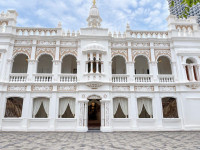
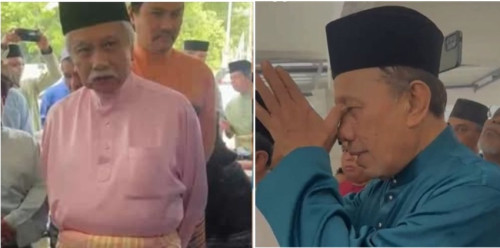
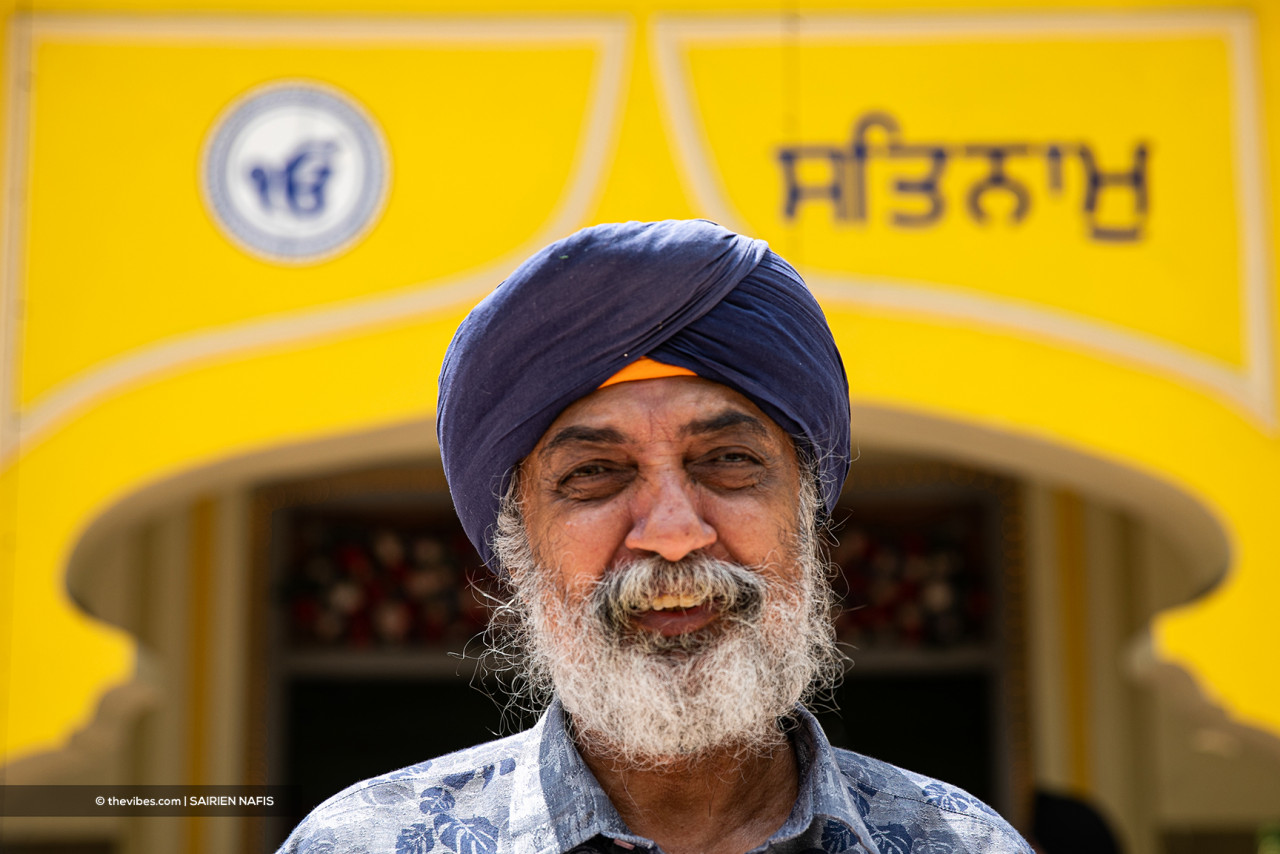
The Vibes visited the Gurdwara Sahib Sentul to see how it is celebrated during the pandemic.
“We aligned our celebrations accordingly, to the government’s order of allowing devotees to get time off for their prayers to attend Vaisakhi.
“The designated date to celebrate it annually is on the 14th,” said Gurdwara Sahib Sentul treasurer Surinderpal Singh Dhillon, 63.
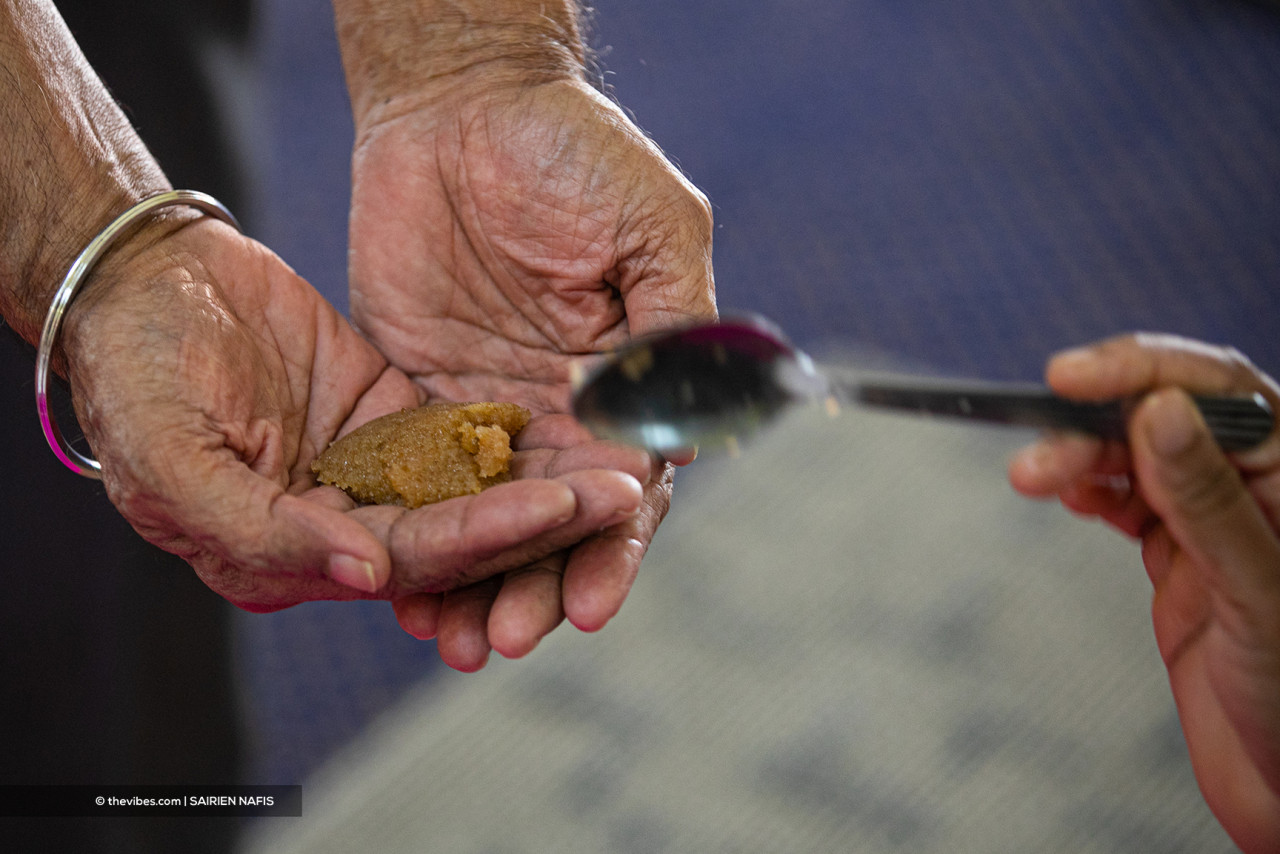
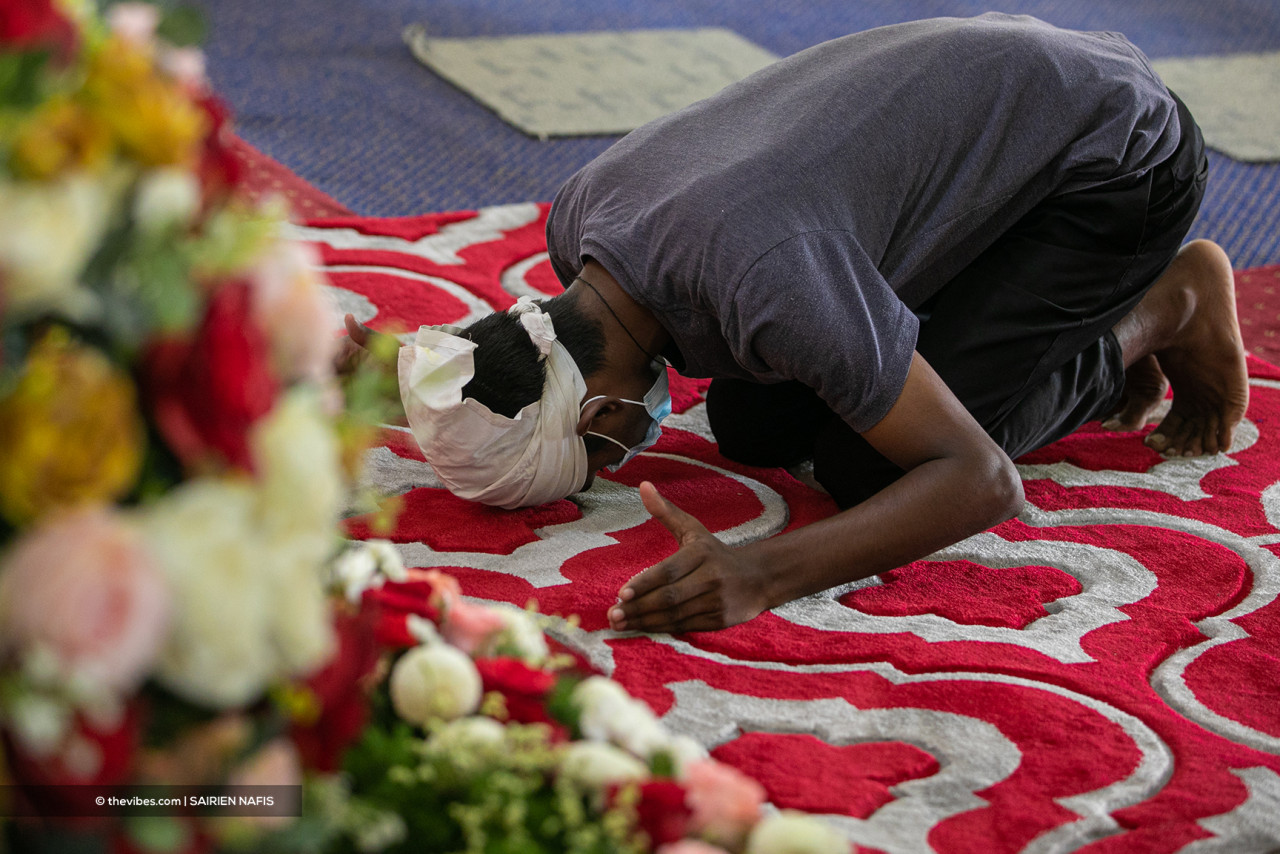
“There are a few gurdwaras that conducted their main event today. But we decided to host ours tomorrow so that Sikhs from the government and private sectors taking the permitted time-off can come here to pray and join the activities with ease.
According to Dhillon, it takes more than 48hours to complete prayers—reading of the Sri Guru Granth Shaib Ji.
Hence, ritual activities in the gurdwaras will start a couple of days prior as the event will normally take up to three days.
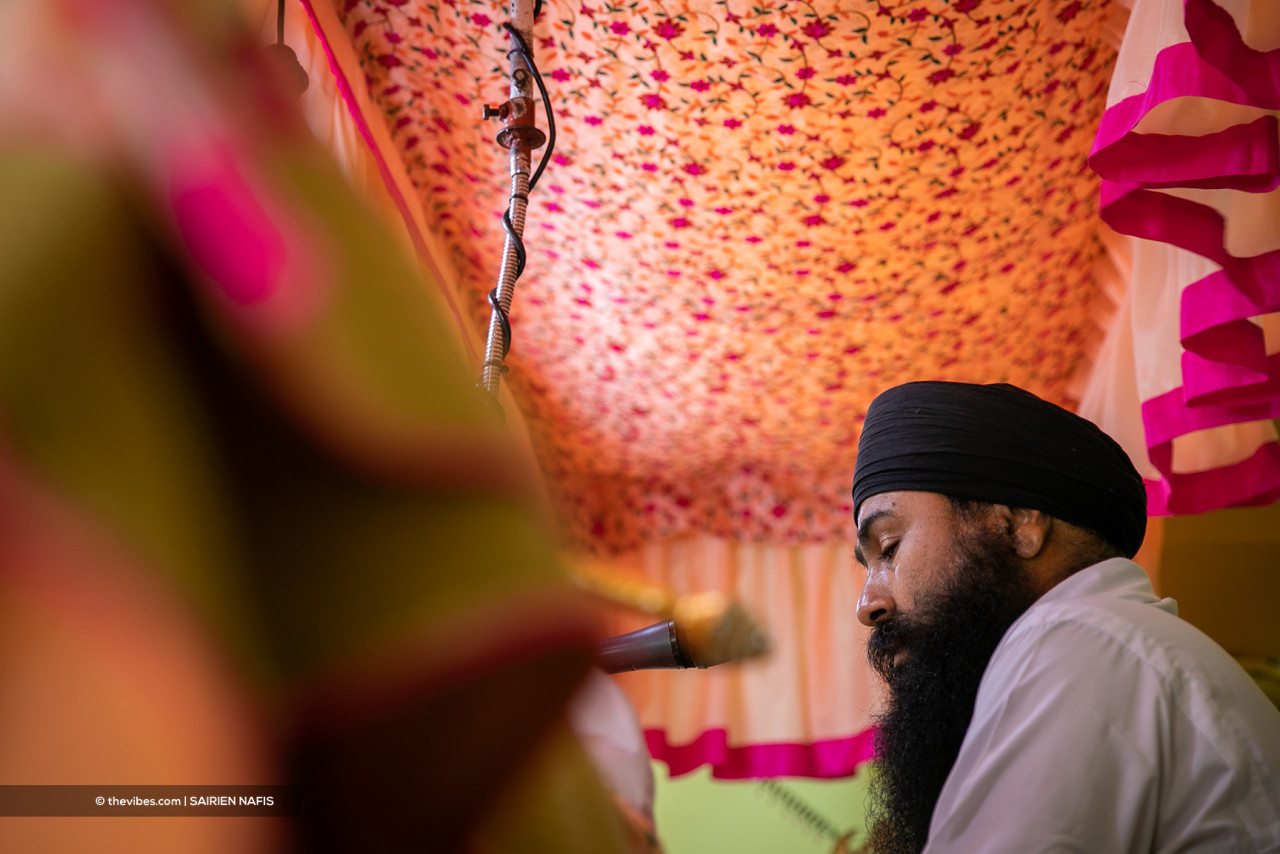
“Sometimes they will have the grand ‘kirtan semangam’, where the spiritual hymns take place. The stanzas sung will associate closely with the commemorated occasion.
“Before the pandemic, we will usually invite kirtan jatha(s), groups who would partake in the kirtan sessions, all the way from India.
“These activities are usually conducted by larger gurdwaras that could support the cost and host larger crowds. Of course, there have not been any invites sent out to do so since the pandemic started,” shared Dhillon.
The Vaisakhi celebration will usually end with a Nishan Sahib di Salami on the last day. It is the changing of the Chola Sahib, where a basanti-coloured cloth mounted on a long steel pole headed with a Khanda (symbol of the Sikh faith) will be replaced with a new one, and cleaned with milk and water. This is done twice a year.
Often seen near the entrance to the gurdwara, the pole stands firmly on a platform that would overlook the whole building and the surrounding premises.
“On why the pole is high is because, from far, you can clearly see this is the house of Guru Nanak, the founder of Sikhism.
“If you are in trouble – you need food, shelter, or any help, irrespective of your race or creed, you can find the nearest gurdwara. You will not be denied a meal or a place to sleep if ever you are in an uncomfortable position. You can find a sanctuary in a gurdwara." – The Vibes, April 13, 2021