GENEVA – On the occasion of the International Day of the Girl Child, UN human rights experts have highlighted the vulnerabilities of girls in the context of the COVID-19 pandemic and called on Governments to unlock young girls' potential and keep the promises made to them in Beijing, 25 years ago.
Twenty-five years ago in Beijing, China, the world made promises to girls all around the globe. Governments promised them they would take all necessary steps to safeguard their equal rights and ensure that girls achieve their full potential. World leaders promised to eliminate all forms of discrimination and violence against girls, to provide them opportunities on an equal basis with boys, to promote and protect their rights, to eliminate the economic exploitation and to empower them to participate in social, economic, political and cultural life. They were promised an enabling environment, where their spiritual, intellectual and material needs for survival, protection and development are met.
This year, while we commemorate the invaluable progress made in promoting gender equality over the last 25 years, the COVID-19 pandemic has reminded us of the existing inequalities and discrimination that girls face and their particular vulnerability in the context of this pandemic. In a joint statement in July 2020, the experts noted that over recent months it has become clear that women and girls have been disproportionately impacted by these inequalities, with lockdown measures highlighting pre-existing gaps and exacerbating deep rooted gender-based discrimination and violence.
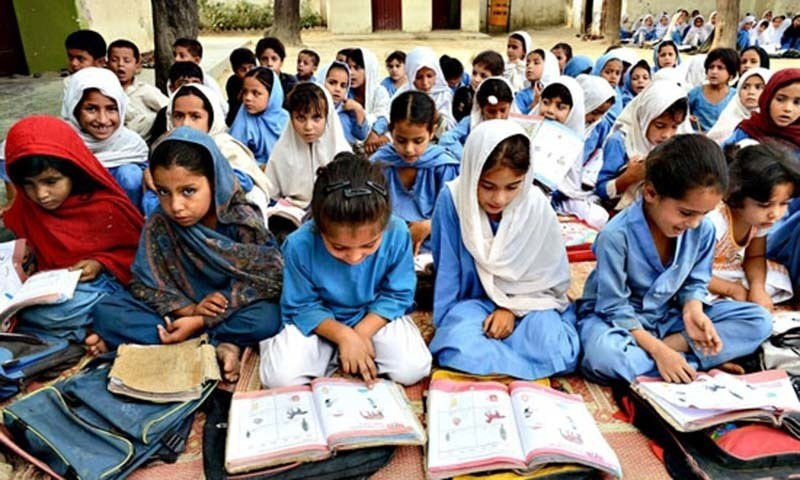
Although girls and children in general have in large part not been hit directly by COVID-19, they are the primary victims of its potential long-term effects. School closures and the sharpened digital divide within and between wealthy and poor countries are eroding years of progress in girls' access to education. Overall, about 11 million girls might not return to school this year, adding to the 130 million who were already out of school before the pandemic. Girls who are forced to stay at home due to school closures are more exposed to domestic violence and face higher risks of child marriage and early pregnancy. Restrictions on the provision of health services, such as pre and post-natal care, termination of pregnancy and the availability of contraceptives, imposed by many countries to address the excessive demands on health services caused by the pandemic, adversely affect young girls. The fragile economic situation of their families has increased the risk of exploitation of girls, including in trafficking for the purpose of labour or sexual exploitation. Digital technologies may pose a significant risk for girls if not properly regulated. In the context of COVID-19, as more girls are not regularly attending school, the risks of trafficking online for the purpose of sexual exploitation has significantly increased. Worldwide, many girls who lived through the peak of the pandemic will see their future lifetime earnings fall precipitously and possible employment opportunities shattered. Girls who are already victims of intersecting forms of discrimination, including but not limited to indigenous girls and minority girls, girls with disabilities, migrant girls and rural girls, are at the risk of being further marginalized.
At the same time, we have witnessed the incredible power and resilience of girls worldwide. We have seen them become change-makers instead of passive spectators. We have listened to them, as human rights defenders, demanding that world leaders ensure their rights to education and to participate in cultural life, as well as equality, environmental justice, sexual and reproductive rights, democracy and accountability. We have supported their calls for the right to live a life free from violence and harmful practices, to complete their educations and eliminate all forms of discrimination.
As countries deal with the devastating consequences of the pandemic, governments have the unique opportunity to re-think societies and address long-lasting structural inequalities. Young girls need to be at the centre of policy-making processes and contribute to the design of age-sensitive social protection schemes. Countries must value the disproportionate share of household chores carried by young girls and ensure access to vocational training and economic resources.
Finally and most importantly, at this historical moment, societies must reconceptualise traditional gender roles to unlock young girls' potential to contribute to their communities and societies. As empowered girls today and as the future leaders tomorrow, they will address this century's biggest challenges. This will only be possible if countries build back better for a fairer and more equal society, a society where girls' voices are heard, welcomed and respected and their views are acted upon, and where girls' rights are protected and promoted, everyday, everywhere.
On today's International Day of the Girl Child, States must reflect on whether the promises made to girls 25 years ago have been realised. We owe this to the young generation of girls that are facing this pandemic. We owe this to the young girls full of hope who believed that this world could be a more equal place with the adoption of a visionary Platform for Action for gender equality. On International Day of the Girl Child, we must accelerate our commitment to ensure that the future we committed to 25 years ago for every girl, everywhere, becomes her lived reality." – The Vibes, October 11, 2020