Tech

How the Internet attracts populations to major cities

Populations' growing interest in ICTs has favoured the creation of national systems: researchers

Updated 5 years ago · Published on 27 Apr 2021 6:00PM

How the Internet attracts populations to major cities
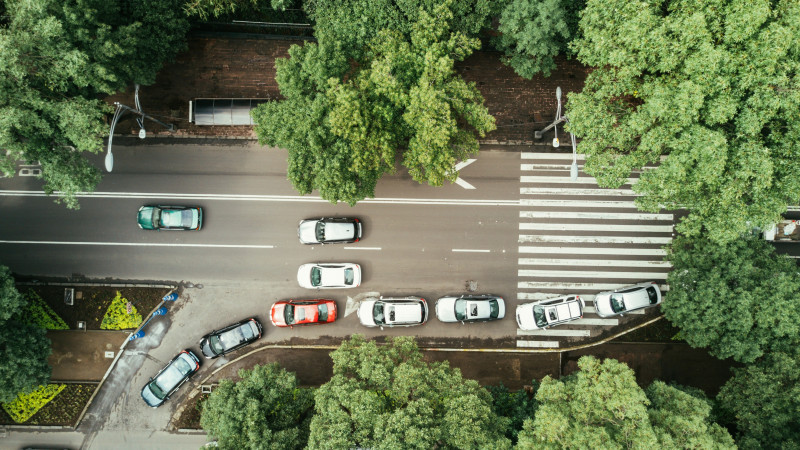
Abandoned by some city dwellers who are increasingly seeking a more natural environment, major cities can nonetheless count on one major advantage to add to their populations: the continually growing attraction of new information and communications tech. – ETX Studio pic, April 27, 2021

SINCE the onset of the pandemic, the question of counter-urbanisation has cropped up a lot in all kinds of conversations. Everyone is fantasising about escaping from the concrete jungle to live in the country. Having said that, large population centres still have some key advantages and the internet may be contributing to their appeal, suggests a new study published in the Journal Plos One.

According to researchers from the University of Bristol in the UK and Tufts University in the United States, who studied the use of information and communications technologies (ICTs) in urban areas in the UK and the US, populations' growing interest in ICTs has favoured the creation of national systems, which are characterised by a greater population density in urban agglomerations. A phenomenon that may in part be explained by the location of firms specialised in ICTs in the centres of major cities. 

"Geographers, planners, and urban economists explored the spatial footprint of the internet at its early stages. Their theories were conjectural and even fanciful then and included the emergence of telecottages, borderless countries, and even the end of cities.

"Today, 25 years after the commercialisation of the internet, we know that those narratives overstated the potential of the internet and other digital communication technologies to supplement face-to-face interactions and diminish the cost of distance. The high and steadily increasing urbanisation rates prove otherwise," point out the researchers. 

The study was conducted before the pandemic, which has encouraged the massive adoption of remote working and video conferencing; two innovations would not have been possible without the internet. 

The authors of the research are nonetheless convinced that the results of their study are still relevant, although they do point out that "next steps" for investigation in this field will "involve assessing the changes that the rapid digitalisation, caused by the pandemic, may create to cities and urban systems." – ETX Studio, April 27, 2021


Related News

Education / 3d

Digital divide persists in Tamil schools despite Malaysia’s digital push, survey finds

Malaysia / 1y

Retirees prime target of scammers, caution police

Malaysia / 1y

AI generated pornography: Student charged

Opinion / 1y

The Trump dilemma and reclaiming balance: The urgent need for fair global trade

Malaysia / 1y

Malaysia adopts more balanced approach, no plan to set age limit for online access - Fahmi

Malaysia / 1y

Malaysians told to stay away from protest areas in UK

Spotlight

Opinion

When bullying turns violent, Malaysia must confront what is happening inside schools

By The Vibes Says

Malaysia

Malaysia-Thailand open historic border crossing to deepen trade, regional integration

By Ian McIntyre

Malaysia

Gerak Khas drama actress, Tisha Samsir denies drug involvement

Malaysia

Student stabbing: Teenage girl sent to Hospital Bahagia for psychiatric evaluation

Malaysia

Anwar wishes Tun M a happy 101st birthday

World

Israel shares intelligence with US over alleged Iranian plot to assassinate Trump

Malaysia

EPF members withdraw RM19.87 billion from Flexible Account as of May 31

Malaysia

Melaka: Student who was allegedly bullied chases schoolmate with box cutter

World

Fresh US-Iran strikes deepen Middle East crisis as ceasefire crumbles

You may be interested

Events

HashMicro rolls out AI-powered manufacturing platform to help firms tackle rising costs, disruptions

By Alfian Z.M. Tahir

Places

Four premier hotels in Penang to be restored, open doors soon

By Ian McIntyre