


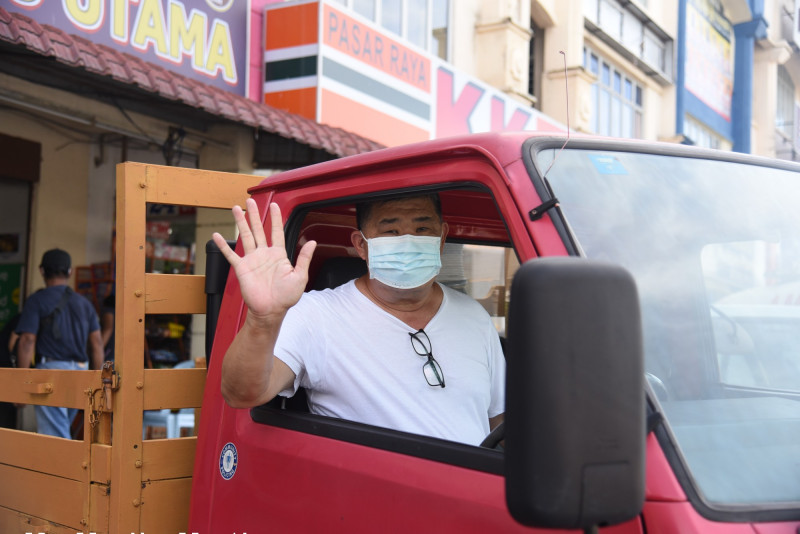

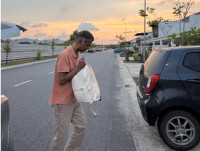
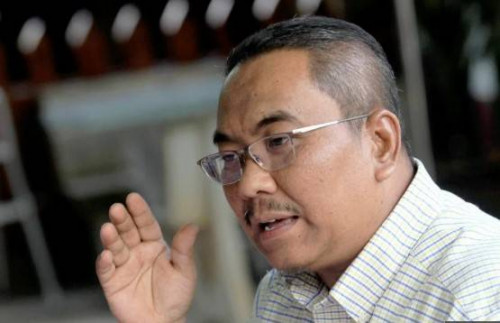
RECOGNISED as a backbone of the community, local activist Kuan Chee Heng, aka Uncle Kentang, is indeed a moving force. He fosters togetherness in providing aid to the less fortunate.
The philanthropist has come a long way, but Uncle Kentang finds his journey more sublime than filled with hiccups – at least, that is how he sees it.
If there were any (challenges), the 58-year-old does not dwell on them. The blues won't get him down because all that he is – or what he stands for – is to ease the plight of others to shape a stronger and safer environment.
His drive in giving back to society stems from a community policing project. It takes on a ‘subtle’ crime prevention approach by improving care for the society, providing basic needs such as food, medical support, and sometimes financial aid, to reduce the likelihood of crime being committed. This comes in the form of being a former policeman himself.
To celebrate Malaysia Day, The Vibes Culture and Lifestyle chats with Uncle Kentang to get the latest update on his endeavours. More in the interview in conjunction with Mead Johnson Nutrition’s ‘Healthier Malaysians, Stronger Malaysia’ campaign below…
The Vibes: Hi there, Uncle Kentang! It’s great to finally be able to speak to you personally. Tell us, what is a typical day for you and your team, considering that we have the pandemic in the background to overcome?
Uncle Kentang: Hi, thanks for wanting to catch up! With the Covid-19 pandemic, we face many new challenges in distributing food to the hungry, which was slowed down due to the movement control orders (MCO). We can no longer work as fast as we want to nowadays but seeing the smiles on the faces of the hungry children once aid arrives keeps us motivated.
TV: Have you ever felt burnt out at any point? How do you overcome it?
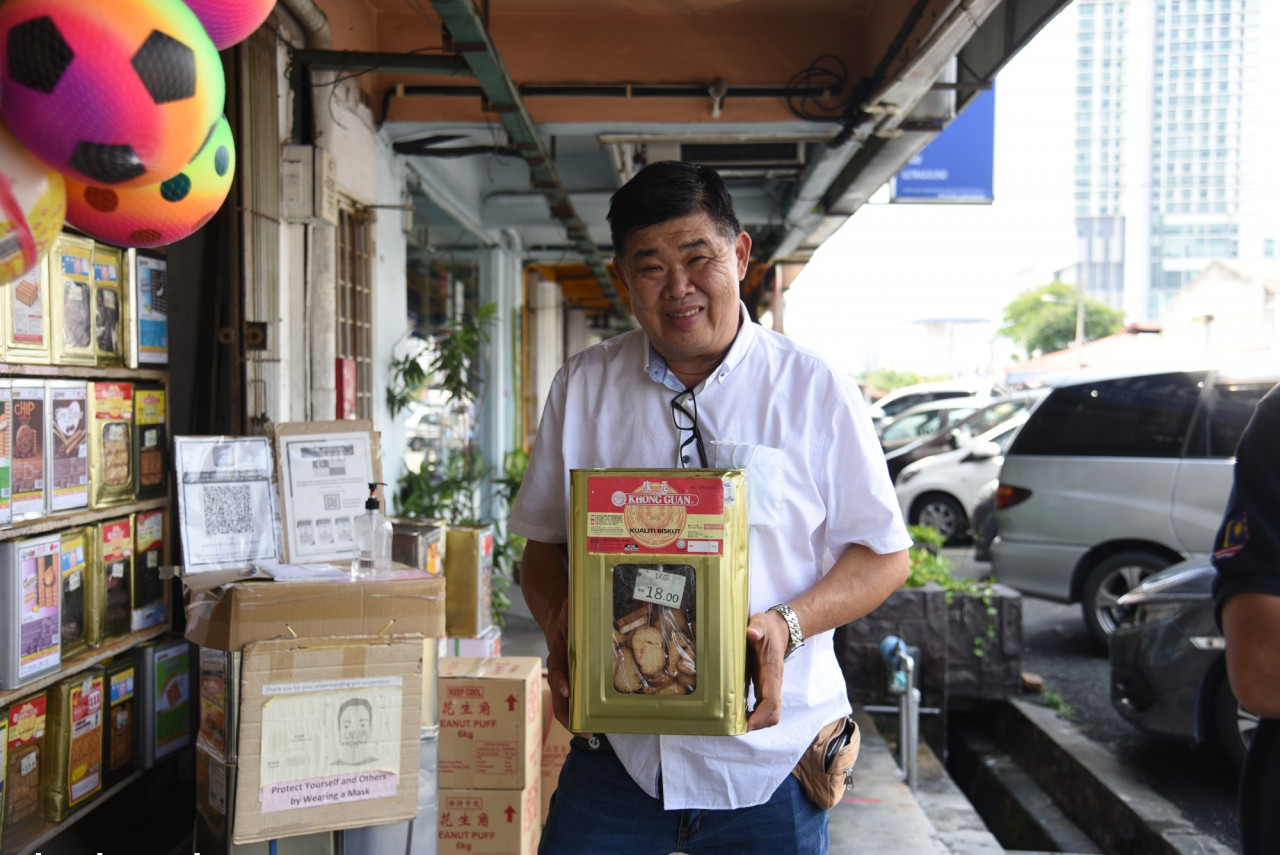
UK: Of course, there are moments that one can feel so, but I will start my day with the right energy and mindset. Whenever I need to be out to help people, I’ll have my favourite songs on to motivate me. ‘Eye of the Tiger’ helps bring my mood up and it helps keep my mind sharp.
That said, what helps me the most in continuing my work is seeing all the messages that come in from helping others in the past. I thrive on people’s positivity, and this is the ultimate encouragement – knowing that a mission is accomplished.
I live not to live by myself, I live to serve and enjoy the day with others. However, an important piece of advice that I want to share, especially when it comes to activism/philanthropy work, is to not seek a ‘thank you’ for the things you contribute because it is self-serving.
This is key to not feel like you are not doing enough. In whatever you do you, do what you can, when you can and how you can. You must enjoy your work to love waking up every morning to do it.
TV: Being labelled as ‘The Hero for the Underprivileged’, how does that make you feel?
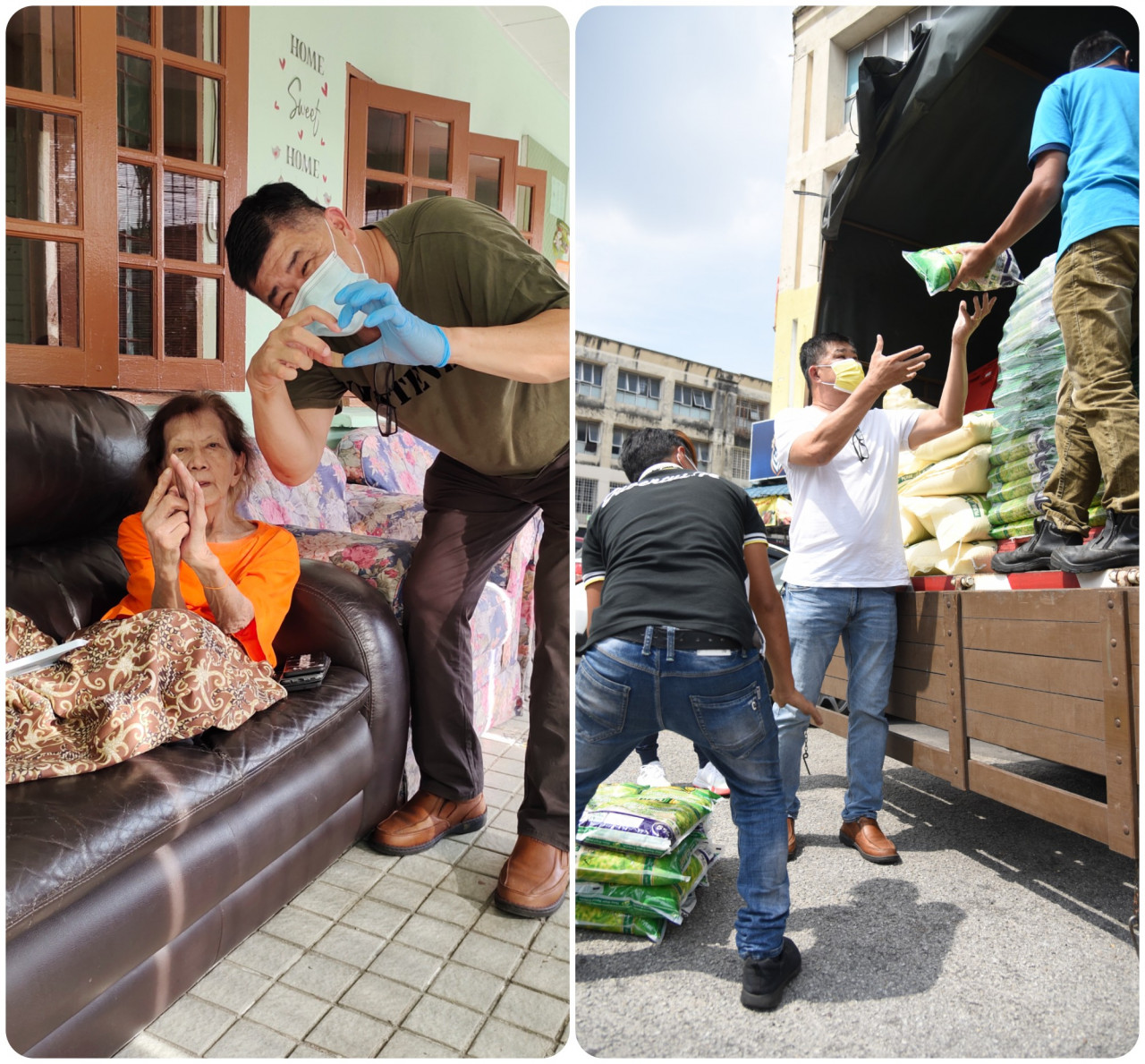
UK: I don’t see myself as a hero. I see myself as a facilitator/coordinator instead. When donations come to me, my task is to carry out my duties entrusted by others. So, the real hero here is all the Malaysians (and other nationalities) that have been helping with their contributions.
Uncle Kentang is not about Uncle Kentang alone – it’s about all the individuals supporting Uncle Kentang. The heroism that we are talking about here is a result of a combined effort.
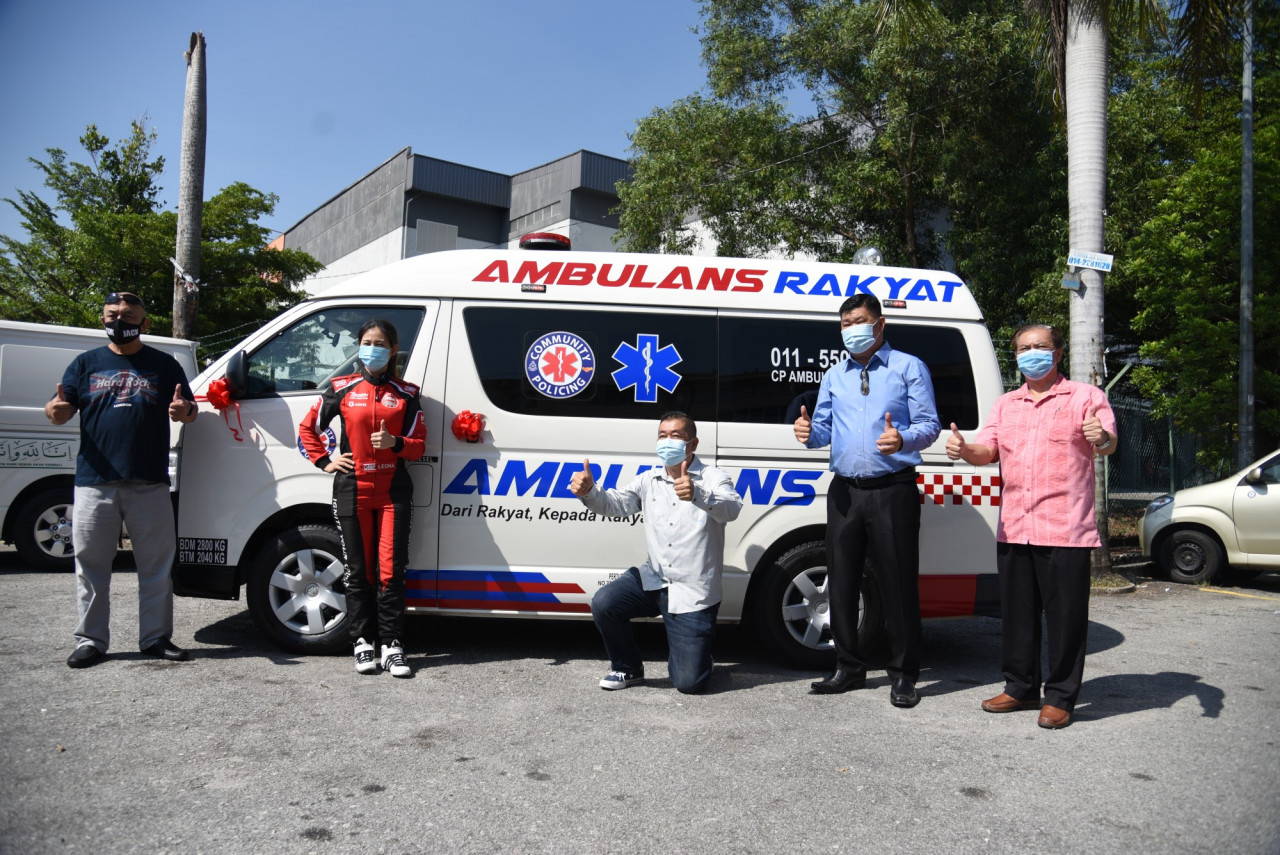
For instance, during the pandemic, I’ve started the Covid commando initiative by getting a few young guys to come together to operate three ambulances. Our goal is to pick up underprivileged patients (who do not have the means) free of charge and send them to the designated centres for further quarantine care.
It’s also an effort to help frontliners who are already stretched by getting abled people on the ground to assist whenever possible. It’s important to encourage Malaysians, both young and old, to work together in overcoming the pandemic.
TV: When it comes to doing good, is it exclusive to fit a certain kind of personality? Meaning one needs to have a high level of patience and be forgiving to commit to altruism?
UK: I would like to reframe the question to whether you need to be rich to do good, and the answer is no. You need to be healthy to do good instead. Aside from ensuring your health is in check, having an optimistic mindset is crucial.
‘Senyuman itu adalah satu sedekah’, your prayers, a pat on the back – all which doesn’t cost a single cent. Kindness is free.
TV: Has your popularity among Malaysians ever bothered you?
UK: The popularity that comes, I don’t see it truly being about me. When you talk about ‘nawaitu’ (intentions), it’s not about popularity at all but truly on how I can get others on board in joining me to help the poor or those down on their luck.
If you ask me what drives me to become so 'crazy' at helping others, I will say that I see other Malaysians as my siblings. We can learn a lot of things from each other, it’s just a matter of giving time to understand one another to know that we are not that different.
I’m reaching 60 soon and I can say that I really enjoy my life in Malaysia and have lived the best part of it here in the country.
TV: Could you share with me more about your experience working as a policeman? Were you able to conduct your social work then? What are your thoughts about people fearing authority?
UK: When I was a policeman, I used to call the traffic (division) to help in a blood donation drive to serve the old folk’s home. I still remember heading over to Pulapol (the Malaysian Police Training Centre) and getting the recruits there – a whole bus – to go and donate blood. And everyone was very encouraging with their participation.
I guess you could say that my love for helping others started earlier in life, even then.
You see policemen are very agile, we do not make a lucrative income, but we are ready to assist where we can. If anybody has violated you, it is our duty to protect you. You must allow some authority to maintain peace and order.
Policemen are also human beings, where we also go ‘makan and lepak’. We would not want to simply arrest you for no reason. When you are being intimidated, we are the ones who are tasked to diffuse it, and you must allow space for the police to carry out our duties.
TV: Being a keen observer of the way society works; do you have any future goals moving forward?
UK: I am still focused on reaching out and serving those who have financial difficulties but need good healthcare by extending the ambulance services to other poor areas around Malaysia.
Just because they do not have enough money, it does not mean that they do not deserve medical attention from doctors. We are also planning to establish another retreat home, especially for female senior citizens.
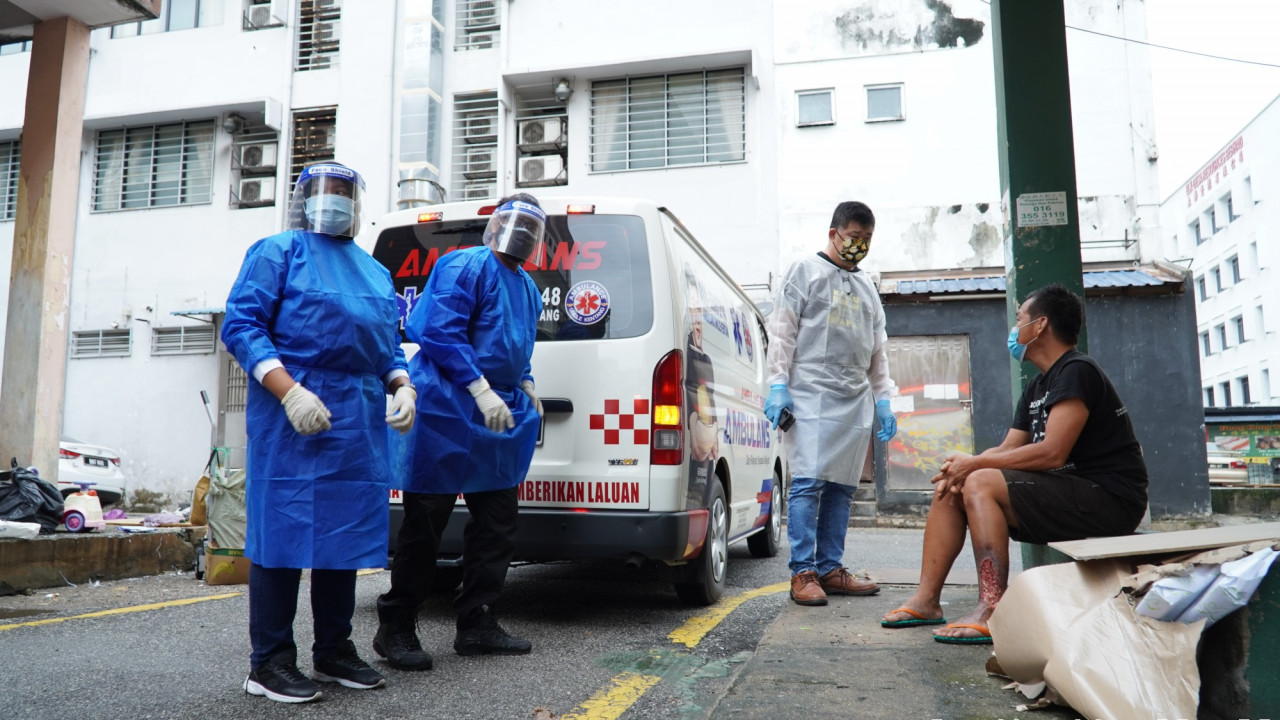
Apart from that, we also hope to set up a ranch for seniors in five years so that they can have a good quality of life and a spacious place to stay. The current state of senior homes is often too crowded and resembles a hospital. Elderlies deserve to live their later years comfortably.
TV: How can we be a better Malaysian? What does ‘Healthier Malaysians, Stronger Malaysia’ mean to you?
UK: Definitely, a healthy nation means that we carry a progressive mindset that allows our children and future generations to grow healthy together. This would mean we don’t unnecessarily burden the people around us, the system, and the country.
To have good health in our senior years, one needs to start early and to start by inculcating a healthy lifestyle. Exercise more and consume a balanced diet with good nutritious food. Health is the best wealth granted to us by our maker, and we must take care of it. – The Vibes, September 16, 2021



.jpeg)
