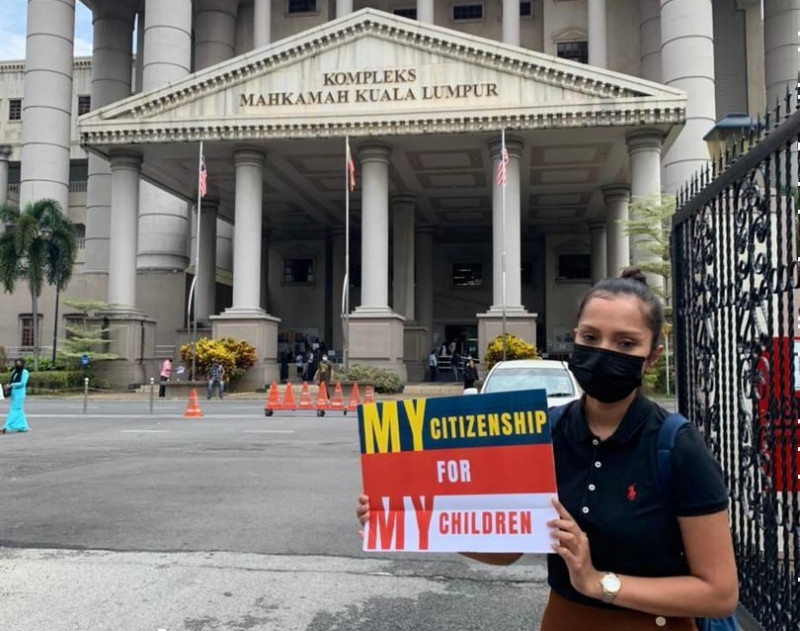

GEORGE TOWN – How far would a Malaysian mother, married to a foreigner, go to ensure her child is Malaysian? For Esther, it meant hiding her pregnancy when she was well into her third trimester, to get on a flight from Germany to Malaysia.
She learnt a valuable lesson when she could not confer her Malaysian citizenship to her firstborn daughter. Adamant to ensure her second child is a Malaysian citizen, she got on the plane without clearance from the doctor. She managed to hold out throughout the flight before being admitted to the emergency room (ER) upon landing.
“I remember, just before we landed, the pilot announced, “Kepada warganegara Malaysia, selamat pulang ke Tanah Air” (to Malaysians, welcome home). I got teary because I was so hurt knowing that my eldest daughter was not welcomed here.
“When I was in the ER, many thoughts raced through my mind. I questioned why I married a foreigner, why I have to be discriminated, why did I have to go through all this – not because I am a woman, but because I am a Malaysian woman.”
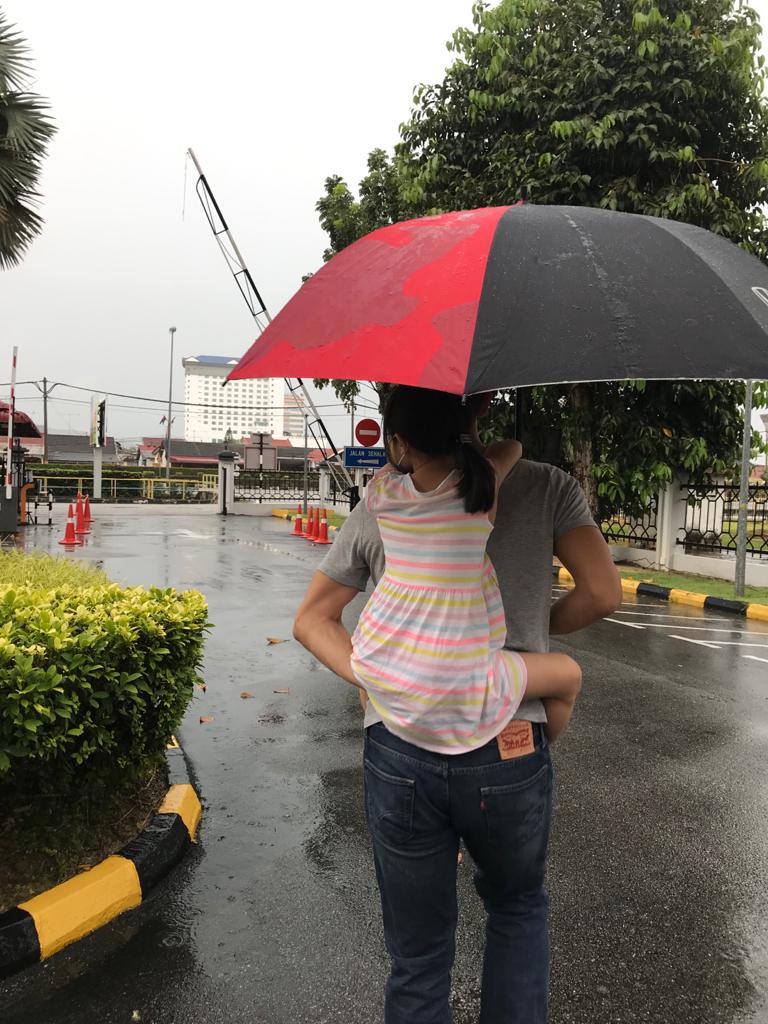
When she was pregnant with her first child, she was told by her Malaysian colleagues, all of whom were men married to foreign wives, that it was easy and quick to get birth certificates for their children born in Germany. ‘In two days,' they assured her.
When she went to the embassy and questioned if she could apply for citizenship for her daughter, the officers told her that it was no problem. She didn’t know she would have to wait years for a reply to her application.
Since then, she has been fighting to apply for her firstborn to be recognised as Malaysian. She pestered the officers at Jabatan Pendaftaran Negara (JPN) and even went to Putrajaya to send her appeal letter. Once, she was able to hand in her documents directly to an officer-in-charge at JPN. A rejection letter came shortly, no reasons were given on why her application was rejected.
“I was in Germany because I studied and resumed to work for a few years there to gain experience. My plan was always to come back to Malaysia after.
“I decided to quit the job that requires me to travel and came back to Malaysia. A few months later, my husband found a job here and moved, too. It all happened just before the border lockdown at the end of 2019.
“If I came back without my daughter, she would not be able to enter Malaysia.
“I had no choice but to take the German citizenship for her when she could not get her Malaysian citizenship after she was born. It was that or be stateless!”
Another affected Malaysian mother was Adlyn Adam. Her son was almost stateless when he could not obtain his father’s Hong Kong citizenship when she gave birth to him in Beijing.
“He couldn’t obtain China citizenship because China practices ‘jus soli’ (right of soil). He couldn’t get Malaysian citizenship, nor could he get his father’s citizenship.
"In the end, my son was stateless.
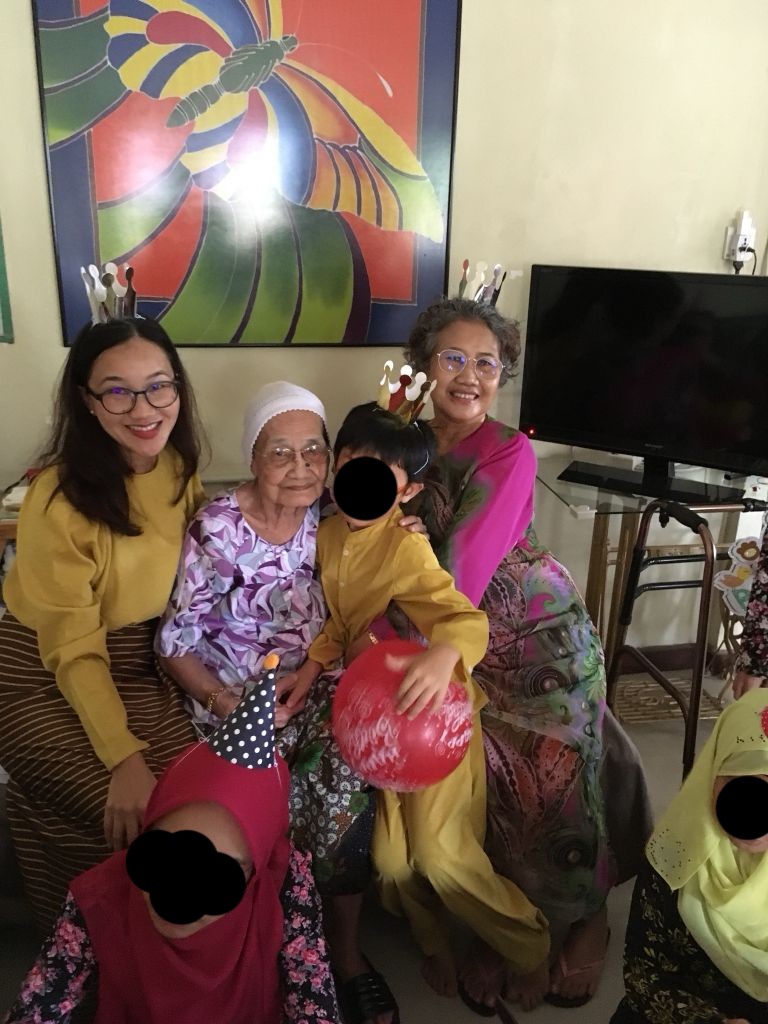
“We were lucky because when we wrote a humanitarian appeal to Hong Kong, they granted my son his papers. So, at least he now has a passport, but that is not the passport of choice.
“Now, Malaysia is saying, ‘Oh, you already have another nationality, so you can’t get Malaysia nationality', but we were forced to get another one.
Adlyn told The Vibes that they have no relatives in Hong Kong and they have only gone there to get her son’s passport.
“We have no family to visit. He has no cousin to play with. We stay in hotels. I can’t imagine what would happen if he cannot get his Malaysian citizenship, because Hong Kong is not home for us.”
Adlyn’s brother married an American citizen and, if he has children, it would take him two to three days to get all the citizenship documents sorted out. However, it has taken years for Adlyn to confer her citizenship to her son.
“The entire process for me is different because I am a woman. This application is at the discretion of the Minister of Home Affairs. It is a very arbitrary process, flawed with delays and the discrimination is apparent.
“Is my brother more Malaysian than me? It raises all these questions. Because growing up as a girl in Malaysia, you never encounter any discrimination based on gender. We can play the same sports as the boys, we can do the same activities, pick the same university, we can drive and have the right to vote. But when you have a child and you just happened to marry a foreigner, you are being punished.”
Adlyn had started the application for her child even before he was born. She contacted the Malaysian embassy and was assured that she could just apply after her son was born.
“If I had known that we have this discriminatory law, I would have flown back to Malaysia. I would have come home and given birth here than to receive a rejection letter only two and a half years later without reason.
“At that time, he was still stateless and we have to request a humanitarian appeal to Hong Kong, though we did not even qualify for it.
“I applied again for my son’s citizenship almost four years ago I haven’t heard back. This journey already took 10 years.
“If I didn’t take the Hong Kong citizenship, my son cannot go to school and his whole access to healthcare, education, everything is just gone. You don’t have an identity, it’s like you don’t exist in this world.”
A mother who would like to be known as Priscilla was married to a French citizen. She had two daughters before her divorce was finalised and she came back to Malaysia. All the while, she had close contact with the Malaysian embassy in France, but she was never told of the difficulty of conferring her citizenship to her children.
Upon her return to Malaysia in 2015, she was shocked to find that her two daughters could not be Malaysian citizens.
“I was pregnant with my second daughter when I came back to Malaysia for a holiday. Had I known, I would have given birth here.
“I had to do visa runs every 90 days. Once, it was overdue for three days."
They were questioned before she had to pay a RM100 fine and had to leave the country within 24 hours.
“I applied in 2016 and got the rejection letter in 2019 without any reason. I reapplied in 2019 and am still waiting for an answer. I am running out of time because when my eldest daughter turns 16 in about four and a half years, she won’t have a student visa and will have to go to France.
“They don’t speak French and they have nowhere to stay there. Their father has remarried, with two other children. My ex-husband is still thinking about taking my daughters if they can’t get their Malaysian citizenship.”
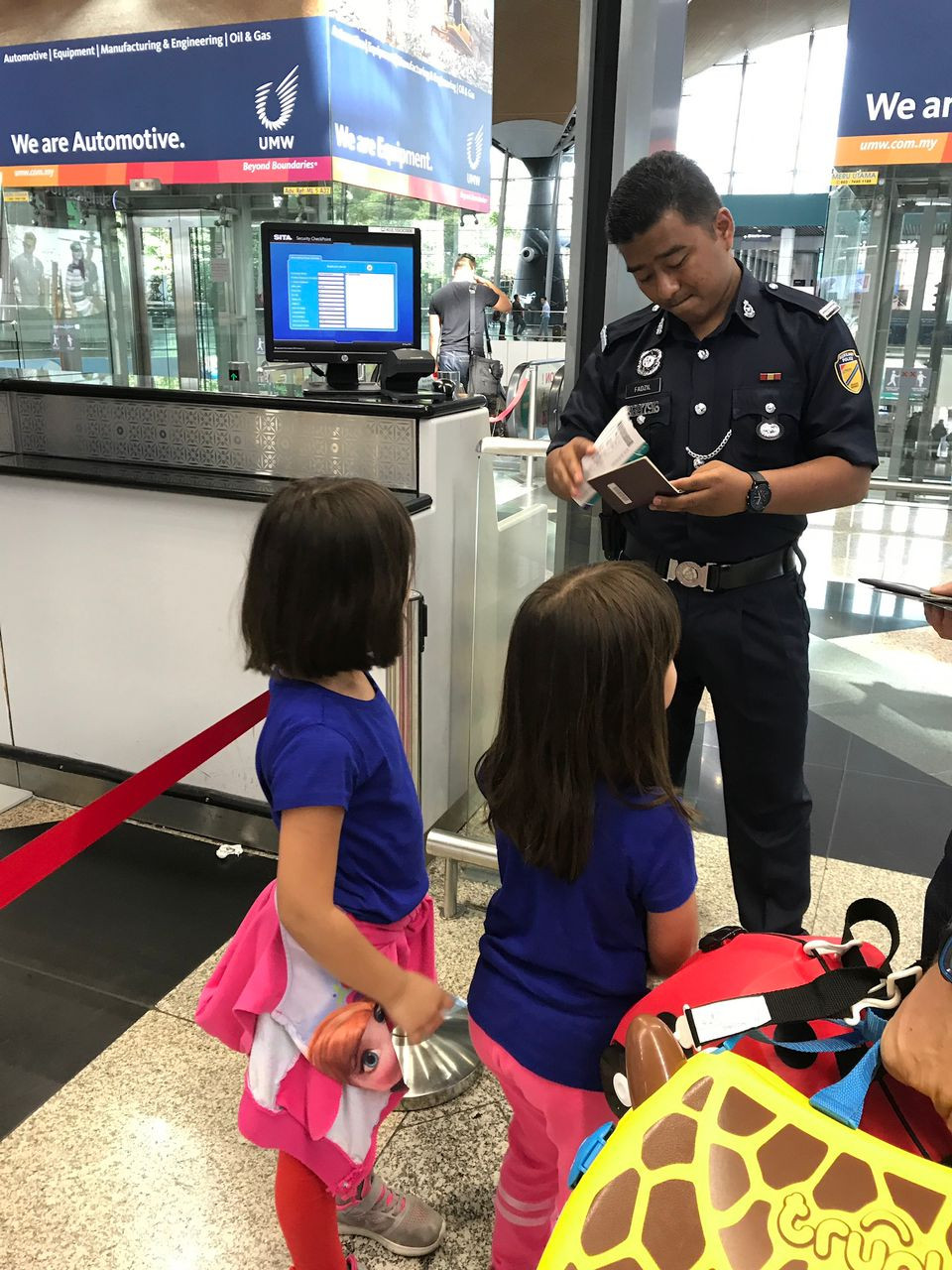
She has met up with a lawyer with hopes to smoothen the case proceedings. But the lawyer told her that after fighting for the cause for many years, personal handling of all documentation was better as they tend to cut off anyone who comes with a lawyer.
“There are 11,000 applicants to approve, and right now, 98% of it are rejected. We are not looking for dual citizenship. And if that is the case, there are many male Malaysians with children holding dual citizenship, what are they going to do about that?
“My parents, grandparents and I are from Malacca. I am Malaccan Portuguese, and my ancestry is there, what reason is there to reject both my daughters of their citizenship?”
All three mothers rejoiced when the court ruled on September 9 that Article 4(1)(b) of the Federal Constitution, together with the Second Schedule, Part II, Section 1(b), on citizenship rights, must be read in harmony with Article 8(2), which prohibits discrimination based on gender.
High Court Justice Akhtar Tahir ruled that the word "father" must thus be read to include mothers and that their children are entitled to citizenship by operation of law.
The government filed a notice of appeal against the High Court ruling on September 13. – The Vibes, October 6, 2021