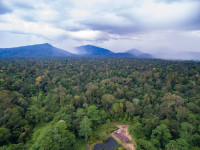
RESEARCHERS in the US have found that trees at the outer edges of forests grow nearly twice as fast as trees in forest interiors. These ecosystems could therefore play an essential role in storing carbon and fighting climate change.
As part of the study, carried out by researchers from Boston University in collaboration with the Harvard Forest research department, more than 48,000 forest plots in the northeastern United States were analysed.
Lucy Hutyra, a biogeochemist and ecologist at Boston University, and senior author of the research, studied the growth rates and carbon storage capacity of trees in forest plots bordering roads, agricultural crops or solar farms, for example.
Her team found that trees located at the edges of forests grew twice as fast as those growing in the forest interior, about 30 metres from the edge.
"This is likely because the trees on the edge don't have competition with interior forest, so they get more light," says study co-author, Luca Morreale.
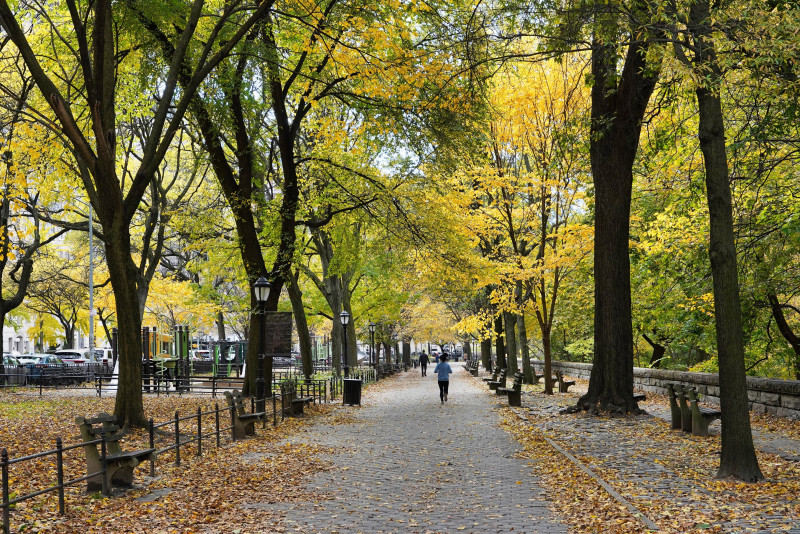
According to the authors, these findings challenge current thinking about the conservation and value of urban forests, which should not be viewed solely as places for recreation.
At a time when cities and nations are pledging to plant more trees in an attempt to mitigate the effects of climate change, the paper's authors emphasise the need to better preserve the edges of existing forests, which are generally the first targets for removal or alteration.
"We are underestimating how much carbon is being taken up by temperate forest edges," says Lucy Hutyra.
"We also need to think about how susceptible they might be in the future to climate change," continues the researcher, because previous research has shown that even though these trees are growing faster from more sunlight, hotter temperatures can lead to plummeting growth rates in trees at forest edges. – ETX Daily Up, February 22, 2022