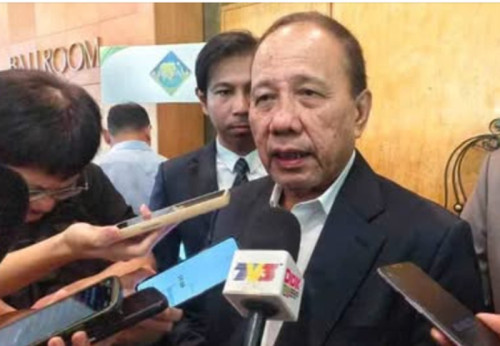
SABAH is not opposed to Malaysian citizenship for migrants holding government-issued documents if they fulfil the legal criteria, assistant minister to the chief minister, Datuk Nizam Abu Bakar Titingan said today.
Nizam said the digital registration of foreigners in Sabah encompasses all migrants, including those possessing government-issued documents such as IMM13, Surat Burung-Burung and Census Certificate from the past.
“Document holders who do not qualify to become Malaysian citizens will be registered in the (digital registration) process and Smart Sabah Corporation Sdn Bhd will ensure they are registered,” said Nizam.
He was responding to a question from Sabah opposition leader Datuk Seri Mohd Shafie Apdal (Senallang-Warisan) at the Sabah assembly sitting in Kota Kinabalu today.
Nizam said the government recognises all the programmes carried out by the previous administrations aimed at resolving migrant issues.
Shafie was seeking to disprove allegations that he had allowed an influx of migrants into Sabah when he was chief minister.
He also threatened legal action against parties defaming him.
Nizam said digital registration of the migrants in Sabah began on September 12, 2022, with focus on the construction and plantation sectors of Sabah.
To date, 39,276 migrants in the state have registered, including 21,994 workers and 17,282 dependents in sites owned by Sawit Kinabalu Group, Sabah Softwood Bhd, Benta Wawasan, MGV Plantation, and Cepat Wawasan Group Bhd.
Nizam said illegal immigrants discovered during registration would be repatriated to their countries of origin.
The digital registration process involves data collection, facial recognition, and biometric data through the Sabah Workers Integrated Management System, conducted in accordance with the Immigration Act 1959/1963 and Immigration Regulations 1963.
“There is no overlap in authority between federal and state in this effort as this outreach programme is supported by the federal government,” said Nizam.
Over the years, the government has issued 136,055 Surat Burung-Burung, IMM13 and Census Certificates to migrants.
Experts suggested that while some holders might have died, their families could have quadrupled over the years. – April 25, 2024