THE government must remove the ceiling on sugar prices for the sake of public health, Galen Centre said today in response to the National Health and Morbidity Survey 2023 report.
The report, released by the Health Ministry, showed that Malaysia was seeing a non-communicable diseases (NCDs) crisis.
It said two million people are living with three types of NCDs such as diabetes, hypertension, and high cholesterol. Half a million are living with four NCDs, including obesity. It is expected that seven million Malaysian adults aged 18 and older will be either prediabetic or diabetic by next year. Many of them will be undiagnosed and unaware of their status.
The report said Malaysia has the highest rate of diabetes in the Western-Pacific region and one of the highest in the world. The disease costs the country RM 3.1 billion a year, it added.
Galen Centre health and social policy head Azrul Mohd Khalib said Putrajaya must act urgently to stem the rise of NCDs among Malaysians.
"Firstly, we welcome the health minister's call for urgent action on sugar consumption to reduce diabetes among the population," Azrul said.
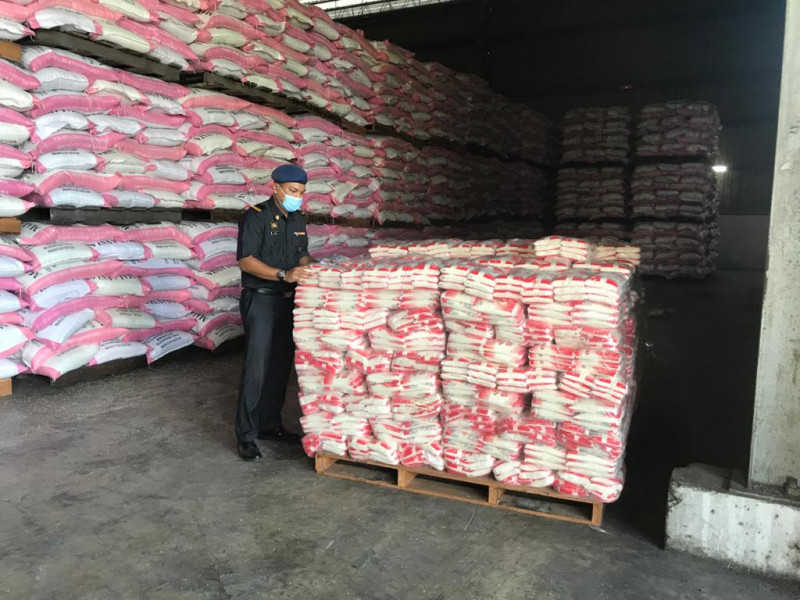
"Price controls on sugar are a key factor in excessive sugar consumption in our food. The price of sugar is kept artificially low... due to incentive payments from the government to the sugar industry, resulting in Malaysia, a non-sugar producing country, having among the lowest sugar prices in the world."
"Cheap sugar is driving higher uptake. These tax-funded subsidies work against any war on sugar and are expected to cost the government between RM500 million to RM600 million annually.
"It does not make sense to go to war against sugar but at the same time, subsidise it. These incentive payments should be stopped. With diabetes costing more than RM 3billion annually and other cardio-renal-metabolic diseases such as kidney disease, we cannot afford half measures.
Azrul proposed that the government impose a 10% midnight surcharge on all food and drink sold in food establishments between midnight and 6am.
He said the tax revenue could be used to treat diabetes, cardiovascular disease, kidney disease, hypertension, and cancer.
Azrul said studies showed that eating at night leads to twice as much weight gain.
"When combined with sedentary lifestyles, it is not a surprise that at least half of the population are either obese or heading there."
He urged the government to consider raising the excise duties on tobacco products, which have been unchanged since 2015.
"The suggested excise tax rate is RM 0.77 per stick, equivalent to a 61% excise tax on the retail price. This can generate additional tax revenue of RM 771.8 million. Together with the expected tax collection from nicotine vape, this will bring in at least RM 1.2 billion."
The nicotine content in vapes should be limited to 2%, Azrul added.
"Five per cent nicotine vape is commonly found in Malaysia. The maximum nicotine concentration is 2% in countries that regulate vape."











.jpg)