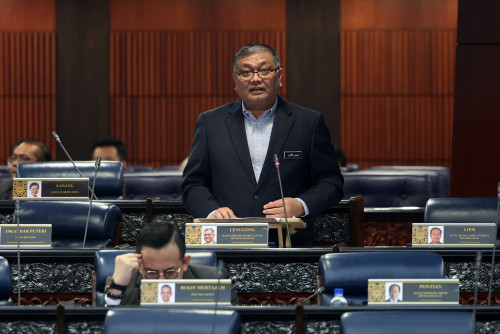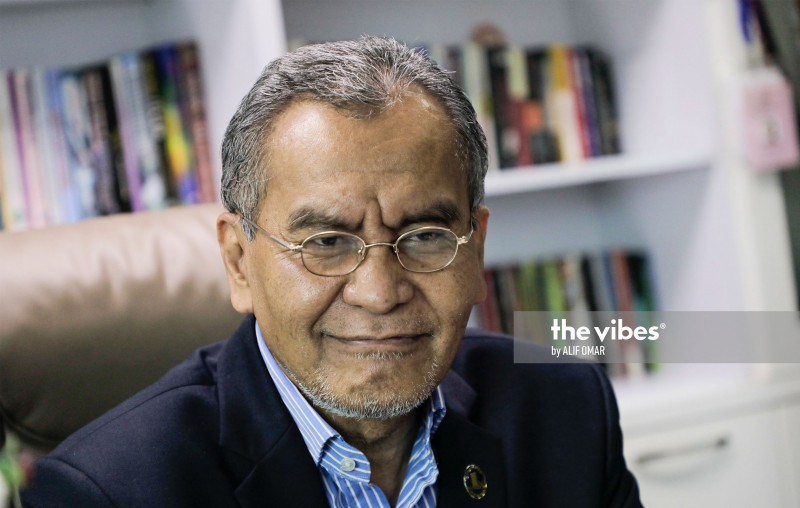
MORE than 60 percent of HIV infections last year were transmitted through homosexual and bisexual relations, revealed Health Minister Datuk Seri Dr Dzulkefly Ahmad.
According to reports in The New Straits Times, a key factor behind this increase in transmission is the inconsistent use of condoms, especially among high-risk groups.
Dzulkefly said this challenge becomes more complex with the rising use of drugs and illicit substances, particularly among young people, leading to risky sexual behaviours.
"In 2024, a total of 2,037 cases, accounting for 64 per cent of the 3,185 reported HIV infections, were transmitted through homosexual and bisexual relations.
"One of the main factors contributing to the increase in HIV transmission through sexual contact is the irregular use of condoms, especially among high-risk groups.
"This challenge becomes more complex with the rising use of drugs and illicit substances, particularly among young people, leading to risky sexual behaviours such as not using condoms or engaging in multiple sexual partnerships while under the influence of drugs," he said in a written parliamentary reply.
He was responding to a question from Datuk Ahmad Saad Yahaya (PN-Pokok Sena), who asked for statistics on sexually transmitted diseases (STDs) resulting from MSM (men who have sex with men) activities and the factors contributing to the spread of such activities in the country.
According to NST, Dzulkefly also reminded that sexually transmitted diseases, particularly HIV infections, could affect anyone regardless of sexual orientation or lifestyle.
"These infections primarily spread through unsafe sexual contact (without condoms) with an infected person. Therefore, always practise a healthy lifestyle and protect your loved ones," he said.
He added that the health ministry has taken continuous measures to curb HIV infections, including raising public awareness about HIV and AIDS and preventive measures, particularly among high-risk groups.
This includes encouraging the public, especially those at risk, to undergo regular HIV screening at healthcare facilities or take self-administered HIV tests, and providing immediate access to antiretroviral (ARV) treatment to ensure personal health and prevent further transmission.
Health officials have also advised partners of individuals living with HIV to take preventive treatment, known as Pre-Exposure Prophylaxis (PrEP), to remain free from HIV infection and conduct engagement sessions with various stakeholders, through a whole-of-society and whole-of-government approach. – February 20, 2025