THE Malaysian manufacturing sector has requested a one-year delay in the implementation of a two per cent Employees Provident Fund (EPF) contribution for foreign workers, citing growing operational cost pressures facing businesses.
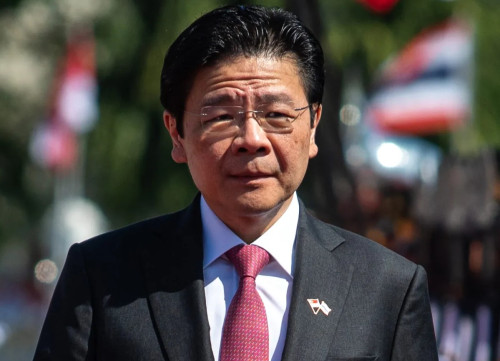
In a Bernama exclusive today, Federation of Malaysian Manufacturers (FMM) President Tan Sri Soh Thian Lai, was quoted saying that manufacturers are already grappling with a multitude of cost increases, including a significant 14.2 per cent rise in electricity base tariff rates under Regulatory Period 4 (RP4) from July 2025.

This, he said, would place additional strain on business operations.
"A deferred implementation would provide businesses with essential breathing room to better navigate these financial challenges," Soh told Bernama.
The government announced on 3 February that the EPF contribution for foreign workers would be set at two per cent for both employees and employers—lower than the mandatory rates for Malaysian workers and permanent residents, which are set at 11 per cent for employees and between 12-13 per cent for employers.
Soh urged the government to engage in consultations with the private sector before implementing future policy changes, especially adjustments to the contribution rates that would particularly affect industries heavily reliant on foreign labour.
He stressed the need for clear and transparent guidelines concerning the mechanics of the contribution scheme, its integration with existing social security systems, and potential future refinements to ensure a seamless transition for all involved parties.
In addition, Soh expressed hope that if the policy is implemented, the government would maintain the two per cent rate for a reasonable period to offer businesses cost certainty, thus providing industries ample time to adapt and plan their workforce strategies.
Rising Costs May Lead to Price Hikes for Consumers
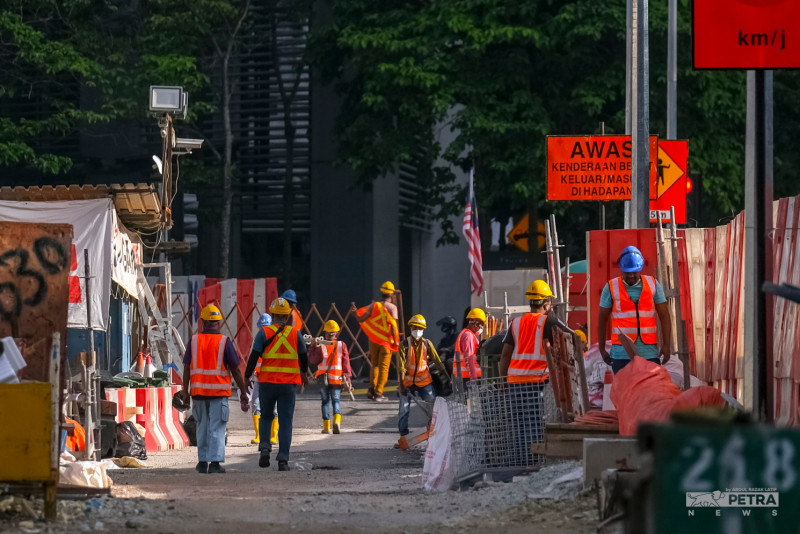
Associate Professor Dr Aimi Zulhazmi Abdul Rashid, an economic analyst from UniKL Business School, warned that the additional cost burden would have a significant impact on industries relying heavily on foreign workers, including construction, food and beverage, transportation, logistics, and plantations.
With the minimum wage already increased to RM1,700 from RM1,500 in February, businesses are being forced to reassess their financial structures, and may pass these rising costs onto consumers through higher prices for goods and services.
He emphasised that small and medium enterprises (SMEs) would be the hardest hit, as they already face considerable financial strain.
"The survival of these businesses is at risk, and they will likely pass on the added costs to consumers through price hikes. This could also lead to an increase in the number of illegal workers, as some employers may be unwilling to bear the mounting financial burden of levies, minimum wages, and EPF contributions," Bernama quoted him saying.
Economist: EPF Contribution Will Have Little Impact on Economy
In contrast, economist Dr Geoffrey Williams argued that the two per cent EPF contribution would have minimal impact on local businesses or the economy at large.
He explained that while the contribution could generate approximately RM800 million for the EPF, this figure represents only 0.64 per cent of the fund's total size—a relatively small increase when compared to overall investments, particularly when accounting for management fees.
"The contribution is essentially a transfer of funds from companies and foreign workers into the EPF, without generating any additional money or net returns. Therefore, it will not help close the wage gap between local and foreign workers," Williams noted.
However, he acknowledged that the reform is a positive step, recognising that it reflects the government's responsiveness to employers' concerns and demonstrates appropriate adjustments to the policy. - March 23, 2025