KUALA LUMPUR City Hall (DBKL) has successfully saved 11,482.89kg of surplus food during this year’s Ramadan bazaars, as part of its Zero Waste initiative, contributing to a significant reduction in food waste.
The effort, which aims to tackle food wastage and promote recycling, saved food valued at RM139,576.69 and helped reduce 532.28kg of carbon dioxide emissions. A leading English news daily cited today.
DBKL highlighted the success of the programme in a Facebook post, revealing that the saved food was redistributed to those in need, while 11,990kg of food waste was sent to composting centres.
Additionally, 24,061kg of non-food waste was recycled through the Food Waste Separation Programme, which forms a central part of their broader sustainability efforts.
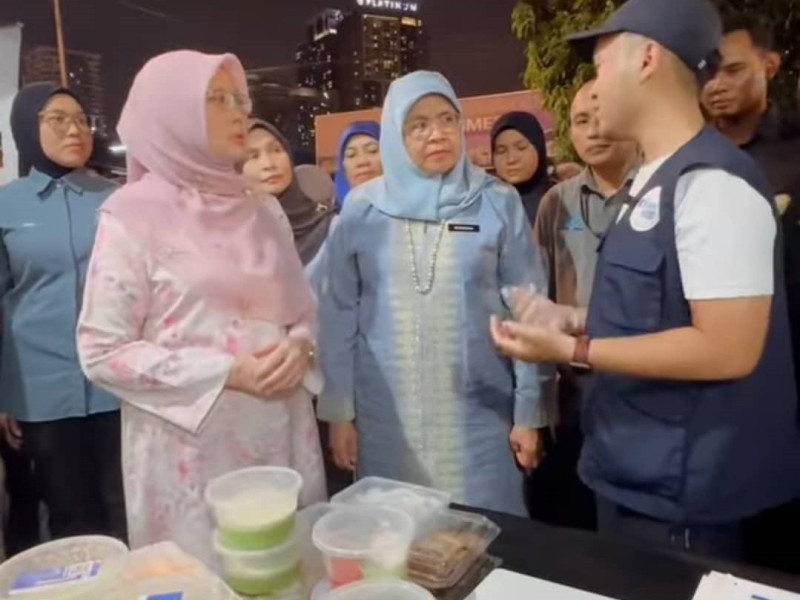
Minister in the Prime Minister’s Department (Federal Territory) Datuk Seri Dr Zaliha Mustafa and Kuala Lumpur Mayor Datuk Seri Maimunah Mohd Sharif visited the Jalan Raja Alang Ramadan bazaar in Kampung Baru yesterday to observe the progress and impact of the programme firsthand.
The MySaveFood programme, which DBKL implemented in partnership with Pertubuhan Pemuda Gema Malaysia, SWCorp, and local bazaar traders, has set a target to save 10,000kg of surplus food from being discarded.
This food was redistributed to support the underprivileged, further reducing waste management costs and preventing excess food from ending up in landfills.
Spanning from March 5 to 26, the MySaveFood initiative was rolled out across 12 strategically chosen Ramadan bazaar sites in Kuala Lumpur, including locations at Jalan Wangsa Delima, Sri Rampai, and Jalan Raja Alang.
DBKL emphasised that the primary goal of the Food Waste Separation Programme is to reduce organic waste directed to landfills.
This aligns with their long-term objective of achieving a "Zero Waste" city by 2040.
"With initiatives like this, it not only reduces the amount of waste sent to landfills, but it also contributes to a more sustainable and eco-friendlier urban environment," DBKL added. – March 25, 2025