THE expanded Sales and Service Tax (SST), which took effect on 1 July 2025, is expected to generate RM5 billion in additional revenue for the government this year, according to the Ministry of Finance.
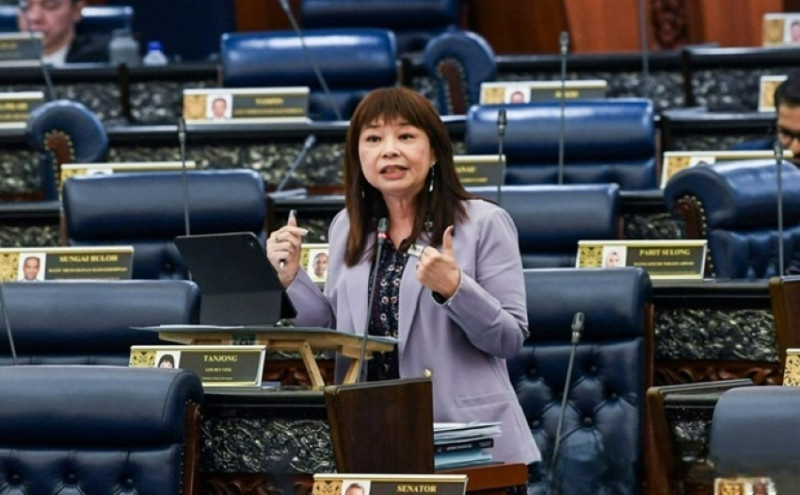
Responding to a question from Senator Datin Hajah Ros Suryati Alang in the Dewan Negara on Tuesday, the Deputy Finance Minisster Lim Hui Ying stated that it is still too early to determine the full impact of the revised SST on households.
However, preliminary projections suggest that the effects on the average household remain minimal and manageable.
“The estimated impact on households is low and under control,” she said. “This is because various exemptions and relief measures have been introduced to ensure the tax burden is distributed fairly, and borne by those with the capacity to do so.”
The Deputy Minister emphasised that the approach is consistent with the principles of social and fiscal justice outlined in the MADANI Economy framework, which prioritises citizen wellbeing and long-term national sustainability.
Among the safeguards implemented are tax exemptions on essential goods such as staple food items, medicines, books, and machinery for agricultural and livestock industries. Higher SST rates of 5% or 10% apply only to discretionary or non-essential goods.
Additionally, basic services including core banking, residential rental services, and construction for housing are exempted from the service tax. The revised SST also targets higher-income consumers by applying service tax to commercial activities such as private school fees exceeding RM60,000 annually.
To avoid tax cascading, further exemptions have been granted to selected services and businesses. High registration thresholds have also been set for new taxable services: RM1 million annually for leasing services and RM1.5 million for private healthcare and construction.
Hui Ying said that the additional SST revenue, together with prudent and optimised public spending, has helped strengthen the nation’s fiscal position. “This enables the government to fund both operational and development expenditures without significantly increasing borrowing.”
In turn, this improved revenue base has allowed the government to continue funding targeted subsidies and social support measures, including the Sumbangan Asas Rahmah (SARA) and Sumbangan Tunai Rahmah (STR) programmes, aimed at easing the cost of living for vulnerable groups. - August 26, 2025



.jpeg)