MALAYSIA could adopt nuclear energy within the next 10 to 15 years, subject to Cabinet approval, according to Deputy Prime Minister and Minister of Energy Transition and Water Transformation (PETRA), Datuk Seri Fadillah Yusof.
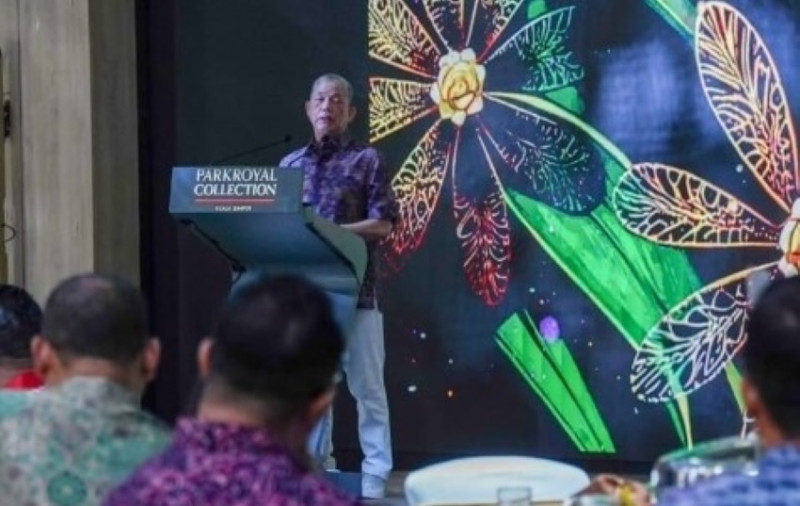
Speaking at PETRA’s 2025 media engagement session in Kuala Lumpur, Fadillah said nuclear power is being explored as a long-term solution to energy security and to meet the growing demands of energy-intensive sectors such as artificial intelligence and data centres.
“MyPower has been appointed to manage legislation, public engagement and ensure we have the right technology and skilled manpower,” he said. “Studies have been completed and submitted to the government, with international collaboration. If approved, implementation will take between 10 and 15 years.”
Fadillah noted that nuclear energy has gained international recognition as a clean and dependable power source, and was endorsed at the recent Asia-Pacific Economic Cooperation (APEC) Energy Ministers’ Meeting.
“In terms of safety, many nuclear plants have advanced significantly from the second to the third generation — whether in technology, safety, environmental standards or global acceptance,” he said.
“Several Asian countries, including Singapore, Vietnam, Indonesia, the Philippines and Thailand, have already agreed to assess nuclear power as part of their future energy mix.”
Malaysia is currently one of 23 countries considering nuclear energy. A National Pre-Feasibility Study, completed in 2024, confirmed the technology’s technical viability and outlined 22 strategic recommendations.
Through its agency MyPower, PETRA is now undertaking in-depth assessments covering regulatory frameworks, site selection, commercial and technical viability, industry development, stakeholder engagement and talent cultivation.
Malaysia will also engage the International Atomic Energy Agency (IAEA) through the Integrated Nuclear Infrastructure Review (INIR), an independent evaluation based on the IAEA’s Milestones Approach.
“With the right infrastructure, laws, financing strategy and skilled workforce, nuclear can support our Net Zero Emission 2050 target,” Fadillah said.
He also emphasised the need to modernise the national electricity grid to manage increased reliance on renewable sources, particularly solar power, citing instability issues experienced in Spain and Vietnam.
“When there is intense sunlight, energy production spikes and our grid becomes unstable. This has happened in Spain and Vietnam, where blackouts occurred,” he explained. “That is why the government is studying ways to strengthen the grid and move towards a smart grid that is more efficient in storing, using and monitoring energy.”
He also highlighted the Malaysia Energy Literacy Programme (MELP), developed in collaboration with the Energy Commission, Sustainable Energy Development Authority (SEDA), MyPower and other agencies. Malaysia’s first energy literacy website, launched on 2 September 2025, has been integrated with the Ministry of Education’s DELIMa platform, reaching over 400,000 teachers and four million students.
Fadillah noted that Malaysia is among the first ASEAN nations to issue guidelines for Battery Energy Storage Systems (BESS), enabling solar generation to exceed the current 6,000MW limit. The initiative is expected to deliver RM90 million in savings while deferring major transmission infrastructure investment.
Since 2023, PETRA has also introduced new regulatory frameworks covering electric vehicle charging infrastructure, domestic electrical wiring and LPG safety standards.
Turning to the water sector, Fadillah reaffirmed Malaysia’s leadership in Integrated Water Resources Management (IWRM) and its commitment to the Water Transformation Roadmap 2040 (AIR 2040), which aligns with the Malaysia MADANI vision and the United Nations Sustainable Development Goals, particularly SDG 6 (Clean Water and Sanitation) and SDG 17 (Partnerships for the Goals).
“Media are strategic partners in disseminating government policies and infrastructure developments in energy and water sectors,” said Fadillah. “I hope the relationship between PETRA and the media continues to grow stronger for the benefit of all Malaysians.”
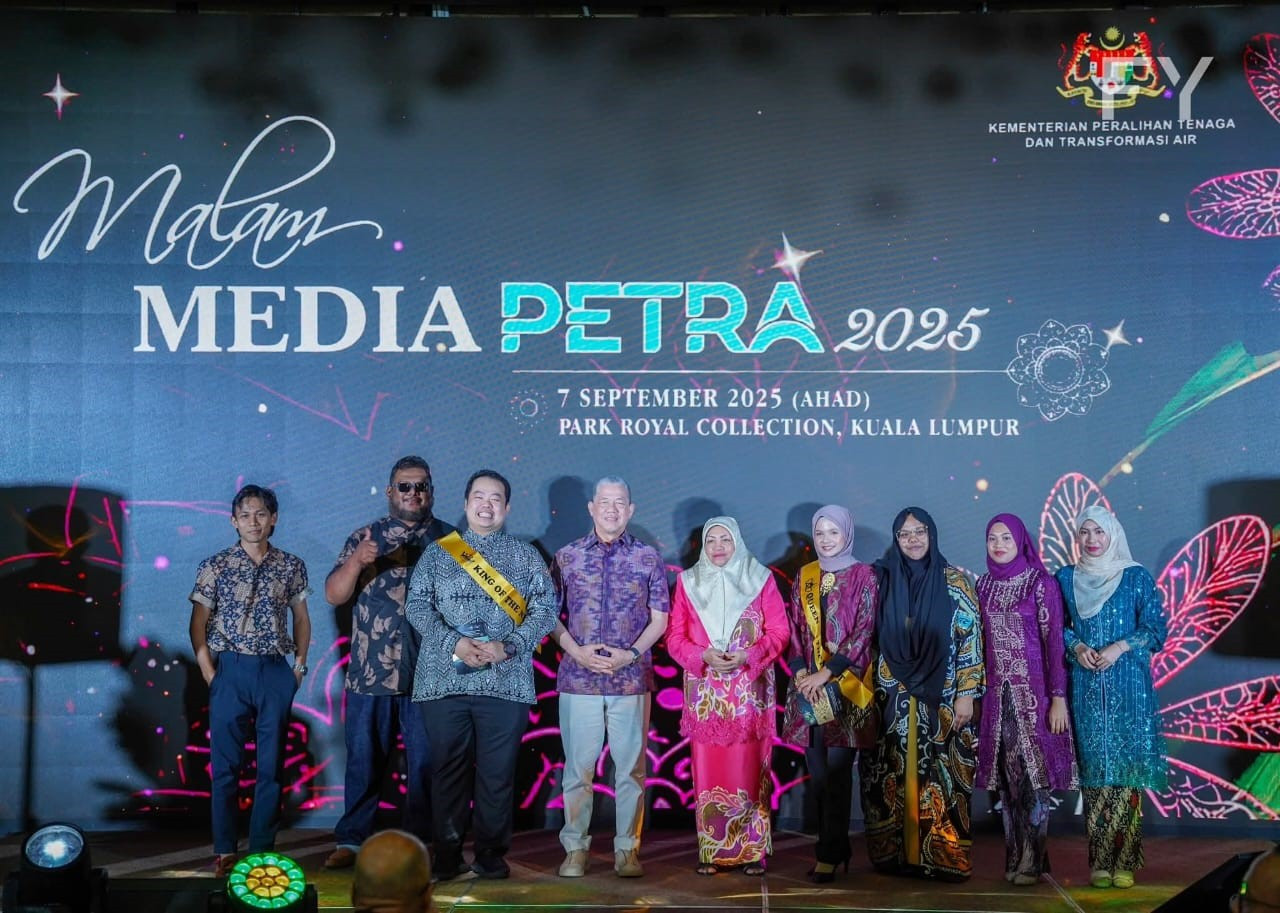
Among those in attendance were PETRA Deputy Minister Akmal Nasrullah Mohd Nasir, Deputy Secretary-General (Water) Datuk Mohd Rodzwan Baba Sakri, Media Prima Berhad Deputy Group Managing Editor and New Straits Times Group Editor Farrah Naz Karim, and Berita Harian Group Editor Zulkifli Jalil.
The session concluded with an interactive quiz, with media representatives winning electrical appliances for correctly answering questions on PETRA’s initiatives. - Sept 8, 2025


.JPG)