THE Federal Government has reaffirmed its commitment to narrowing Sabah’s regional development disparities under the 13th Malaysia Plan (13MP), describing the blueprint as a “living commitment” to inclusive and resilient growth.
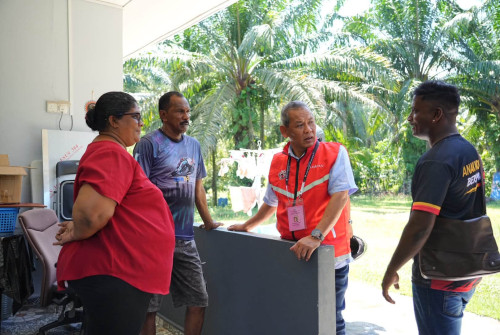
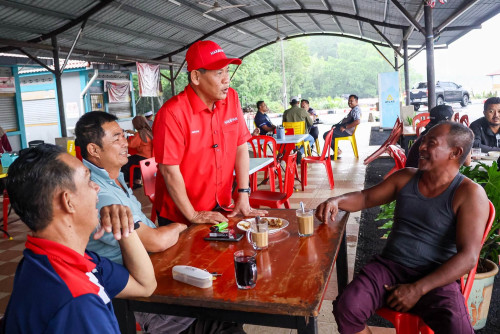
Speaking in Tawau during the final leg of the 13MP Borneo Engagement Tour, Deputy Economy Minister, Datuk Hanifah Hajar Taib, said the plan is more than a policy document—it is a promise to deliver tangible improvements to the lives of Sabahans, particularly across the East Coast.
“RMK13 is not merely a document—it is a promise to ensure Sabah becomes more prosperous, that the people live better lives, and that opportunities are fairly distributed,” she said in a release by the ministry on Fridaay.
The plan, passed by both Houses of Parliament, aligns with the government’s MADANI vision and economic framework spearheaded by Prime Minister Datuk Seri Anwar Ibrahim.
“Among the new concepts introduced under the 13MP are the MADANI Social System, MADANI Citizens, and a nation shaped by Artificial Intelligence,” said Hanifah. “Its theme, ‘Reshaping Development’, reflects our shared aspiration to build a more structured, inclusive and sustainable future.”
Under the preceding 12MP, Sabah recorded an average annual economic growth of just 2 per cent—lagging far behind the national average of 5.2 per cent.
The 13MP targets annual growth of 5.8 per cent through focused investment in sectors such as agriculture, agro-commodities, fisheries, eco-tourism and digital infrastructure.
Four East Coast districts—Tawau, Semporna, Lahad Datu and Kalabakan—will receive particular attention due to their strategic importance, said Hanifah.
Tawau is earmarked to become a trade and services hub; Lahad Datu will enhance its role in the palm oil and logistics sectors; Semporna is to be developed as a marine tourism and coral reef conservation hotspot; while Kalabakan is positioned to emerge as a border trade gateway to Indonesia’s new capital, Nusantara.
“These four areas will receive special attention under 13MP as part of broader efforts to reduce inter-regional development gaps and enhance quality of life across Sabah,” Hanifah said.
She stressed that infrastructure development—including roads, utilities and digital connectivity—remains a central priority, in line with the United Nations’ Sustainable Development Goals.
“Planning without proper execution is just a dream. We must ensure every project is implemented well, every sen spent benefits the rakyat, and every Sabahan feels the impact of development,” she urged.
The engagement concluded with a presentation by Mohd Farid Mohd Arif, Director of the Knowledge Economy Division, Ministry of Economy.
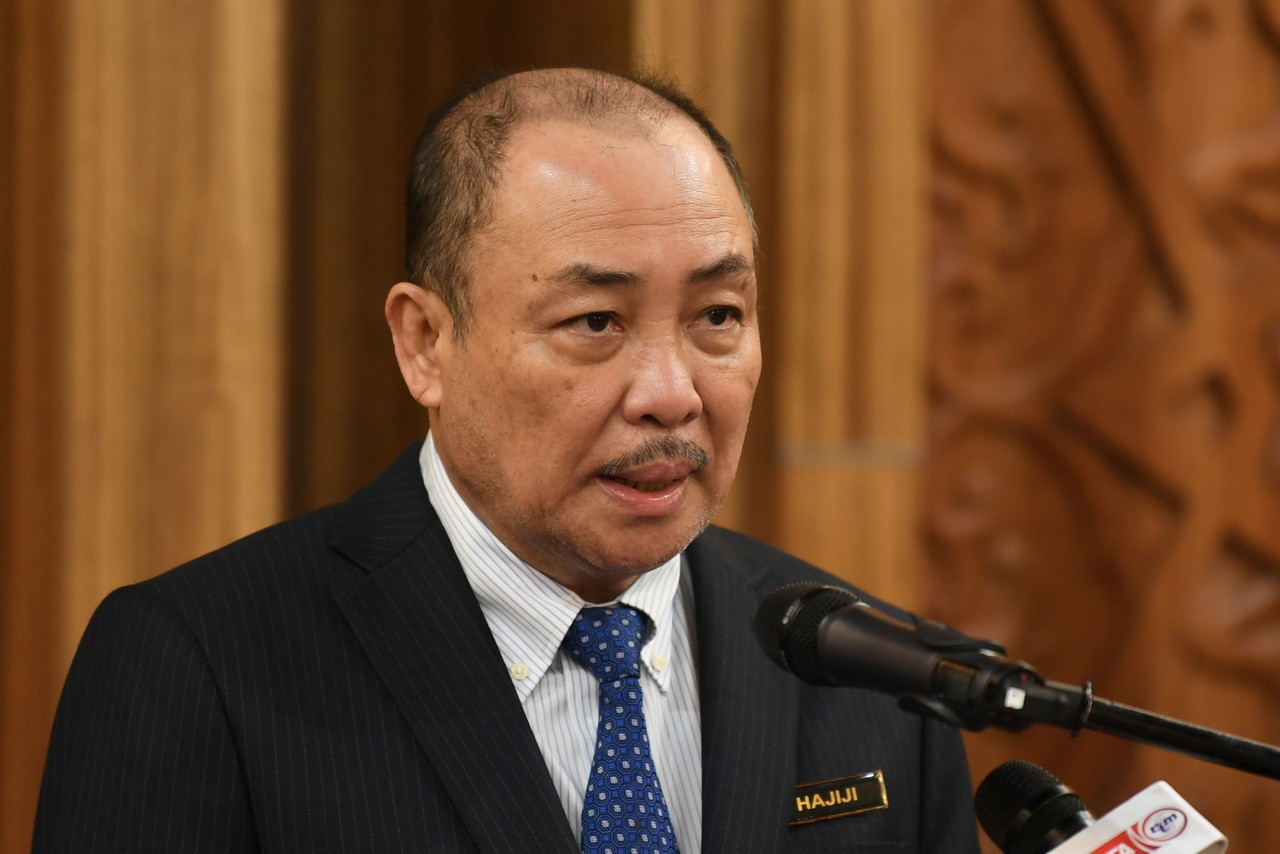
Separately, in Kota Kinabalu, Sabah Chief Minister Datuk Seri Hajiji Noor voiced confidence that the RM4.2 billion Jesselton Docklands project would serve as a powerful driver of economic transformation for the state.
Positioned on 35 acres of prime seafront land, the project is expected to catalyse job creation, attract investment, stimulate tourism and generate positive economic spillovers across construction, retail, food and beverage, and services.
“It will transform the city’s waterfront into a modern, vibrant and sustainable urban precinct,” Bernama cited him saying in a speech delivered on his behalf by Sabah Finance Minister Datuk Seri Masidi Manjun at the project’s ground-breaking ceremony.
He extended appreciation to Suria Capital Holdings Berhad and its wholly-owned subsidiary, Sabah Ports Sdn Bhd, for their strategic vision in unlocking the potential of the iconic port site.
“Since the relocation of container operations to Teluk Sapangar in 2007, Suria Capital has strived to realise the immense opportunity presented by this waterfront area. The company has played a pivotal role in reshaping the identity of our capital city,” he said.
“What was once a working port is now evolving into a thriving hub of commerce, tourism, culture and lifestyle.”
The site redevelopment includes the relocation of the main passenger terminal to a temporary facility at South Jetty, paving the way for a future international ferry terminal, which will complement the planned International Cruise Terminal under the Jesselton Docklands master plan.
“This enhanced infrastructure will strengthen Kota Kinabalu’s position on the global map as a premier cruise and ferry gateway, reinforcing Sabah’s reputation as a world-class tourism destination,” said Hajiji.
Developed in collaboration with BEDI Development, the project will feature an international cruise terminal, hotel, residences, cultural precinct and commercial zones.
The transformation is set to accelerate further with Phase Two of Suria’s joint venture with SBC Corporation Berhad through the development of Jesselton Quay.
Ultimately, the coastal city is expected to host major assets such as the Sabah International Convention Centre, the Kota Kinabalu Convention Centre, and the future International Cruise Terminal.