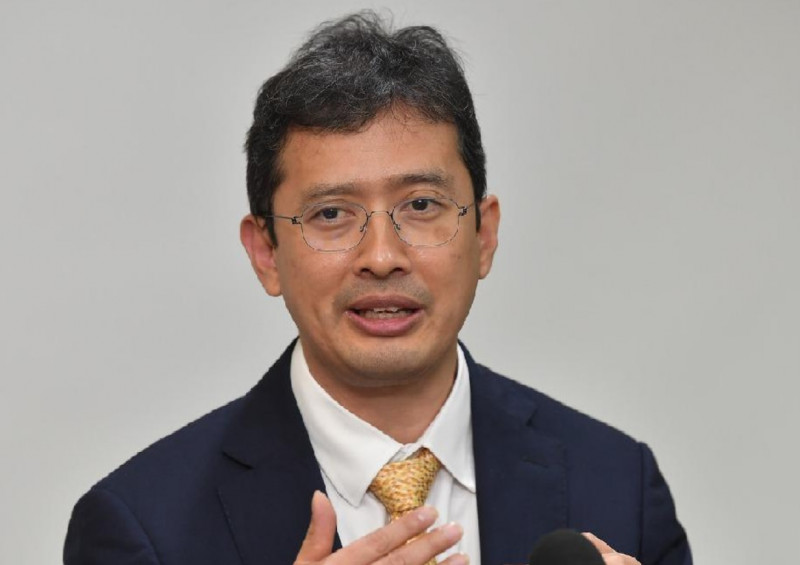
THE 300-litre monthly petrol subsidy limit provided under the Budi Madani RON95 (Budi95) programme is more than adequate for normal personal use, according to Treasury secretary-general Datuk Johan Mahmood Merican.
Citing government data, Johan said that 95 per cent of Malaysians consume less than 180 litres of petrol monthly, with the national average sitting at approximately 80 litres per person.
“Actually, individual Malaysians only use an average of around 80 litres per month. As of now, the data that we have shows [the quota] is sufficient, but we will continue to monitor the situation,” he told Bernama in an exclusive interview.
He added that based on the actual usage data for the first two weeks of October 2025, less than 0.1 per cent of eligible Malaysians had fully used their 300-litre monthly quota, making it too early to conclude that the limit was insufficient.
Johan also cautioned that increasing the quota could result in a rise in leakages such as smuggling, especially in border areas.
“When analysed, those who had fully utilised their quota already included those filling up in border states. Out of those who have utilised the 300 litres, there were more than eighty individuals who, despite only holding a motorcycle licence, had already finished their 300 litres quota — which implied that they were using their motorcycles more than 500km every day in these first two weeks of October,” he said.
The Budi95 programme, launched in phases from 27 September 2025, allows Malaysians aged 16 and above with a MyKad and an active driving licence to purchase RON95 petrol at RM1.99 per litre, up to a limit of 300 litres per month.
Johan reported that Budi95 has so far performed well, with nearly three million daily transactions and over 12 million Malaysians purchasing subsidised fuel using the system.
Savings for national development and welfare
Johan also emphasised that the estimated RM2.5 billion in fiscal savings generated from the rationalisation of the RON95 fuel subsidy under Budi95 will be redirected towards national development projects and welfare initiatives.
He stressed that the shift to targeted subsidies is not a cost-cutting measure, but rather a strategic move to ensure public funds are used effectively for priority sectors.
“Out of 18 billion litres that are consumed yearly, there are close to four billion litres that are not consumed by households, presumably either by companies, foreigners or maybe some portion that gets smuggled around,” he said.
He explained that 78 per cent of RON95 consumption comes from households, with the remaining 22 per cent — approximately four billion litres — forming the basis for potential savings.
At current oil prices of around US$60 per barrel, the government expects to save approximately RM2.5 billion annually.
Johan added the targeted subsidy approach demonstrates responsible fiscal governance and boosts investor confidence, while also ensuring that adequate fiscal support remains in place to sustain economic momentum.
“The government is balancing between responsible fiscal management and ensuring that there is sufficient fiscal support to the economy, in order to support the momentum of economic growth, generate business opportunities and help provide jobs and income opportunities for the rakyat,” he said. - October 19, 2025