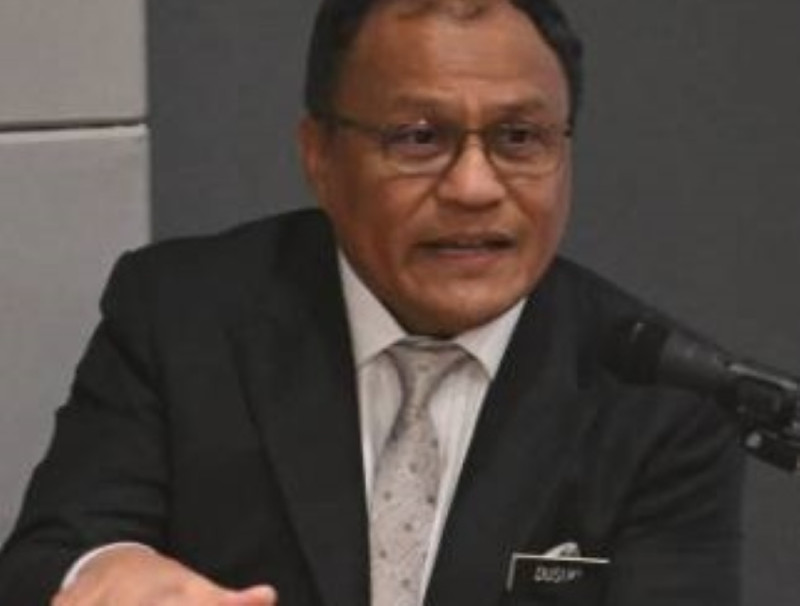
THE Attorney-General, Tan Sri Mohd Dusuki Mokhtar, has clarified that the decision to acquit or discharge any accused person lies entirely with the courts and should not be construed as reflecting the policy of the Attorney-General’s Chambers (A-GC).
He said each case is determined according to its individual facts and circumstances, with outcomes depending on the strength of evidence presented before the court.
“The perception that the acquittal or discharge of any accused person is linked to A-GC policy is inaccurate. It is not a policy of the A-GC. Every ruling made by the court is based on the merits of the individual case. Each case has its own facts and context, which may differ from others,” he told *Berita Harian.*
Mohd Dusuki explained that the merits of a case refer to its substantive strengths or weaknesses based on facts and law, rather than on procedural or technical grounds.
His remarks followed a Berita Harian report quoting Seputeh member of parliament Teresa Kok, who had questioned the A-GC’s approach in corruption cases where accused persons were released after paying compounds.
She cited the case of Bersatu Segambut deputy chief Adam Radlan Adam Muhammad, who was discharged and acquitted after paying a RM4.1 million compound on 18 August, despite facing 12 charges of corruption and money laundering.
Kok contrasted that outcome with the ongoing corruption trial of former Penang chief minister Lim Guan Eng, which has continued for five years. She also questioned the lack of prosecution in another case involving an elected representative and his aide allegedly found with hundreds of millions of ringgit at a single residence — funds that were later returned to the government.
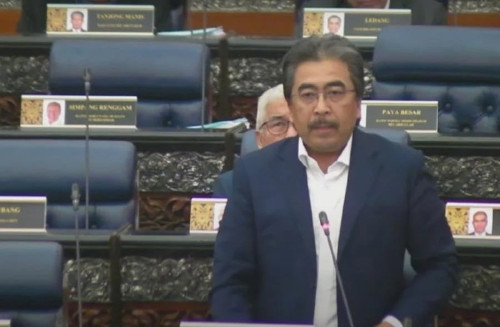
The issue surfaced after Minister in the Prime Minister’s Department (Law and Institutional Reform) Datuk Seri Azalina Othman Said informed the Dewan Rakyat that Adam Radlan’s acquittal followed the prosecution’s decision to withdraw the charges.
Azalina added that while the Malaysian Anti-Corruption Commission’s deputy public prosecutor had applied for a discharge not amounting to an acquittal (DNAA), the court instead ruled for a full discharge and acquittal after hearing submissions from both sides. - November 7, 2025