THE nation’s quest to establish a domestic rare earth elements (REE) industry is being hampered by a lack of local expertise, commercial-scale technology, and comprehensive data on the nation’s reserves, the government has confirmed.
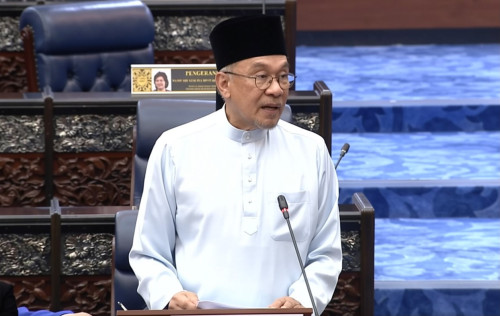
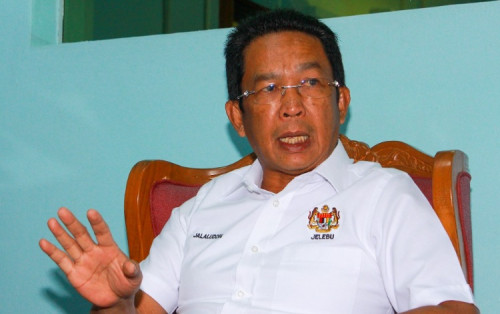
Minister of Plantations and Commodities, acting as Minister of Natural Resources and Environmental Sustainability, Datuk Seri Johari Abdul Ghani told the Dewan Rakyat today that while Malaysia possesses substantial REE resources, the country remains dependent on foreign technologies for processing, as no commercial-scale facilities exist domestically.
“Malaysia still does not have processing plants capable of separating high-value REE on a commercial scale.
“At the same time, the global value chain for REE processing and separation is dominated by China, including control over export technologies.
“These constraints make it challenging for Malaysia to develop the full value chain, from mining and processing to the production of value-added products,” he said in response to a question from Kubang Pasu MP Datuk Dr Ku Abd Rahman Ku Ismail on the challenges facing the national REE sector.
Johari also noted the absence of detailed data on the location, quantity, grade, and land-use status of REE deposits, which complicates strategic planning. In response, the government has outlined a phased approach to industry development.
The short-term plan, spanning 2025 to 2027, will focus on maintaining the moratorium on raw material exports and establishing processing facilities, followed by medium-term measures from 2027 to 2030 and long-term strategies beyond 2030.
Johari emphasised that these steps are vital to fully harness Malaysia’s REE potential, estimated at RM747 billion.
Reaffirming national sovereignty, Johari stressed that Malaysia would not permit any bilateral trade agreements, including those with the United States, to create opportunities for foreign exploitation or neocolonial control of the country’s resources.
“Investors are welcome, but they must comply with the processes established by the government. It is not enough to deal solely with the federal government because these reserves belong to the State governments,” he said, addressing concerns raised by Pasir Gudang MP Hassan Karim about foreign exploitation.
Johari added that the federal government retains authority over environmental impacts and the export of raw REE materials, ensuring domestic downstream industrial development is safeguarded.
Investors are required to submit detailed information on project locations, job creation, state taxes, and corporate tax commitments before approval can be granted.
“These processes and prerequisites allow us to safeguard our rights as a sovereign nation,” Johari added. - November 19, 2025