KOTA KINABALU – Sabah Agriculture and Fisheries Ministry is monitoring the status of imported meat into the state due to growing concerns over tainted halal certified products in Malaysia.
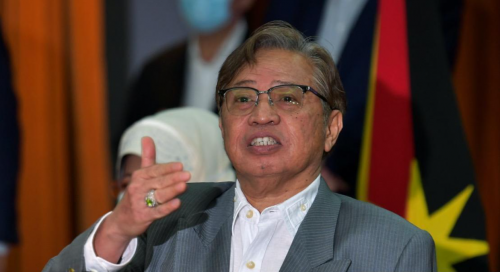
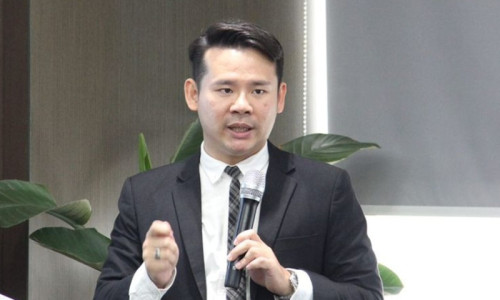
Deputy Chief Minister II Datuk Seri Jeffrey Kitingan said he is aware that Sabahans are worried about whether the meat cartel is active in the state.
“The situation in Sabah is a little different because Sabah has the authority to regulate the import and export of animals and animal products under the Animal Enactment 2015.
“Sabah has also been foot-and-mouth disease (FMD) free since May 2004.
“This status means we has tougher requirements on imports of animal and animal products in order to maintain our FMD-free status, as recommended by the World Organisation for Animal Health (OIE),” he said in a statement today.
Kitingan said this in response to concerns over a syndicate that has been importing frozen meat from non-halal certified slaughterhouses in China, Ukraine, Brazil and Argentina.
The products were later repackaged with halal labels at a warehouse in Senai, Johor.
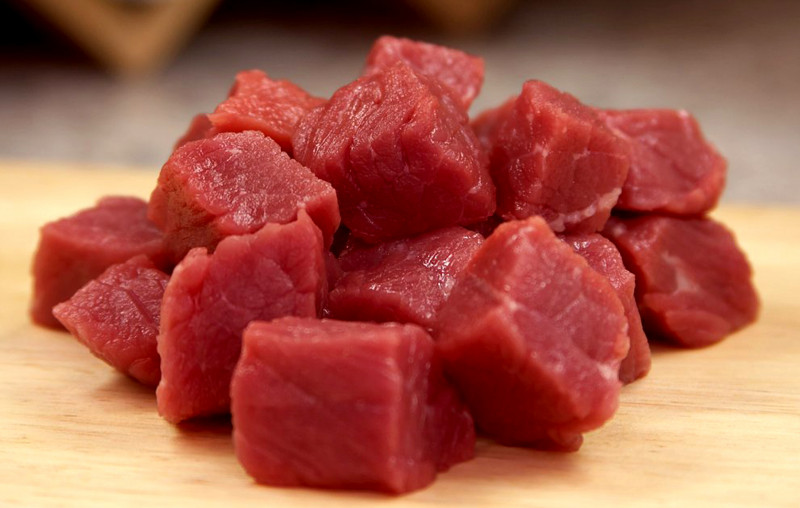
Sabah relies on frozen meat imports as the state only produces 10% of its meat demand.
However, he assured imports are strictly regulated to preserve the state’s FMD-free status.
“Sabah imports only meat from OIE-certified, FMD-free countries. At the very least, the animal must be sourced from countries with OIE-certified, FMD-free facilities.
“Currently, we only import meat from Australia and New Zealand, as well as a special facility (Allana) in Aurangabad, India, that produces frozen buffalo meat to meet high meat quality requirements.”
He added that Sabah only imports meat from premises registered under the list of overseas abattoirs approved by a central agency, which included the Malaysian Veterinary Services Department (DVS), Islamic Development Department of Malaysia (Jakim) and the Health Ministry.
This list is publicly available on the Department of Veterinary Services (DVS) Malaysia website. However, not all approved premises are allowed to import meat into Sabah as they are still subject to the FMD-free regulations.
“Any organisation interested in importing meat may apply, but it must have a cold storage facility approved by the Sabah DVS,” he said.
There are 16 companies with cold rooms approved by the state veterinary department at present.
Sabah imports beef from Australia and New Zealand, buffalo meat from India, and chicken wings and other chicken parts from the Netherlands and Denmark.
However, chicken wings and chicken parts imports are temporarily suspended due to the high occurrence of avian influenza in the Netherlands and Denmark.
The current procedure requires the customs department to refer to the state DVS when importing products.
Before the imported meat is cleared for release, the Sabah DVS will conduct document verification. If suspicious activity is detected, the department detains the imports for investigation.
Physical examination is then done by the Sabah DVS enforcement team at the companies’ cold room premises.
“Sabah only allows direct shipment to its ports or airports from the countries it imports meat from.
“If transhipments are necessary, strict requirements shall be imposed on the consignment. For example, seals from the original countries must not be tampered with in any way.
“The ministry, through the Sabah DVS, is confident that the state is free from such scandals as the meat cartel. We are confident of the wholesomeness of the meat found in Sabah because we do not allow raw meat to be brought into Sabah from Peninsular Malaysia.
“That being said, if the public has any information about meat smuggling in Sabah, please do not hesitate to report to the Sabah DVS.
“The government will not hesitate to immediately launch an investigation, enforce the law, and bring all those responsible to justice,” he said. – The Vibes, December 29, 2020