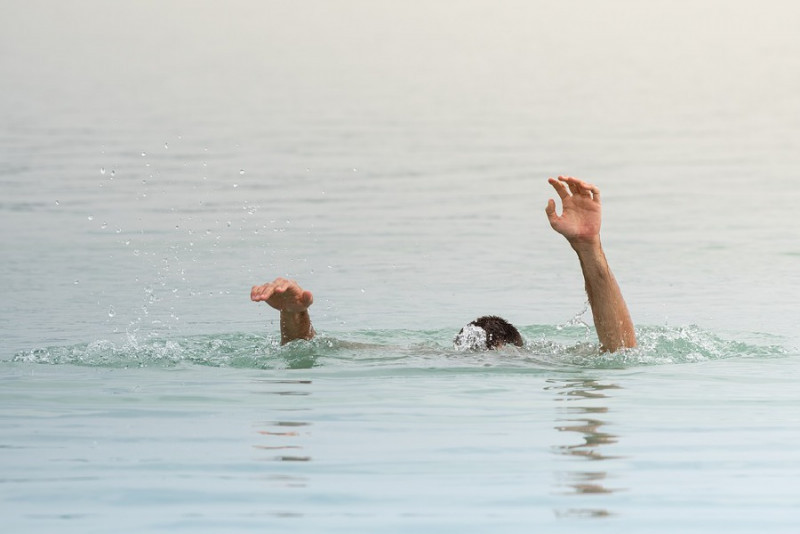
AUTHORITIES have recorded an average of one drowning incident involving children or teenagers every three days over the past five years, highlighting a continuing public safety concern, according to data from the Fire and Rescue Department (JBPM).
The statistics show that 619 emergency calls involving drowning incidents among children and adolescents were recorded between 2021 and April this year, reflecting a persistent pattern of water-related tragedies across the country.
Fire and Rescue Department director-general Datuk Seri Nor Hisham Mohammad said the trend demonstrated the urgent need to strengthen water safety awareness to prevent avoidable fatalities.
“The highest number of cases was recorded in 2023 with 139 cases, followed by a slight decline to 122 cases in 2024 and 108 cases in 2025,” he said.
“For the first quarter of this year, 38 cases have already been reported, showing that these incidents are still occurring and require serious attention from all parties.”
According to JBPM, rivers and drainage channels accounted for the majority of cases, with 364 incidents or 58.8 per cent. Beaches recorded 150 cases (24.2 per cent), followed by waterfalls or rapids with 50 cases (8.1 per cent), and lakes or mining ponds with 44 cases (7.1 per cent). A further 11 cases (1.8 per cent) involved drownings in drainage or sewage channels.
By state, Sabah recorded the highest number of incidents at 99 cases (16.2 per cent), followed by Kelantan with 95 cases (15.6 per cent), Sarawak with 82 cases (13.4 per cent), and Johor with 78 cases (12.8 per cent).
Nor Hisham said the data also challenged the common perception that drowning incidents occur mainly during school holidays.
“Instead, most cases occur on weekdays, which account for 216 incidents or 35 per cent of the total,” he said, adding, weekends recorded 186 cases (30 per cent), while school holidays accounted for 112 cases (18 per cent).
He said this showed that drowning risks were more closely linked to supervision and daily routines than seasonal factors alone.
The data also showed that teenagers aged 13 to 18 accounted for the highest proportion of victims, with 334 cases or 54 per cent of the total.
“This age group is the most at risk, possibly due to group recreational activities, higher confidence levels and a tendency to take risks without adult supervision,” he said.
Primary school-aged children between seven and 12 years old accounted for 218 cases (35 per cent), making them the second most affected group. Younger children aged four to six recorded 33 cases (5.4 per cent), while infants and toddlers aged one to three accounted for 34 cases (5 per cent).
Nor Hisham said although lower in number, these younger age groups remained highly vulnerable due to their dependence on adult supervision and lack of awareness of water hazards.
He stressed that prevention efforts must be carried out continuously throughout the year and not limited to school holiday periods. “Parental awareness, caregiver supervision and community responsibility are essential to ensure children’s safety around water,” he said.
“Early education on drowning risks must be strengthened to reduce preventable loss of life.” - June 27, 2026