AS Malaysia steps into 2026, a sweeping suite of new regulations and initiatives is set to take effect on 1 January, covering public conduct, online safety, civil service remuneration, youth leadership, tax digitisation, and tourism development.
These reforms underscore the government’s commitment to improving social standards, modernising governance, and stimulating the economy.
A cornerstone of the upcoming legal changes is the enforcement of the Solid Waste Management and Public Cleansing (Amendment) Act 2025, which introduces tougher penalties for littering in public spaces.
Offenders, including foreigners, will face fines of RM2,000 and mandatory community service of 12 hours within six months.
Simultaneously, the Online Safety Act (Act 866) will be enacted to strengthen oversight of harmful online content.
Social media and messaging platforms with over eight million Malaysian users will no longer need to apply for operational licences, though they remain fully accountable under national law.
The legislation aims to curb online crimes, including fraud, misinformation, fake accounts, and offences involving children.
Communications Minister Datuk Fahmi Fadzil highlighted the introduction of a regulatory “sandbox” to trial digital child protection and user safety measures prior to nationwide enforcement.
The initiative will involve the Malaysian Communications and Multimedia Commission (MCMC) and selected online platforms, allowing stakeholders to test technologies and regulatory approaches in a controlled environment before full deployment.
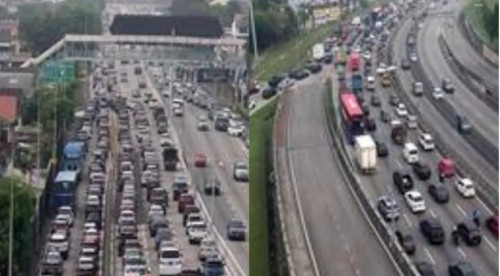
Traffic enforcement procedures are also set to change, with the Ministry of Transport standardising fine structures between the Road Transport Department (JPJ) and the Royal Malaysia Police (PDRM).
Fines will be discounted by 50 percent if paid within 15 days, 33 percent for 16–30 days, and charged at the full rate for 31–60 days. Legal action or blacklisting will apply to payments exceeding 61 days.
Youth policy reforms will lower the maximum age for youth from 40 to 30 years and set the age range for leaders of youth organisations at 18–30 years, with a four-year term limit for heads of such organisations.
Civil servants will see their remuneration adjusted under Phase 2 of the Public Service Remuneration System (SSPA) from 1 January.
Senior management and professional staff will receive a three percent increase, while executive-level employees will see a seven percent rise, with payments scheduled for 22 January 2026.
Tax digitisation will advance with the mandatory rollout of e-Invoicing for businesses with annual revenue between RM1 million and RM5 million.
Smaller companies, below RM1 million in turnover, will be gradually included in the system, while those under RM500,000 remain temporarily exempt, with certain implementation timelines adjusted to ensure a smooth transition.
The tourism sector is poised for revitalisation with the launch of Visit Malaysia Year 2026 (VMY2026), aiming to leverage recovering global travel demand and regional mobility. The initiative targets 26.1 million international arrivals and domestic spending of RM97.6 billion, positioning tourism as a primary driver of economic growth.
The government has allocated RM350 million to promotional campaigns and activities to re-establish Malaysia as a premier travel destination.
Taken together, these measures reflect a proactive strategy by the Malaysian government to strengthen regulatory frameworks, safeguard public welfare, modernise digital governance, support civil servants, and boost the tourism sector as the country enters 2026. - December 29, 2025