THE Ministry of Agriculture and Food Security (KPKM) will spearhead a strategic “Reverse Investment” approach this year to protect and guarantee the supply of critical food commodities, in response to increasingly challenging global conditions.
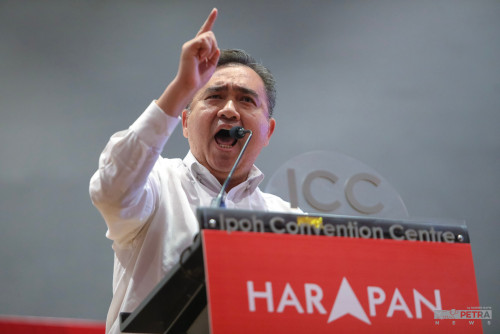
Minister Datuk Seri Mohamad Sabu described the initiative as a proactive measure to stabilise the country’s food supply chain and reduce reliance on international sources.
“Based on current realities, the government can no longer operate reactively or adopt short-term solutions. Instead, we must implement strategic mitigation measures,” he said during the 2026 Ministry Mandate speech today.
The minister identified key sectors that will receive priority, including ruminants such as cattle, rice, milk, as well as domestic seed and livestock breeding programmes, which he described as indispensable components of the nation’s food security that cannot be left vulnerable to global supply disruptions.
For 2026, Mohamad Sabu announced that the ministry would lead the Reverse Investment strategy to “protect and ensure the supply of critical food commodities for the country.”
He highlighted the importance of involving government-linked companies (GLCs) and government-linked investment companies (GLICs) as strategic partners to build national ownership and resilience in the country’s critical supply chains.
“The participation of these sectors is crucial to building national stakes in vital supply chains, strengthening the country’s food sovereignty, and ensuring Malaysia’s food system remains resilient in the long term,” he said.
In addition, the minister emphasised the need to bolster domestic investment as a complementary strategy to increase production capacity and competitiveness in the agri-food sector.
Five strategic priorities have been identified: developing the aquaculture industry, utilising Geographic Information System (GIS) technology in production, increasing maize production, expanding pineapple cultivation, and advancing domestic seed and livestock breeding programmes.
“Domestic investment in these five priority areas is essential to strengthen local production capabilities, reduce dependence on external sources, and build a more resilient and sustainable agri-food sector over the long term,” Mohamad Sabu said.
As part of the 2026 roadmap, the ministry aims to raise domestic rice production above three million metric tonnes annually, gradually improving Malaysia’s rice self-sufficiency rate.
This goal will be supported by modernising irrigation infrastructure and implementing integrated paddy field management, with the additional objective of increasing farmers’ income to around RM3,500 per month in key rice-producing regions. - January 16, 2026