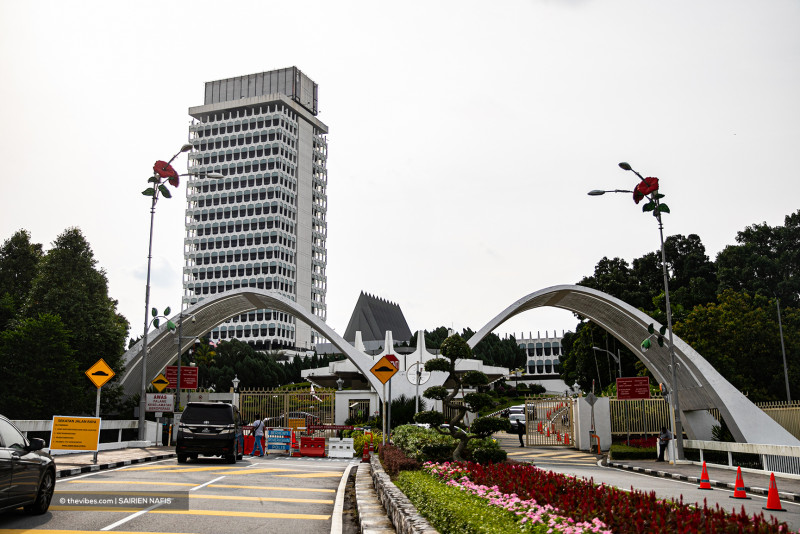
TRANSPARENCY International Malaysia (TI-M) has called for Parliament to publish daily attendance records of all Members of Parliament, emphasising that chronic absenteeism is eroding democratic accountability and undermining public confidence in the legislative process.
The appeal comes in the wake of a 20-day sitting of the Dewan Rakyat during which Marang MP Tan Sri Abdul Hadi Awang recorded the lowest attendance, appearing at only two out of 20 sittings, according to the official Hansard.
By contrast, more than 90 MPs maintained perfect attendance.
Absences were also noted among members of the executive, including the Prime Minister and deputies, though TI-M acknowledged that official duties often account for such gaps.
Among non-executive MPs, poor attendance was recorded by Gombak MP and Selangor Menteri Besar Datuk Seri Amirudin Shari (16 days), Saratok MP Datuk Ali Biju (16 days), Sembrong MP Datuk Seri Hishammuddin Hussein (12 days), Pagoh MP Tan Sri Muhyiddin Yassin (11 days), Port Dickson MP Datuk Seri Aminuddin Harun (11 days), and Larut MP Datuk Seri Hamzah Zainudin (10 days), The Star reported TI-M stating.
During the tabling of the Constitution (Amendment) Bill 2026 on March 2, which sought to cap the Prime Minister’s tenure at 10 years, eight MPs were absent.
The subsequent vote saw 32 MPs fail to participate, contributing to the Bill falling short of the required two-thirds majority by just two votes.
TI-M president Raymon Ram said absenteeism during such critical votes weakens democratic oversight and public trust.
“Regardless of political affiliation, absence without clear justification during a critical vote erodes democratic accountability, undermines institutional reform, and weakens public confidence,” he said.
Raymon proposed that parliamentary attendance and leave records be made publicly available on a daily basis.
He also recommended designating key votes, including constitutional amendments, Supply and Budget bills, motions of confidence or no confidence, and structural governance reforms, as requiring heightened attendance.
“For such votes, written reasons for any absence should be filed and made publicly available,” he said.
He added that unjustified absenteeism should trigger public explanation, referral to the Committee of Privileges, or structured financial penalties.
He further called for consistent application of Article 52(1) of the Federal Constitution, which allows for disqualification of MPs for chronic absenteeism, describing it as a constitutional safeguard rather than a symbolic measure.
“Parliamentary absenteeism during pivotal national votes cannot be normalised. TI-M calls on Parliament to strengthen attendance transparency mechanisms and for all MPs to show seriousness in upholding democratic responsibility.
“Malaysia’s democratic integrity depends not only on the laws we pass, but on the commitment of those entrusted to pass them,” Raymon said. - March 5, 2026




_-_AZIM_RAHMAN_2.jpg)