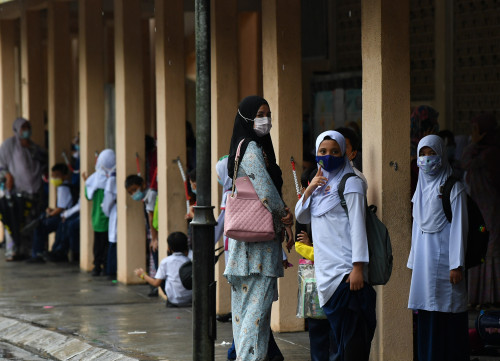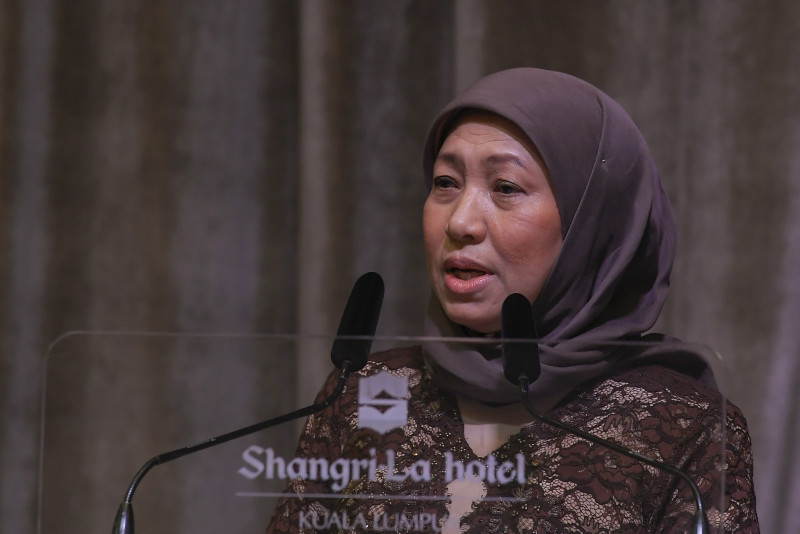
GAPS remain in young adults’ understanding of reproductive health and personal boundaries despite longstanding sexuality education programmes, according to Women, Family and Community Development Minister Datuk Seri Nancy Shukri.
Citing Health Ministry figures, she noted that 21,114 pregnancies were recorded among unmarried girls aged 19 and below between 2019 and 2024, underscoring persistent vulnerabilities among adolescents.
Nancy said that peer influence, exposure to online content and limited communication within families are key drivers of risky behaviour.
“Some adolescents also face vulnerability due to neglect, exploitation, or lack of support.
“Stigma surrounding discussions on sexuality can discourage young people from seeking accurate information or assistance,” she said.
She added that the rise in teenage pregnancies reflects broader structural challenges.
“It requires a comprehensive approach that strengthens education, family support and protection systems.”
In response, the ministry is stepping up interventions under the National Child Policy and Plan of Action 2026–2030.
Measures include improving access to adolescent-friendly healthcare, reinforcing protection mechanisms and expanding parenting support programmes.
On proposed amendments to the Child Act, Nancy said the process is ongoing.
“This involves consultations with government agencies, experts, and civil society to ensure the law remains relevant, comprehensive, and fully aligned with Malaysia’s obligations under the Convention on the Rights of the Child, reinforcing our commitment to protect the rights, dignity, and best interests of every child,” The Star reported her saying today.
A June 2023 population policy brief by the National Population and Family Development Board highlighted that elements of sexual education have been present in Malaysia’s school system since 1989 at secondary level, before being introduced in primary schools four years later and extended to preschool education in 2010.
Originally known as Family Health Education, the curriculum was renamed Sexuality Education in 2003, before being rebranded as Reproductive Health and Social Education amid sensitivities surrounding the term “sexuality”.
Since 2011, it has been incorporated into the Health Education subject.
However, the report noted that sexual education in Malaysia remains a sensitive and often controversial issue.
Existing programmes tend to emphasise abstinence and moral values, with limited coverage of contraception and broader sexual health topics.
It also pointed to a lack of inclusivity and progressive attitudes in discussions of gender and sexuality, alongside ongoing barriers to accessing accurate information and appropriate sexual health resources. - March 30, 2026