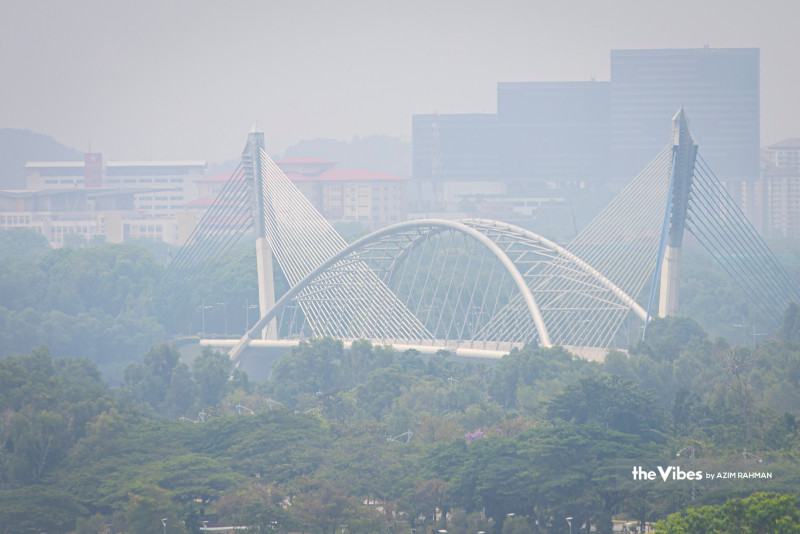
AIR quality has deteriorated in parts of the Klang Valley and Negeri Sembilan today, with four areas surpassing the unhealthy threshold, according to the Department of Environment’s (DOE) Air Pollution Index Management System (APIMS).
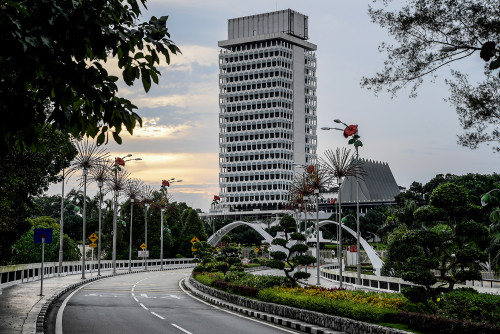
Putrajaya, in particular, has been hit the hardest, with air pollution levels consistently remaining in the "unhealthy" range.
As of 10am, Putrajaya, Jenjarom in Selangor, and Seremban and Nilai in Negeri Sembilan all recorded Air Pollutant Index (API) readings above 100, signalling unhealthy air quality.
Putrajaya, which first entered the unhealthy range at 4am on Saturday, saw its API hover around 150 before rising to 152 by 10am.
Nilai experienced a sharp spike overnight, crossing the threshold at 11pm on Saturday, and reaching 124 by 8am Sunday before easing slightly to 102 mid-morning.
Seremban, on the other hand, saw its API hit 119 at 7am and worsen to 130 by 10am, though it dropped to 105 by the afternoon.
Jenjarom in Selangor similarly breached the unhealthy level at midnight on Saturday, peaking near 150 before improving to 143 by 10am today.
Elsewhere, conditions seemed to improve. Johan Setia in Klang, which had recorded unhealthy levels since Friday, returned to moderate levels by 10am Sunday with an API of 97.
Despite these localised spikes, broader national data from the World Air Quality Index project suggests that urban areas in Malaysia, including Kuala Lumpur, Petaling Jaya, and Klang, are still within moderate air quality ranges.
These findings reflect the variability in air conditions across different monitoring stations.
At the national level, most monitoring stations reported good or moderate air quality, with 15 stations recording good levels and 48 stations in the moderate range.
The API, which is Malaysia’s primary measure of air quality, takes into account six pollutants—PM2.5, PM10, ozone, carbon monoxide, nitrogen dioxide, and sulphur dioxide—and is categorised from good to hazardous based on health risks.
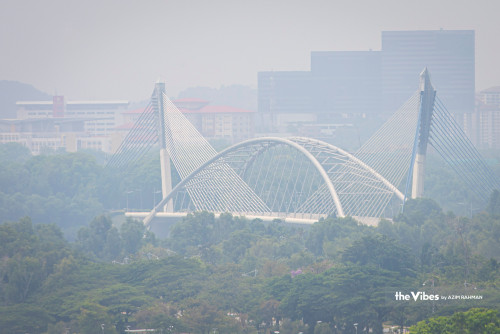
Though the exact cause of the air pollution spike has not been confirmed, the pattern suggests the early onset of haze conditions along the west coast of Peninsular Malaysia.
Authorities have pointed to an increase in open burning incidents, especially since mid-March, exacerbated by dry weather.
Johor, in particular, has reported a rise in open burning cases, raising concerns that haze levels could worsen if the current conditions persist. - April 5, 2026