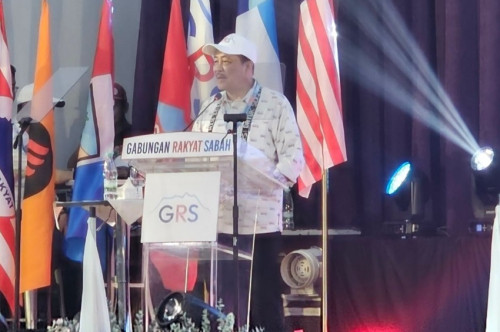
MALAYSIA is bracing for a potentially more severe El Niño cycle, with far-reaching implications for public health, food security and the cost of living, former Klang MP Charles Santiago warned today.
Marking World Environment Day, Santiago said the country is already experiencing the escalating effects of global warming, pointing out that 2024 was the hottest year on record, with temperatures rising by 1.55°C.
“We are already feeling extreme heat in our daily lives, with temperatures reaching up to 40°C even during routine commutes,” he said, cautioning that current conditions may only be a precursor to what lies ahead.
He warned that the upcoming El Niño episode could surpass the impacts seen in previous cycles, including those in 2016 and 2024, when temperatures climbed to 37°C.
“The last El Niño saw over 250 schools shut, more than 100,000 students sent home, and cases of heatstroke that led to deaths and hospitalisations,” he said. “The next one is expected to be even more severe.”
Santiago also highlighted the environmental toll, noting that up to 50% of coral reefs in Malaysia’s marine parks were wiped out in a single season due to rising ocean temperatures.
“These ecosystems took centuries to form, but were destroyed in a matter of months because the seas became too warm,” he said.
Beyond environmental damage, he stressed that El Niño triggers a cascade of socio-economic challenges, including prolonged droughts, water shortages, declining agricultural yields and transboundary haze caused by regional forest fires.
“This is not just an environmental issue,” he said. “It is a public health crisis, a food security challenge and a cost-of-living problem all rolled into one.”
He added that the situation is further compounded by global supply chain disruptions and geopolitical tensions, including the Iran-US-Israel conflict, which have contributed to rising oil prices and increased financial pressure on households.
Calling for urgent action, Santiago urged a coordinated, whole-of-government and whole-of-society response to mitigate the impact.
“We need to act collectively — from increasing the use of public transport and conserving energy, to protecting vulnerable workers who are exposed to extreme heat,” he said.
He also stressed the importance of safeguarding basic needs, particularly water resources.
“Water must be prioritised for farms and households to ensure both food security and daily survival,” he added. - June 5, 2026