By Murray Hunter
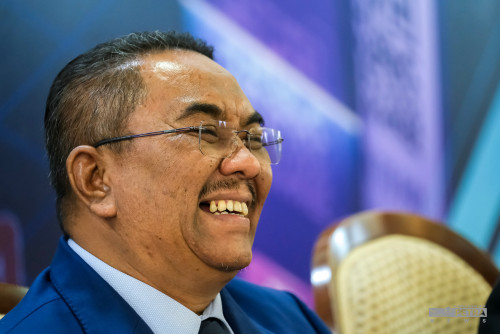
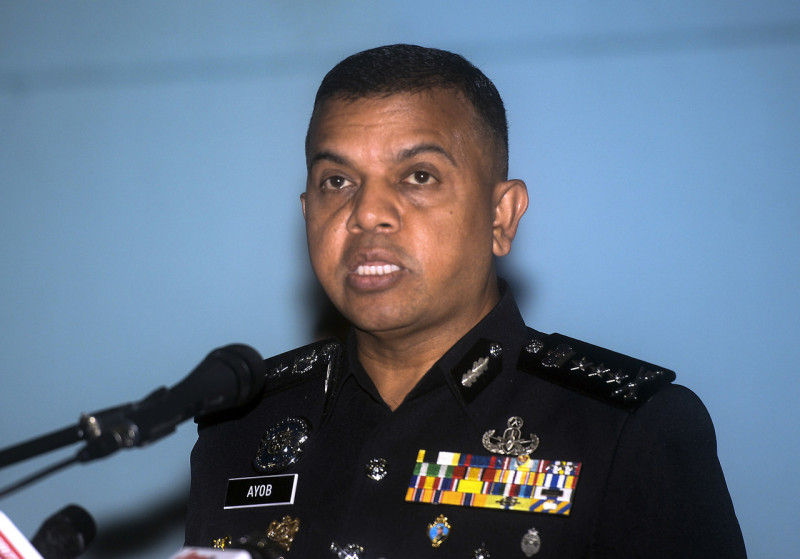
THE recent admission by Tan Sri Ayob Khan Mydin Pitchay that Islamic State operatives tracked his movements, including his jogging routine at Taman Tasik Perdana, should set off alarm bells across Malaysia.
As the former head of Bukit Aman’s Counter-Terrorism Division (E8) and later Deputy Inspector-General of Police, Ayob Khan was no ordinary target.
Militants in Indonesia and regional cells circulated directives online calling for operatives to “finish off” the officer who had systematically dismantled recruitment networks and foiled plots.
They monitored senior officers’ routines because they could.
That capacity is a clear indicator of residual organisational strength and local support networks that have never been fully eradicated.
Ayob Khan’s revelation is not an isolated anecdote.
It underscores a deeper, long-standing problem that successive Malaysian governments have preferred to manage quietly rather than confront openly.
For more than two decades, Malaysians have featured disproportionately in regional jihadist activity.
During the peak of Jemaah Islamiyah (JI), intelligence estimates put the local cell at roughly 200 members.
Malaysian operatives occupied critical technical and leadership roles.
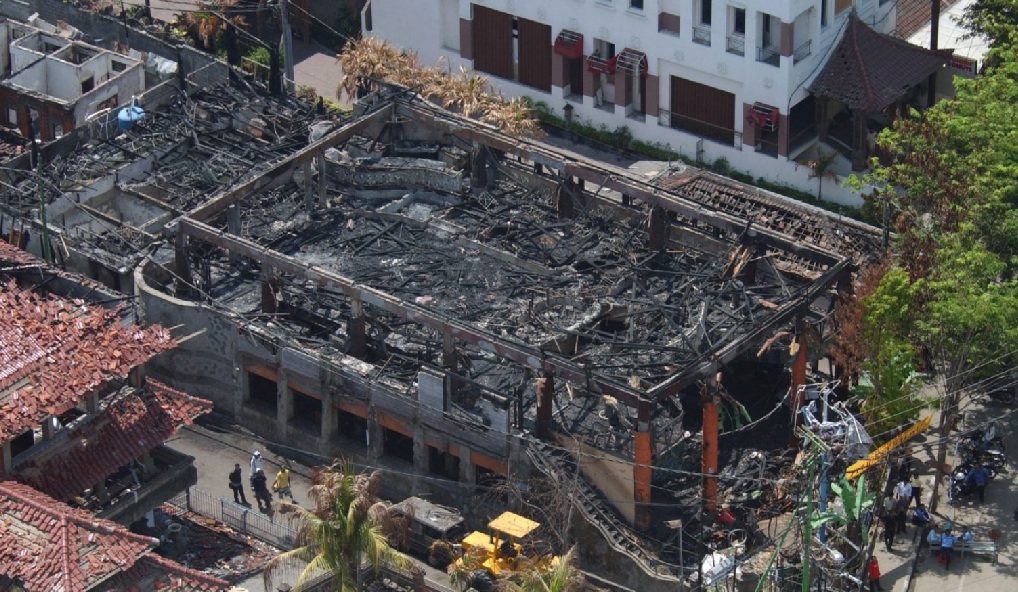
Dr Azahari Husin, a university lecturer turned bomb expert, was the technical mastermind of the 2002 Bali bombings. Noordin Mohammad Top orchestrated subsequent high-profile attacks, including the JW Marriott bombing, the Australian Embassy attack, and the second Bali bombing.
Taufik Abdul Halim participated in earlier Jakarta church and mall bombings.
Two Malaysians, Mohammed Farik bin Amin and Mohammed Nazir bin Lep, spent two decades at Guantánamo for their roles linked to the Bali network before repatriation in 2024.
The transition from JI to Islamic State did not break the pattern.
Estimates of Malaysians who travelled to Syria and Iraq range from over 100 to several hundred, which is high relative to the size of the Muslim population.
Official figures later settled around the lower end, but the flow was real and the returnees, along with those who never left, created a domestic reservoir of ideology and tradecraft.
Police claim to have foiled 26 militant plots between 2012 and 2024 and detained dozens of Salafi-jihadist suspects.
Two attacks still occurred. The 2016 Movida nightclub bombing in Puchong and the 2024 Ulu Tiram police station attack that killed two officers.
These are not signs of a defeated threat.
The environment that incubates such networks remains largely unaddressed in public discourse.
Certain religious schools and tahfiz centres have repeatedly appeared on the radar.
In 2018, the Dar Al Quran Wa Hadeeth centre in Perlis was raided and suspended after intelligence indicated a Yemen-linked group was using it to propagate Salafi-jihadist ideology that sanctioned violence against non-Muslims and moderate Muslims while rejecting democratic systems.
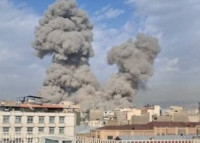
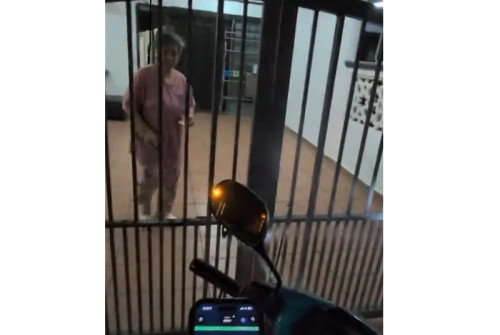
Alamy picture for illustration only
Eight men, who were mostly foreigners on tourist visas, plus one Malaysian were detained.
State authorities later noted that large numbers of foreign students had entered on tourist rather than student visas, bypassing proper screening.
Official statements carefully distinguished the centre from registered institutions, yet the episode highlighted how informal religious networks can become conduits.
JAKIM’s relative silence on the broader ideological pipeline stands in contrast to the intensity of Special Branch monitoring.
It is an open secret that a substantial portion of the police informant network is dedicated to tracking Islamist extremism. That scale of effort is itself evidence of the problem’s size.
Compare this with Singapore. The Internal Security Department publishes clear, regular updates on radicalisation cases under the ISA.
Since 2001, more than 100 individuals have been dealt with. Between 2015 and 2021 alone, 54 cases were handled; the majority were found to have been self-radicalised, which is very alarming.
In recent years, the trend has sharpened toward younger perpetrators.
Over the past decade, 23 people aged 20 and below have been detained or placed under restriction orders, which is up sharply from earlier periods.
Multiple 14-year-olds have been among them, including cases in 2025 and 2026 involving detailed attack planning, school stabbings, and composite ideologies mixing ISIS narratives with other extremist material.
Singaporean authorities name the problem, detail the pathways (primarily online), and report rehabilitation outcomes. Transparency allows public understanding and societal resilience. Malaysian authorities remain largely opaque.
One can reasonably assume a comparable or larger underlying caseload given population size, historical networks, and the documented presence of sympathetic ideology, yet the public receives only selective announcements of foiled plots.
The regional picture adds further concern. With the territorial caliphate in Iraq and Syria dismantled, residual ISIS elements and inspired networks have sought footholds elsewhere.
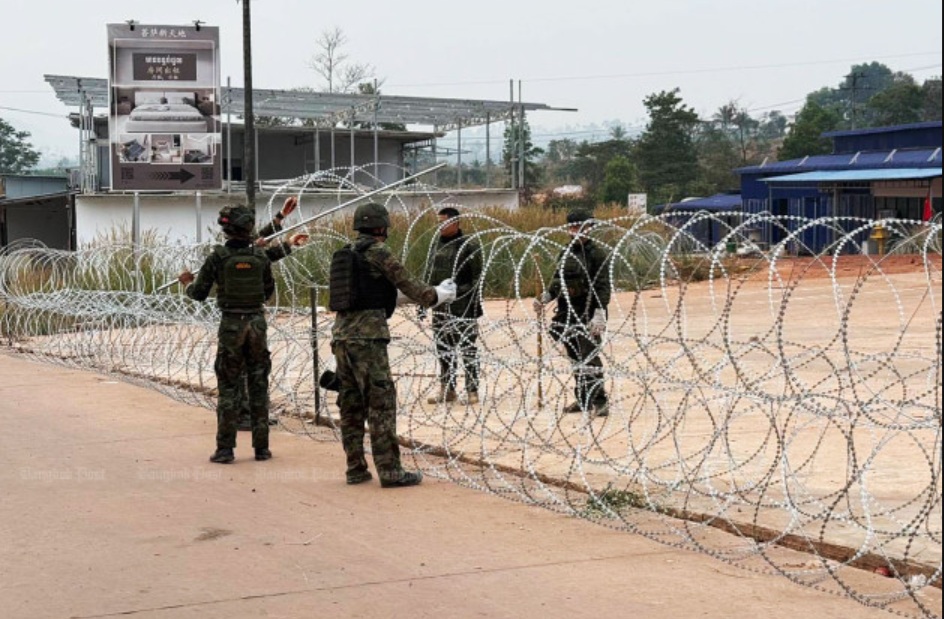
Cross-border linkages into southern Thailand’s long-running insurgency, facilitated through northern Malaysia, have long been rumoured and occasionally documented.
The same online ecosystems that radicalise teenagers in Singapore operate freely across the peninsula.
Recruitment has shifted from physical usrah circles to encrypted apps, gaming platforms, and social media, lowering the barrier for lone actors and small cells.
Ayob Khan’s account of being watched while jogging is therefore more than a personal security footnote.
It is evidence that networks retain the ability to identify high-value targets, task local supporters with surveillance, and maintain operational security sufficient to operate inside Malaysia for periods of time.
Combined with the historical record of Malaysian involvement in major regional attacks, the volume of foreign fighters, the repeated appearance of problematic religious centres, and the contrast with Singapore’s openness, the picture is one of a resilient ideological and organisational challenge that official narratives consistently understate.
The government needs to provide a fuller public accounting of the scale of ISIS-linked activity, the extent of infiltration into religious and community organisations, the number and disposition of returnees and self-radicalised individuals currently under monitoring, and the concrete measures being taken beyond arrests.
Silence and managed messaging no longer suffice.
When militants can track the jogging routes of the country’s top counter-terrorism officer, the red light is already flashing. Pretending otherwise only compounds the risk. - September 6, 2026