BUDGET 2027 is expected to offer Malaysia an opportunity to translate its economic resilience into stronger growth, better-paying jobs and improved living standards as the government seeks to build a more competitive, inclusive and sustainable economy.
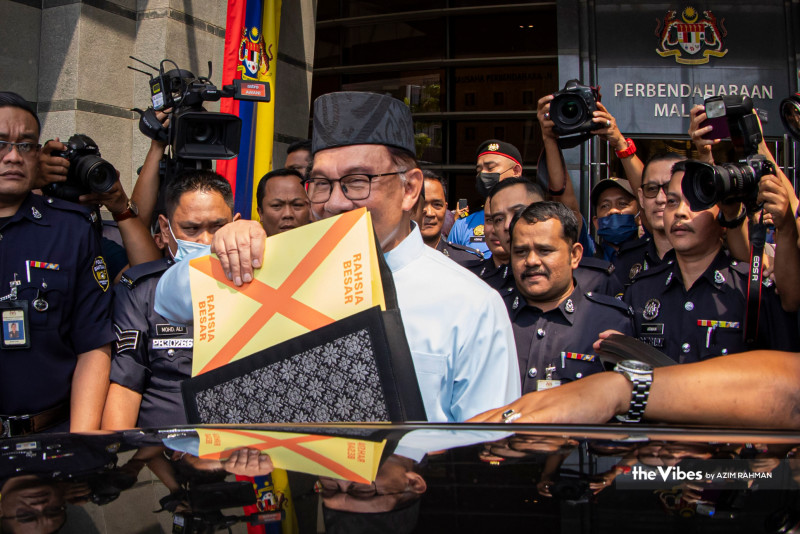
Prime Minister Datuk Seri Anwar Ibrahim, who is also Finance Minister, will table the fifth MADANI Budget in the Dewan Rakyat at 3.30pm today, setting out the government’s priorities for the second year of the 13th Malaysia Plan (13MP).
The budget, themed “Malaysia MADANI: Menggapai di Langit, Mengakar di Bumi” (Reaching for the Sky, Rooted in the Earth), comes as Malaysia seeks to sustain economic momentum and raise its long-term growth potential while ensuring that the benefits reach households, workers and businesses nationwide.
With the economy projected to have grown by 6.0% in the second quarter of 2026, and full-year growth forecast at 4.0% to 5.0%, the government has an opportunity to build on that momentum through policies that encourage productive investment, strengthen domestic enterprises and create higher-value economic opportunities.
A key priority will be attracting investment into advanced manufacturing, digitalisation, artificial intelligence and other high-growth industries capable of raising productivity, strengthening Malaysia’s position in regional supply chains and generating skilled employment.
Investment in supporting infrastructure, including water supply, electricity networks, transport connectivity and digital infrastructure, could further strengthen the country’s appeal to investors while improving the capacity of local industries to expand.
Development spending also has the potential to deliver broader social and economic benefits, particularly through flood mitigation, rural development and improvements to essential services in Sabah, Sarawak and underserved communities.
Better infrastructure can improve access to education, healthcare and employment, reduce logistical constraints and help smaller towns and rural areas participate more fully in national economic growth.
For workers and households, the emphasis will be on ensuring that economic expansion translates into meaningful improvements in purchasing power, employment prospects and access to essential support.
Targeted assistance and more efficient subsidy delivery could help direct public resources towards vulnerable groups while preserving funding for infrastructure, education, healthcare and other long-term national priorities.
Small and medium enterprises are also central to this agenda. Improved access to financing, support for technology adoption and measures to strengthen productivity could help domestic businesses expand, create jobs and become more integrated into larger investment and manufacturing networks.
At the same time, stronger revenue mobilisation and more efficient public spending would give the government greater capacity to fund development priorities without undermining fiscal sustainability.
Ultimately, Budget 2027 presents an opportunity to connect national economic ambitions with tangible improvements in everyday life: more productive businesses, better employment opportunities, stronger infrastructure and a wider distribution of the gains from growth.
The defining measure of success will be whether these priorities help Malaysia build a more resilient economy while giving its people greater opportunities to prosper under the MADANI framework. - October 9, 2026