DAP deputy secretary-general Ramkarpal Singh has hit back at Umno over allegations that DAP is undermining the unity government, saying it is Umno’s own political conduct that has raised questions about its commitment to the coalition.
The Bukit Gelugor MP cited Umno’s cooperation with opposition parties, public criticism of Prime Minister Datuk Seri Anwar Ibrahim by some of its leaders and calls for Parliament to be dissolved as actions that, in his view, could undermine the government’s stability.
He said Umno should examine its own record before accusing DAP of breaching the understanding between parties in the unity government.
“If we are talking about a breach of trust or a violation of the terms of political cooperation and the agreement, the record speaks for itself.
“It is Umno’s actions, not DAP’s, that have strained the understanding between the parties and tested the limits of the agreement,” he said in a statement today.
Ramkarpal was responding to Umno information chief Datuk Seri Azalina Othman Said, who yesterday criticised DAP national chairman Gobind Singh Deo for suggesting that Umno ministers should resign if they no longer had confidence in Anwar’s leadership.
Azalina described Gobind’s remarks as a public ultimatum against a coalition partner, saying they went against the spirit of the Memorandum of Understanding on Cooperation within the Unity Government, signed on Dec 16, 2022.
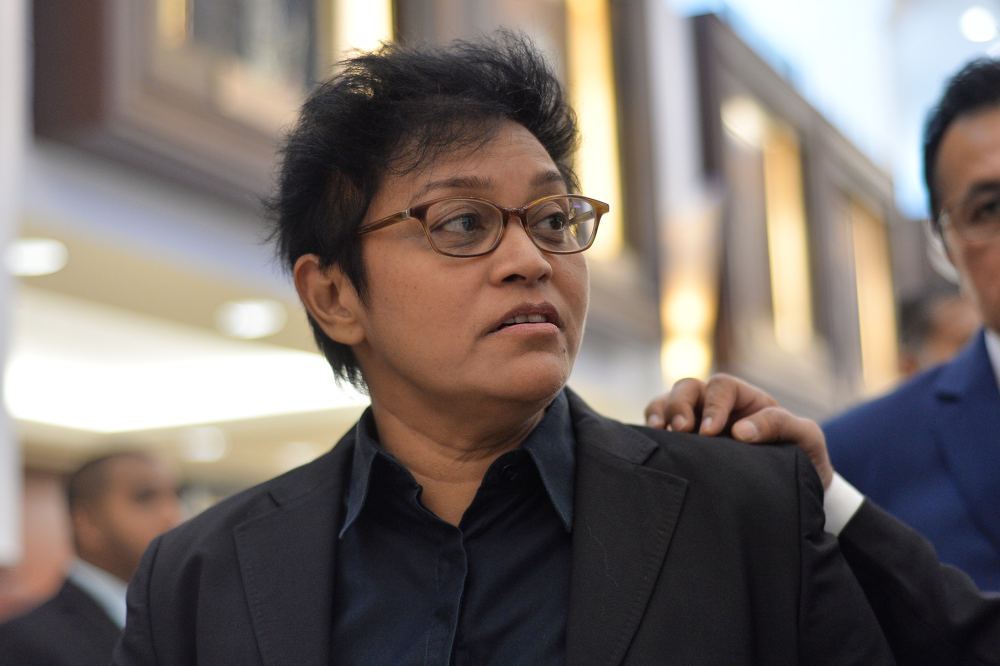
She also suggested that DAP use the mediation mechanism provided under the agreement to resolve differences between coalition partners.
Ramkarpal dismissed her criticism as “amusing”, saying Azalina should instead take a closer look at her own party’s commitment to the coalition.
“With all due respect, Azalina should take an honest look at her party’s commitment to maintaining a stable unity government under Anwar Ibrahim,” he said.
Umno’s cooperation with opposition questioned
Ramkarpal identified three areas which he said showed Umno had fallen short of the principles underpinning the unity government, particularly political stability, reform and social cohesion.
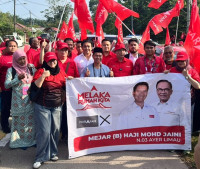
He first questioned Umno’s political dealings with PAS, citing developments in Johor and Negeri Sembilan, as well as BN’s cooperation with Perikatan Nasional in the Melaka state election.
In Johor, PAS had previously directed its supporters to back BN candidates in selected constituencies despite the absence of a formal electoral pact between the two parties.
In Negeri Sembilan, BN and PN worked together during the August state election before forming the state government.
Ramkarpal said these arrangements raised questions about Umno’s commitment to its federal partnership with Pakatan Harapan.
“Working with the opposition while remaining part of the government raises serious questions about Umno’s sincerity and commitment to the collective mandate of this coalition.”
“It could seriously undermine the stability of the government,” he said.
He also criticised public attacks on Anwar by Umno leaders, arguing that such remarks could weaken the prime minister’s standing and erode public confidence in the administration.
Calls by some Umno leaders for Parliament to be dissolved were another concern, he said, particularly while the party remained part of the federal government.
“Calls by Umno leaders for Parliament to be dissolved while we are still governing together once again demonstrate a complete disregard for the stability we promised the people,” he said.
Najib ruling adds to coalition tensions
The exchange comes amid mounting tensions between Umno and DAP following the Kuala Lumpur High Court’s Nov 10 decision allowing former prime minister Datuk Seri Najib Razak to serve the remainder of his prison sentence in the SRC International case under house arrest.
In the aftermath of the ruling, DAP secretary-general Anthony Loke tendered his resignation as transport minister with immediate effect.
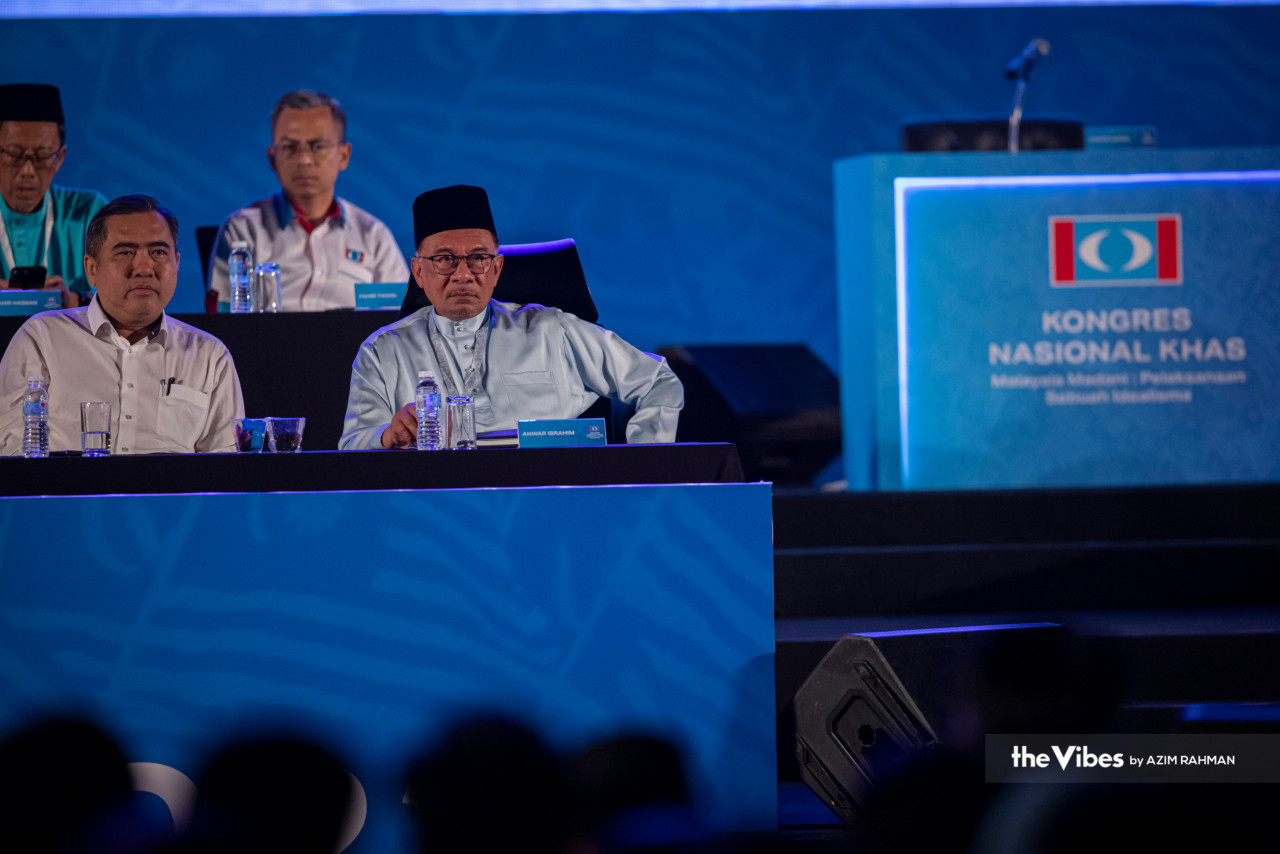
Anwar said yesterday that he had yet to accept the resignation and wanted time to consider the matter.
The development prompted several Umno leaders to question DAP’s position, with some accusing the party of contributing to instability within the coalition.
Azalina subsequently outlined four options for DAP: invoke the mediation mechanism under the agreement, continue with the existing arrangement, review the unity government agreement or end the political cooperation, which she said could lead to Parliament being dissolved.
She maintained that Umno remained committed to Anwar’s leadership and the agreement.
Ramkarpal rejected the suggestion that DAP was responsible for destabilising the government, maintaining that his party remained committed to its role in the coalition.
He said the unity government was formed to ensure political stability and support economic recovery, not to create uncertainty for the benefit of any particular party.
“We remain committed to respecting the terms of the agreement and supporting the prime minister’s reform and economic agenda.
“However, we will not hesitate to speak the truth when the integrity of this coalition is compromised,” he said. – November 14, 2026