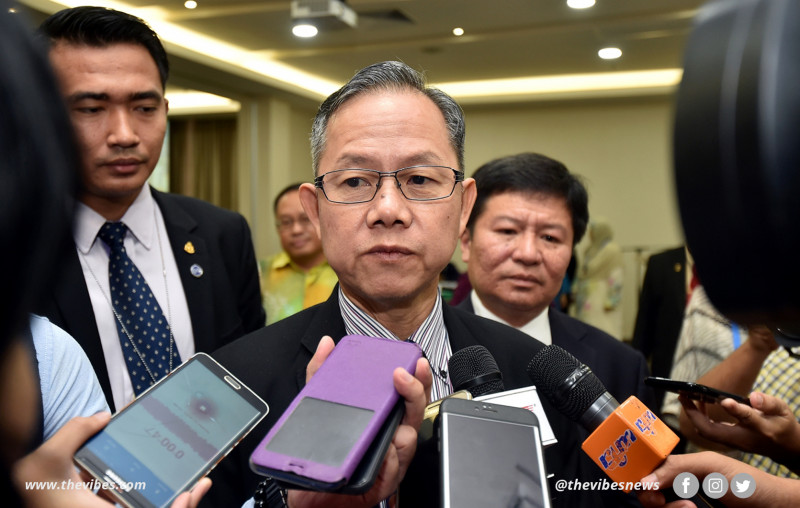

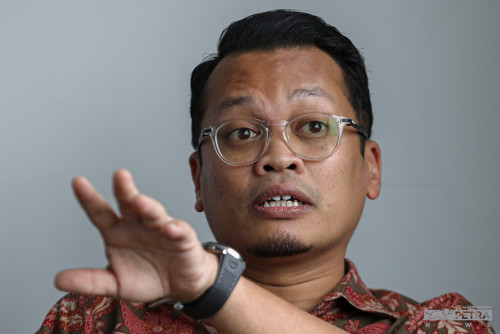
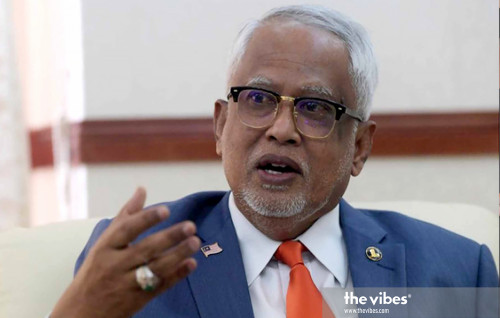
KUALA LUMPUR – The government should not consider allowing low-risk Covid-19 patients to undergo self-quarantine even as the public healthcare system is overwhelmed, said former deputy health minister Dr Lee Boon Chye.
Calling it a “very bad idea”, Dr Lee said such a move has a greater disadvantage, and urged for more low-risk quarantine centres to be set up instead.
“It (home quarantine) just makes no sense, as other family members in the household will have a higher risk of getting infected,” he told The Vibes.
“The Health Ministry will also have to consistently monitor to ensure patients are not violating quarantine orders, and you need human resources for that.
“Even now, they don’t have enough staff for contact tracing. So, how are they going to get more?
“It is better to gather all these patients in one location. It is safer, more efficient, and less costly.”
Dr Lee, who served as deputy minister from July 2018 to last February, was commenting on speculation that the government may consider allowing some coronavirus patients with mild to no symptoms to isolate themselves at home, to ease the burden on public health facilities.
It is understood that the Health Ministry is also in the midst of finalising terms with private hospitals to help the public healthcare system handle the increasing number of cases.
The Vibes has learnt that some private hospitals will take in low-risk Covid-19 cases, while others may treat more serious cases referred from public health facilities.
Dr Lee said other than the risk of infecting family members, home quarantine also poses the problem of buying food and other daily necessities without risking others, especially for patients living alone.
There is also the concern that those with no symptoms could experience severe ones during the course of their isolation, which would require them to be attended to by specialists.
“At the end of the day, they still need to be monitored frequently. It is always better to place them in locations like the Malaysia Agro Exposition Park Serdang,” said the Gopeng MP, referring to the low-risk quarantine centre set up there.
Academic holds different view
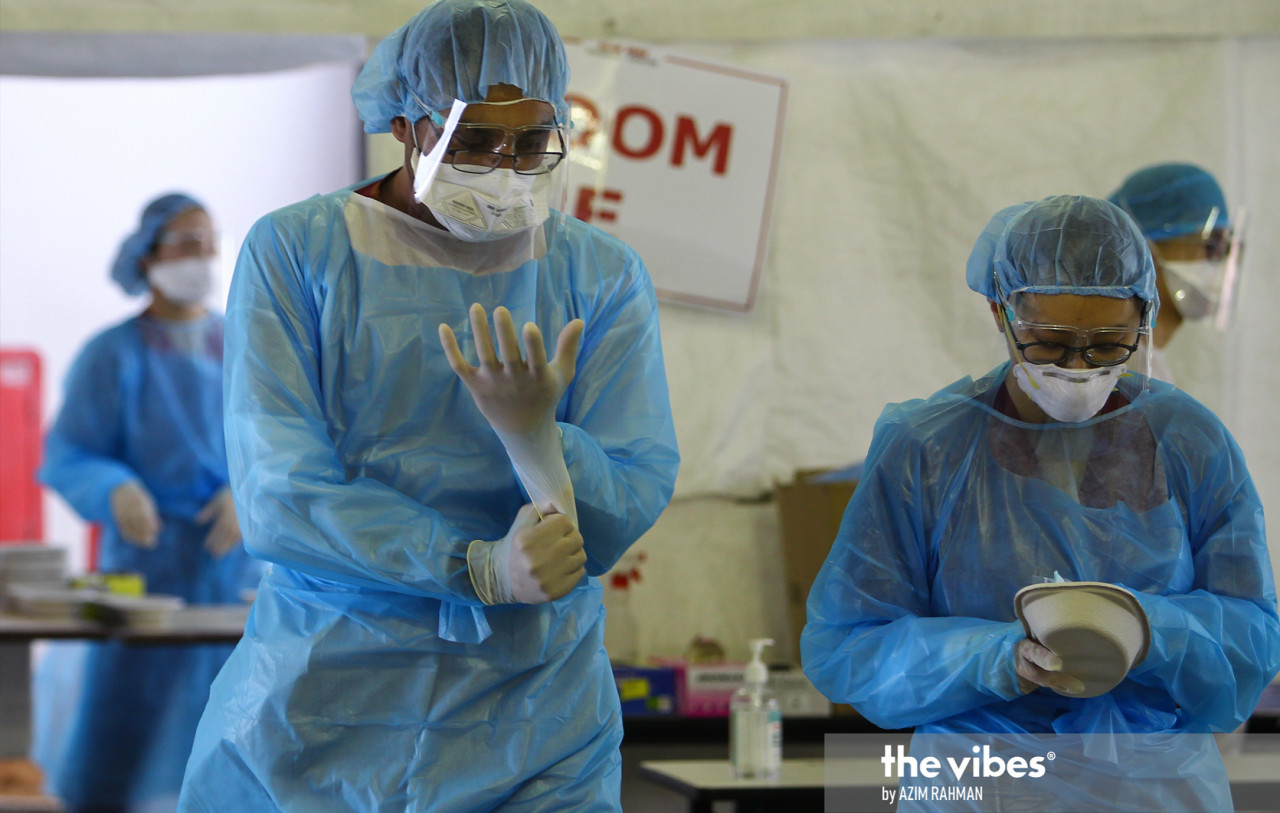
Universiti Malaya epidemiology and public health Prof Dr Sanjay Rampal, however, feels that home isolation for asymptomatic or mild cases is overdue.
He said Malaysia has been very lucky in that its public healthcare system has had the resources to admit all Covid-19 cases to date, even though many could be managed at home.
“In fact, many of these cases will be more comfortable at home.”
But, he said, those undergoing home quarantine will have to be either periodically assessed for complications or at least have access to health facilities if they feel their symptoms are getting worse.
“It is important that we empower the community by informing them of what to expect in a transparent manner, and that the system is seen to be equitable.
“The Health Ministry has already released good infographics for cases who isolate at home, and for those living with a case at home.”
This is in reference to the guidelines released by the ministry for those who are forced to isolate themselves at home for several days due to the overwhelming number of infections causing delays in ambulance pick-ups.
The ministry has posted on Twitter its standard operating procedures, which include always staying in a separate room from other people in the house; avoiding interaction with other household members, or wearing a mask when there is a need to do so; and, reporting one’s health status daily, either on MySejahtera or when contacted by health officers. – The Vibes, January 18, 2021
#COVID19 Pemantauan kendiri kes positif di rumah.
— KKMalaysia?? (@KKMPutrajaya) January 17, 2021
Patuhi 12 langkah ini. #JagaNegaraKita?? pic.twitter.com/SjGLySgwdr










.jpeg)