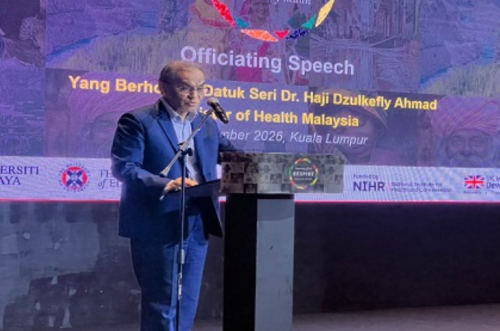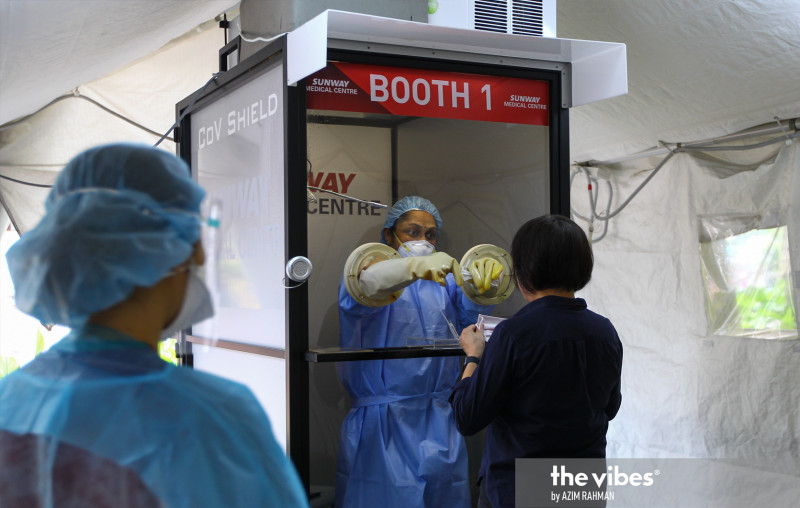
KUALA LUMPUR – Selangor Task Force for Covid-19 chairman Datuk Seri Dr Dzulkefly Ahmad has announced that Selangor will implement a proactive programme called “Preventing Outbreak at Ignition Sites” (POIS) to coordinate mass screening efforts in the state.
The former health minister in a statement today said the programme will be a tripartite partnership between the Selangor government, and employers and non-governmental organisations (NGOs), where the main focus is to conduct periodic screening in factories and workplaces, including construction sites, throughout the state.
“POIS will establish cooperation between the Selangor Health Department, Selgate Corporation Sdn Bhd, Malaysian Manufacturers Federation, and all local governments, together with medical health-based NGOs, such as the Islamic Medical Association of Malaysia’s response and relief team.”
Addressing the recent spike of cases in Selangor, Dr Dzulkefly said he has sought advice from several parties on the matter, and has since identified several factors that have contributed to the increase in numbers.
“Firstly, these cumulative cases are the result of delayed cases, or ‘backlog cases’, from the compulsory screening of factory workers (by the Social Security Organisation), screening in prisons, and sentinel screening in private clinics and hospitals, which are not reported directly (in real time).
“For the record, this increase is the result of pending cases over the past 10 days.”
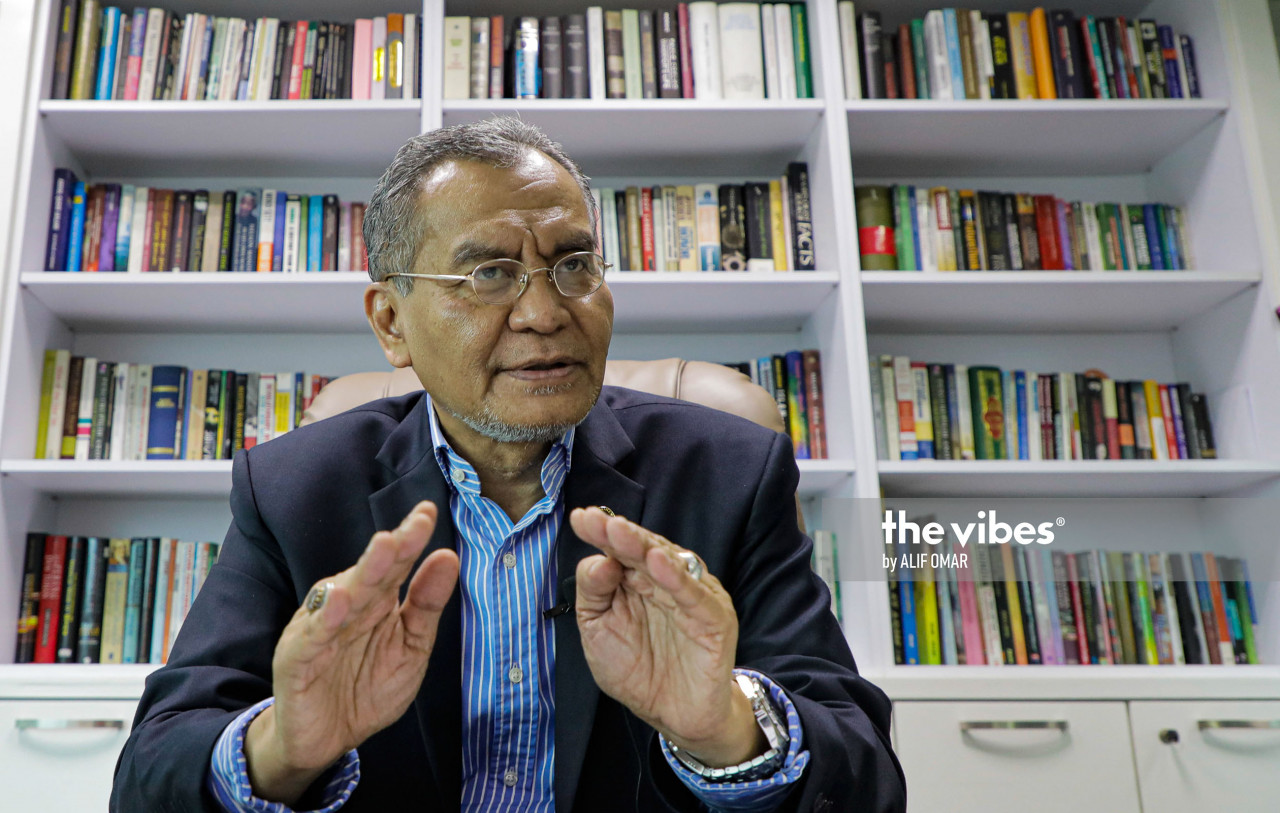
He said it is more important to note the “positive rate” during screening tests, which needs to be intensified within communities where the positive rate is less than 5%, a measure set by the World Health Organisation (WHO).
“In other words, if we conduct 1,000 screening tests, 200 positive cases means a 20% positive rate.
“This means that the virus is ‘roaming’ within the community or spreading from there.”
To address this situation immediately, Dr Dzukefly suggests using several proven public health approaches, such as an increase in RTK-Ag testing.
“If the test finds only 50 cases or lower, then it is considered controlled below the ‘baseline’ level.”
He said Malaysia, at one time, recorded a positive case rate of 9%, which has now dropped to 5.8%.
Additionally, he said it is also important to increase technological capabilities in detecting “close contacts”, which he opined is very slow as we continue to rely on manpower instead of digital apps.
“The most important step is to immediately increase the number of frontliners to expedite the process in chain of test activities, including close contact tracing, isolation, quarantine, treatment and monitoring of patients in quarantine.”
At present, Dr Dzukefly said Selangor is the fastest growing state in population density, as well as thriving in industrial activities, businesses and construction sites, and it will surely suffer the worst when the pandemic spreads.
“If all these processes continue to be slow and interrupted, we can only play a catch-up role or follow in the trail of the virus, ensuring that the transmission rate continues to soar.”
In view of this, he said under the POIS programme, should the collaboration of all parties be strengthened and the right approach is taken at the right time, Selangor can hopefully curb the increase in cases effectively.
This will be done under the “whole of government” and “whole of society” approach currently practised by other WHO recognised-countries to further stem the pandemic. – The Vibes, January 30, 2021