
KUALA LUMPUR – “You’ll come in as boys, you’ll leave as men” – words said on my first day of enlistment in Singapore’s national service, some 14 years ago, that remain quite vividly with me.
Born in the republic in 1989, I grew up mostly in Malaysia with my family, but did not obtain citizenship until I was 25.
So, just like any other 18-year-old male Singaporean, I had to undergo the two-year mandatory service in the Lion City.
I was posted to the military’s infantry unit in December 2007, but having spent a huge part of my life in Malaysia, the thought of serving the army in a somewhat “foreign land” sent shivers down my spine.
“You’ll come in as boys, you’ll leave as men.” I could not help but wonder then how tough life would be for the next two years.
Tough it certainly was, and 24 months later, those words could not have been more true to me.
From boys to officers and gentlemen, we became better people and human beings.
Yes, we were trained to be physically and mentally strong, but more than that, national service taught us the spirit of camaraderie, of leaving no man behind, and more importantly, the true meaning of serving the country and its people.
I could not help but wonder then how Malaysia’s version of national service was doing.
Introduced in 2003, Malaysia’s was not meant to be like Singapore’s. It was not a reservist force, and not for the country’s defence.
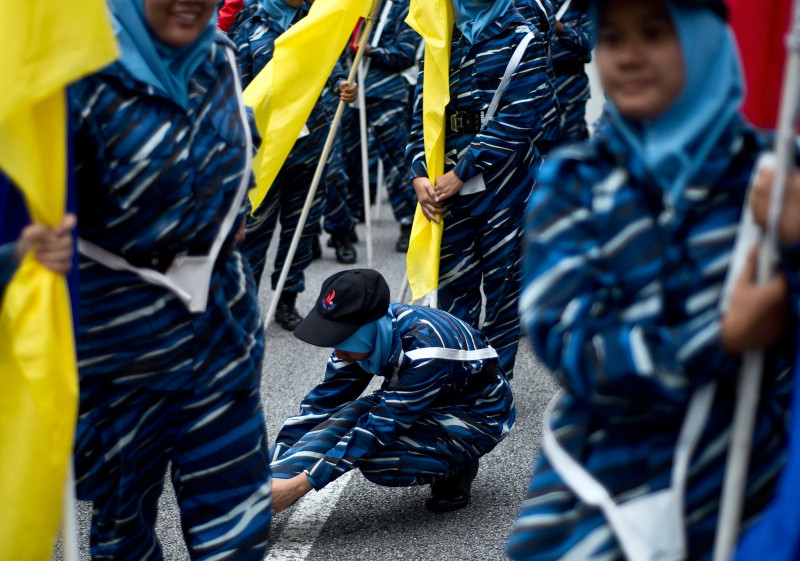
Mooted by the then Barisan Nasional government, the programme was meant to address the increasing racial segregation among citizens and foster a patriotic society, with 18-year-olds selectively drafted to serve for three months.
Beyond that, those who underwent the programme described it as more like a summer camp.
Odd then, that the government would even name it national service.
Whether the National Service Training Programme (PLKN) was a failure is up for debate, but 15 years after its inception and some RM8 billion in expenditure later, it was finally scrapped in 2018, when Pakatan Harapan took federal power.
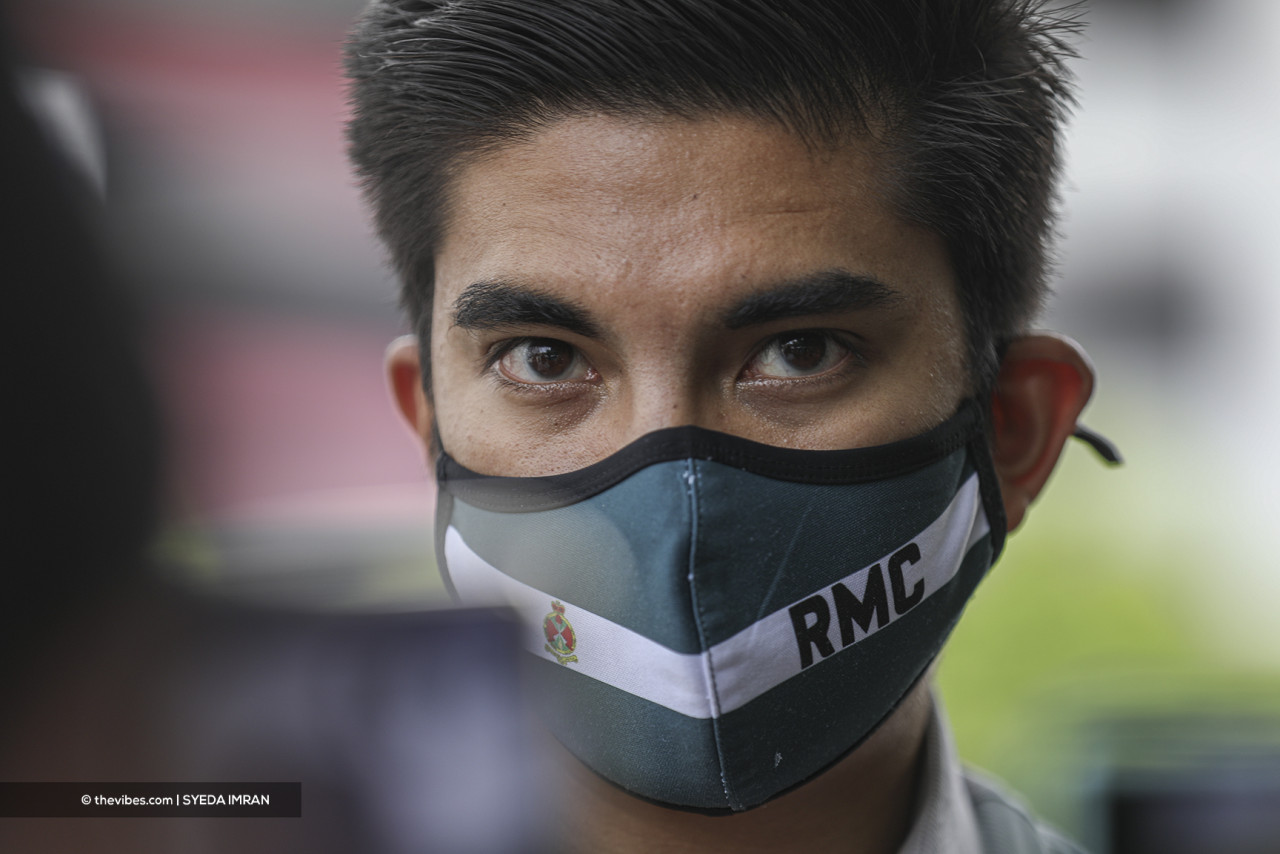
Then youth and sports minister Syed Saddiq Syed Abdul Rahman had claimed that the programme was misused to indoctrinate certain beliefs.
When Defence Minister Datuk Seri Ismail Sabri Yaakob announced in November last year that the new Perikatan Nasional government is planning to re-establish PLKN, it certainly raised eyebrows, considering the “failure” of previous iterations.
What form, then, should the new national service take?
It is very unlikely that Malaysia will take a similar approach as Singapore’s, but if national service is the idea, getting Malaysians to really serve the nation should be the way to go.
And, no better idea embodies this than Sekhar Institute’s proposal to have a programme not too dissimilar to “community service”.
Imagine a format that requires students to tackle environmental issues, teach indigenous folk certain skills, or work with rural residents on beneficial projects, alleviating real-life problems.
This will allow trainees to come out of the programme not only with new knowledge of the communities and cultures around them, but also first-hand experience in volunteering and helping others.
Now, with the Covid-19 pandemic, it would be too costly to introduce a new national service of such a scale.
But when it is implemented, I can only hope the key is getting Malaysians to serve the community and nation. – The Vibes, June 5, 2021