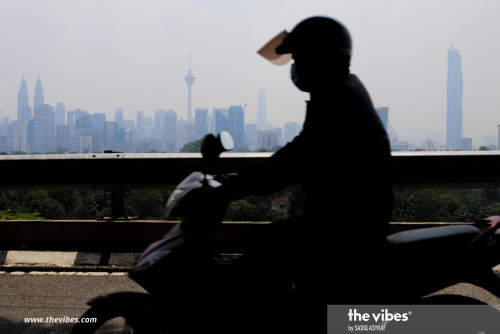

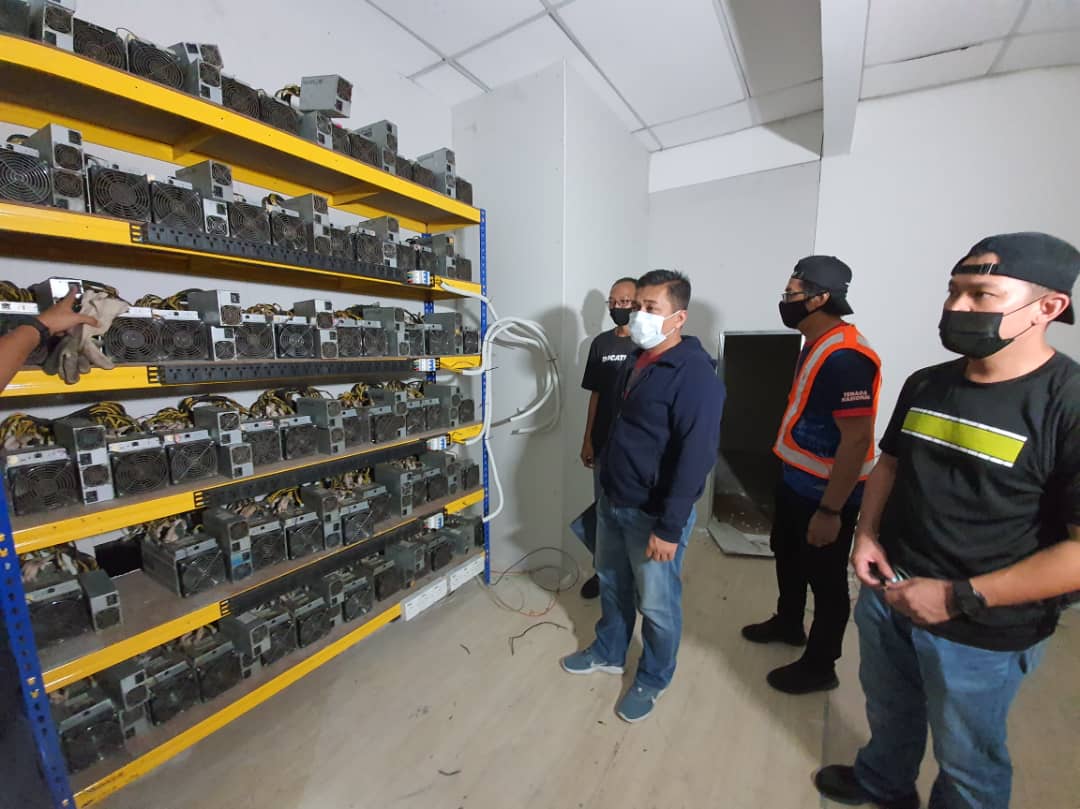
GEORGE TOWN – Issues surrounding the legality of cryptocurrency mining in the country have become a focal point following the recent arrest of several individuals and seizure of 411 mining machines and other equipment here recently.
Additionally, cases of illegal cryptocurrency mining were reported in Bukit Mertajam in March, with Tenaga Nasional Bhd (TNB) suffering losses amounting to several hundred thousand ringgit due to the theft of electricity to sustain the mining operations.
While economists say there are more than 1,000 cryptocurrency companies operating across the world, with active trading reaching billions in volume, issues relating to the emerging industry’s legality continue to dog Malaysian authorities.
At present, cryptocurrency is not recognised as legal tender – money – in the country. One of the key features of cryptocurrency is that it is not issued by the central bank of any nation.
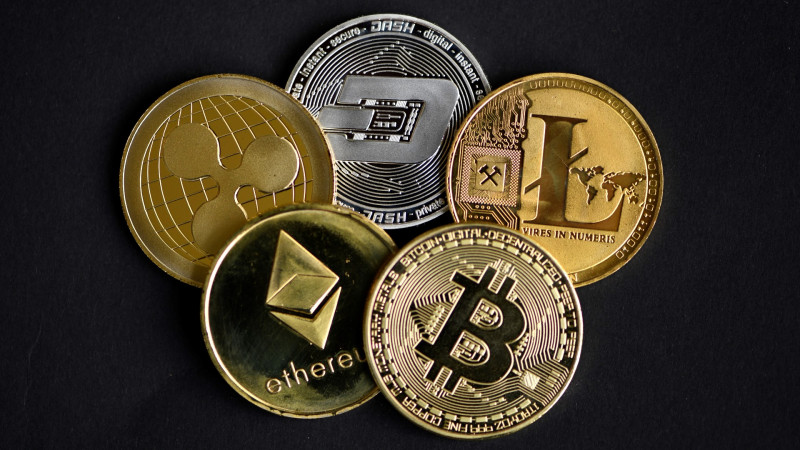
The online-generated feature of this digital asset is exactly what makes cryptocurrencies, such as bitcoin, ethereum and ripple, not recognised as money in Malaysia.
Tempted by get-quick-rich schemes
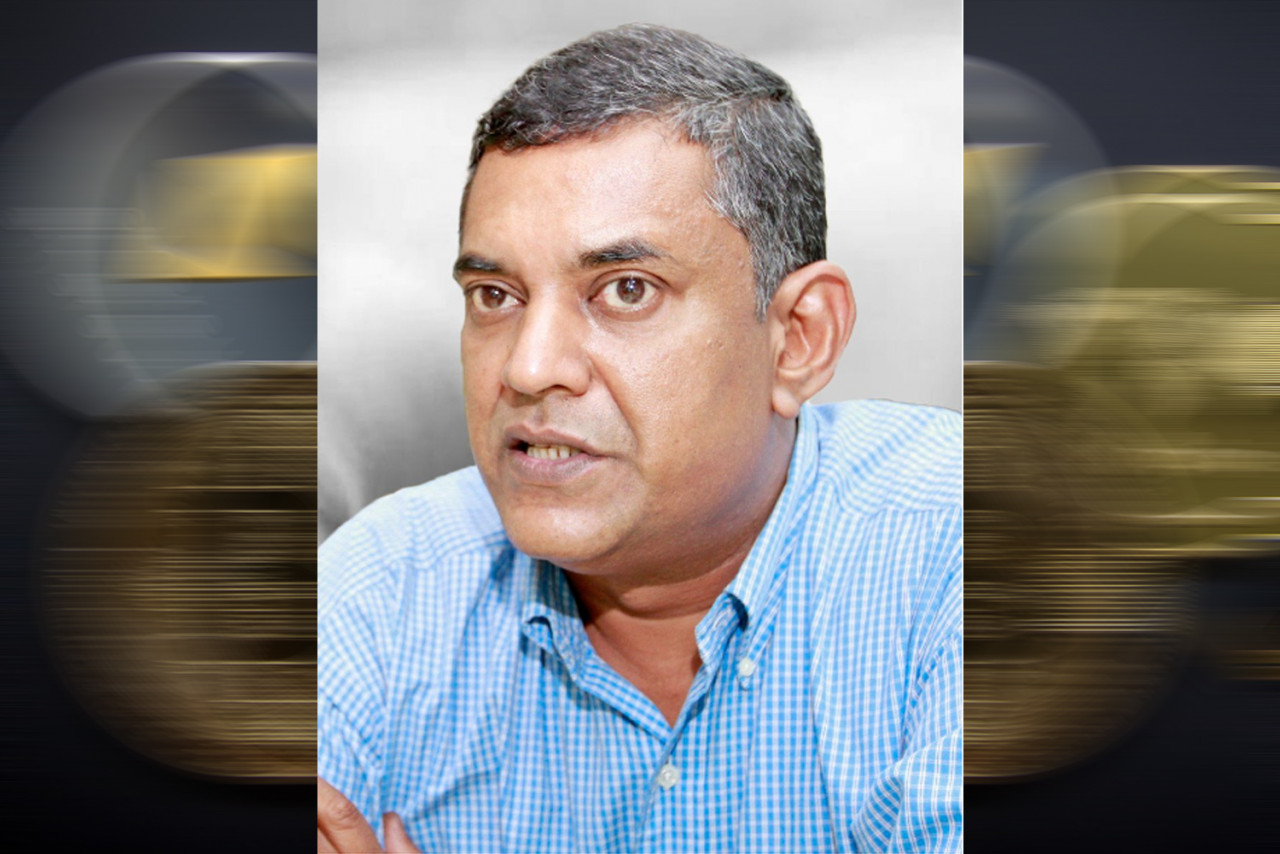
Universiti Sains Malaysia honorary Associate Prof and criminologist Datuk P. Sundramoorthy said the cryptocurrency business needs to be carried out on a big scale to make profits, as smaller operations incur losses.
He said Securities Commission Malaysia (SC) last year recognised several companies to establish and operate digital asset exchanges in the country.
The issues involving illegal cryptocurrency mining arises when people are attracted to get-quick-rich schemes, or lucrative returns on their investments in a short span of time.
Sundramoorthy said the electricity bill for cryptocurrency mining operations would be very high, and if the profit margin is small, it would not be sufficient to cover overhead costs.
“Because of this, mining operations tend to steal power from TNB. For example, a single-storey shophouse occupant’s normal TNB bill would be RM2,000. When someone turns it into a mining centre, the bill will rise to RM20,000.
“At this stage, the mining operators will start to steal electricity to survive in the business, to the point where TNB will detect a power surge in that particular unit. Such illegal activities will ruin the nation’s financial system and create social chaos.”
To avoid steep electricity bills, cryptocurrency miners may shift their operations to interior areas or rural villages, and rely on solar power to overcome costly overheads.
For those interested in investing in cryptocurrency, Sundramoorthy said they should do so with companies registered with a regulatory body.
“Let’s imagine a situation where a RM10 million investment is made over a period of 10 years by various individuals through an unrecognised body. What would happen if there are no returns, or if it is found to be a scam – how would it affect society at large?
So, a regulatory body is important to monitor the investment fund. If such funds are not regulated, it can eventually end up as a form of transaction in the narcotics trade, money laundering, or for financing terrorist movements.”
Power theft costing TNB dearly
Northeast district police chief Soffian Santong earlier told The Vibes that the Commercial Crime Investigation Department, in a series of raids in the city, arrested four people and seized 411 bitcoin mining machines, computers and routers worth over RM100,000.
He said a TNB team participated in the raids as the suspects are believed to have made illegal connections to steal electricity for their operations.
The utility company has reported RM420,000 in lost revenue in two months due to power theft, he said.
In March, police raided four premises in Bukit Mertajam that allegedly stole electricity to power bitcoin mining.
Penang Criminal Investigation Department chief Rahimi Raais said six local men were arrested.
He told The Vibes that all the premises, which had been operating for almost a year, were connected without going through approved electrical meters and unregistered, causing TNB to lose hundreds of thousands of ringgit.
The police investigation also looked at the element of criminal syndicates in these cases, he said.
The suspects were investigated under Sections 379 and 427 of the Penal Code, for theft and committing mischief, thereby causing losses or damage amounting to at least RM25, respectively.
Possible to mine cryptocurrencies legally
Former state police chief Datuk Seri A. Thaiveegan said Malaysians should conduct their cryptocurrency business with registered and recognised market operators to establish and operate digital asset exchanges in the country.
It is legal as long as business is conducted through firms recognised by SC and Bank Negara Malaysia.
“It becomes illegal when the operators are involved in electricity theft, or when they conduct these online businesses despite being unregistered with SC,” said Thaiveegan.
“Regulatory bodies are important to monitor the buying and selling of cryptocurrencies.
The bitcoin currency has become the new global transborder business. However, a legal framework and regulatory bodies are vital to ensure that the fund does not ruin any nation.”
At present, Luno Malaysia Sdn Bhd is one of three companies – the others being SINEGY and Tokenize – recognised by SC to establish and operate digital asset exchanges in Malaysia.
In a post on its website in January last year, Luno described cryptocurrency as a type of digital currency that uses cryptographic techniques to control its creation.
“Bitcoin and other types of cryptocurrencies exist thanks to a technology called blockchain.
“Think of blockchain as a public database that is distributed across many computers. Each cryptocurrency transaction is recorded in a ‘block’ of data, which is connected to other blocks of information in a ‘chain’.”
It was reported that the government said cryptocurrencies will not be banned.
“It is not the intention of the authorities to ban or put a stop to any innovation that is perceived to be beneficial to the public,” said the Finance Ministry last year.
With the government regulating digital asset exchanges, it is advisable for individuals seeking to invest in cryptocurrencies to enlist with SC-recognised platforms.
Additionally, those seeking to establish a digital asset exchange to trade bitcoin and other cryptocurrencies in Malaysia must comply with SC regulations that require exchanges to have robust measures in place to protect users and their assets. – The Vibes, June 19, 2021