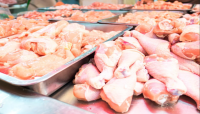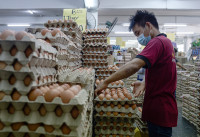

KUALA LUMPUR – Even though chicken prices won’t be changing any time soon, a prominent retailer believes the cabinet’s recent calling out of cartels supposedly controlling poultry supply is a good sign that their actions will no longer be tolerated.
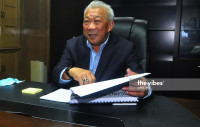
Speaking to The Vibes, Bumiputera Retailers Association president Datuk Ameer Ali Mydin said the drastic measures announced by Prime Minister Datuk Seri Ismail Sabri Yaakob on Monday to alleviate the crisis should be commended, after bigger industry players were accused of causing a disruption.
This is after they supposedly stopped supply to the market in protest of the government’s price control and subsidy mechanism.
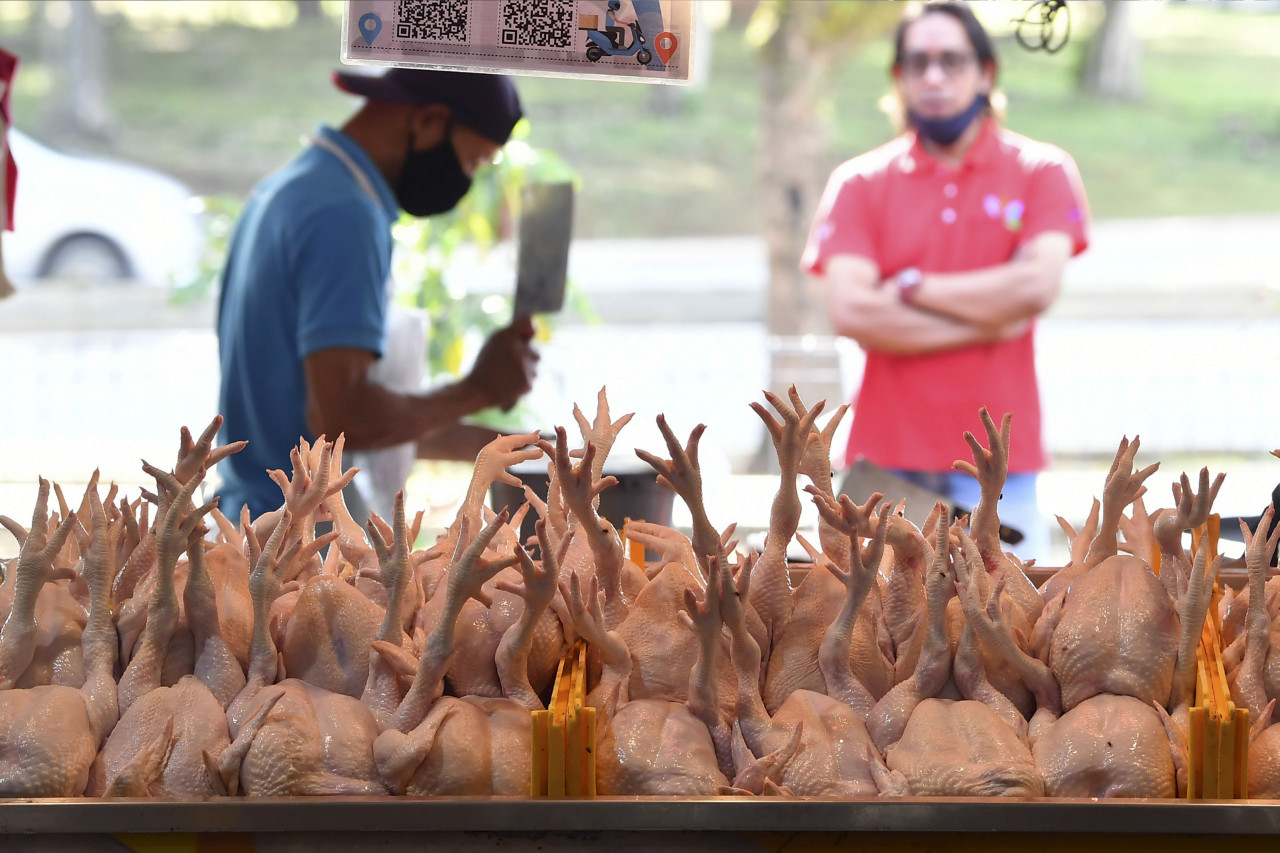
“As we know, the government has capped the retail price of chicken at RM8.90 (per kg), and will subsidise the rest, but the bigger players are not taking it.
“They claim the reimbursement process is too tedious, but I don’t think it’s because of this, as they are large companies that can certainly afford a slight delay.
“I think they simply want the government to remove price controls so they can set their own. With the current subsidy mechanism, they can only cover their cost and make a slight profit,” Ameer Ali said.
“So what they are allegedly trying to do is create havoc by claiming there is a chicken shortage. They think because they are so big, they can control the economy. That is why I applaud the government for taking the bull by the horns.”
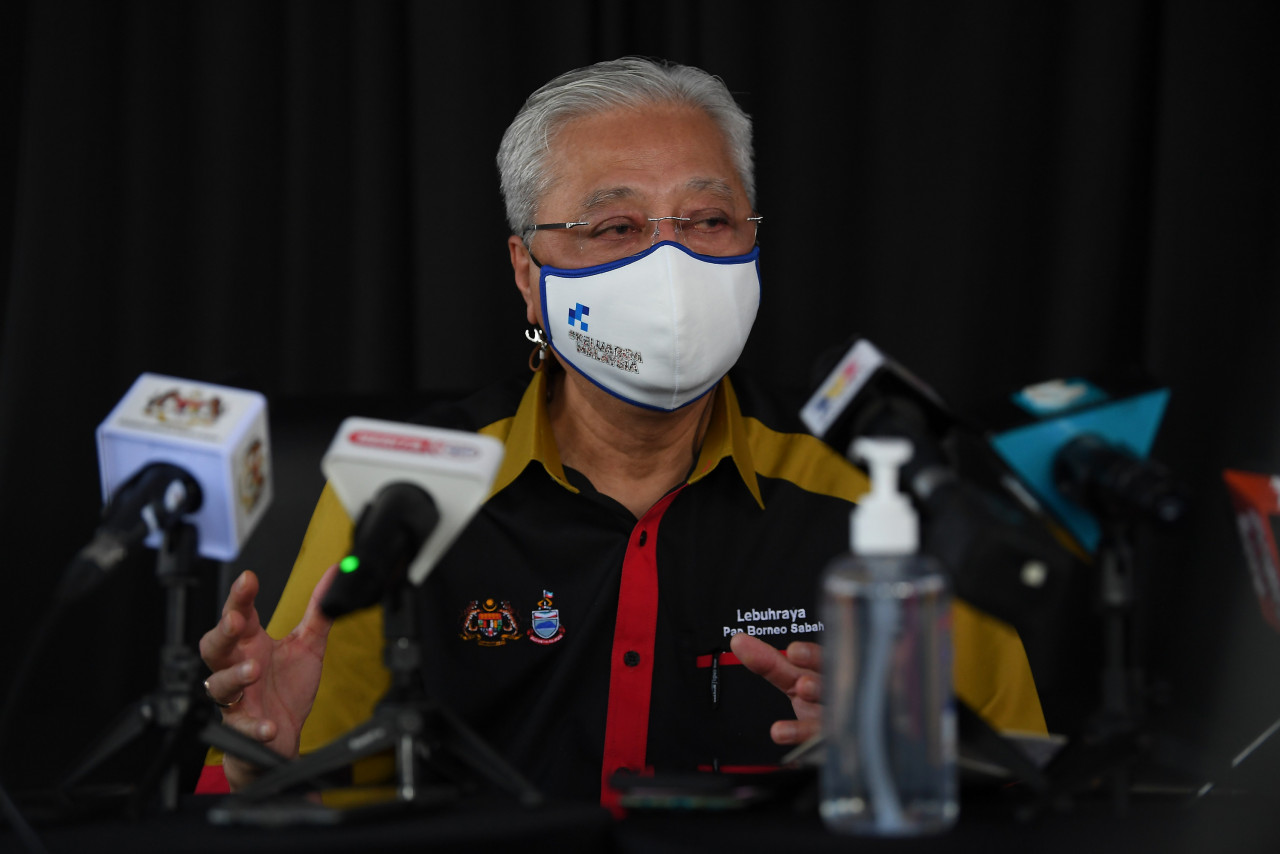
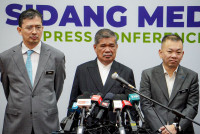
In a statement on Monday, Ismail Sabri had said the current shortage of chicken in Malaysia is down to several larger local players supposedly halting supplies, as they are not interested in going through the hassle of claiming subsidies and want prices to be determined by market forces instead.
He said a probe is currently being conducted by the Malaysia Competition Commission to look into reports of cartels controlling the price and supply of poultry, which is expected for completion next month.
To address the supply shortage, Ismail Sabri said the cabinet has agreed to ban the monthly export of 3.6 million chickens beginning June 1 until the situation stabilises, while the approved permit (AP) requirement to import poultries has also been removed.
Ameer Ali, who is Mydin Mohamed Holdings Bhd’s managing director, said while availability of chickens is expected to improve as a result of these measures, prices are not projected to immediately drop, noting the high cost elsewhere globally.
“Regardless, do note that this is the first time the government has openly acknowledged the existence of cartels in the poultry industry. And I’m just very disappointed that these so-called Malaysian producers could stoop so low as to deprive us of food, just for the sake of making profit.”
Increase pool of exporting countries
To further improve poultry supply, Ameer Ali urged the government to increase the number of countries and abattoirs from which Malaysia can import its poultry from, saying the abolishment of APs alone to encourage imports is insufficient.
He argued that broadening the pool of exporters would ensure a more competitive market and subsequently pressure foreign suppliers to drive their prices down.
Drawing comparisons with Singapore, Ameer Ali questioned how a country with a much smaller population size is able to allow the import of poultry from more countries compared to Malaysia.
A check on the Singapore Food Agency website found that the island state has granted full exporting approvals to 14 countries for frozen poultry, while 10 others are allowed restricted export to the republic.
At present, Malaysian authorities have only approved imports of chickens from three nations, namely Thailand, China, and Brazil, with the strict halal certification by Islamic Development Department of Malaysia (Jakim) also further limiting the number of suppliers allowed to export here.
“Whether it is the Veterinary Services Department (DVS) or Jakim, the government needs to sort it out. My suggestion is that all the stakeholders involved, including the importers, be called for discussions to address this issue.
“The point is that we all can work together to ensure supply availability from more countries and get more abattoirs approved.”
Ameer Ali lamented that other goods like cosmetic products and canned food need not gain individual Jakim approval – these items are allowed to be imported as long as Jakim recognises the halal certification of the source country – when the same is not applied to meats.
“Even for beef from Australia, DVS and Jakim approve a very limited number of abattoirs. I hate to say this, but Jakim will claim its halal standards are higher than other countries. But halal is halal, and that should be it.” – The Vibes, May 26, 2022