PRIME MINISTER Datuk Seri Anwar Ibrahim has underscored Tenaga Nasional Bhd’s (TNB) central role in managing Malaysia’s energy transition while supporting the rapid growth of artificial intelligence and digital infrastructure, which he said will significantly increase pressure on electricity and water resources.
Speaking at the Energy Transition Conference organised by TNB at the Kuala Lumpur Convention Centre (KLCC) today, Anwar said Malaysia remains committed to a “just transition” that balances technological progress with energy security and national values.
“I have full confidence in TNB's ability to guide our energy transition and to deliver on the promises of AI and energy,” he said.
“We will deliver our promise to the rakyat that our transition will be just. Our energy will be secure. And that AI will serve this nation and our values,” he added.
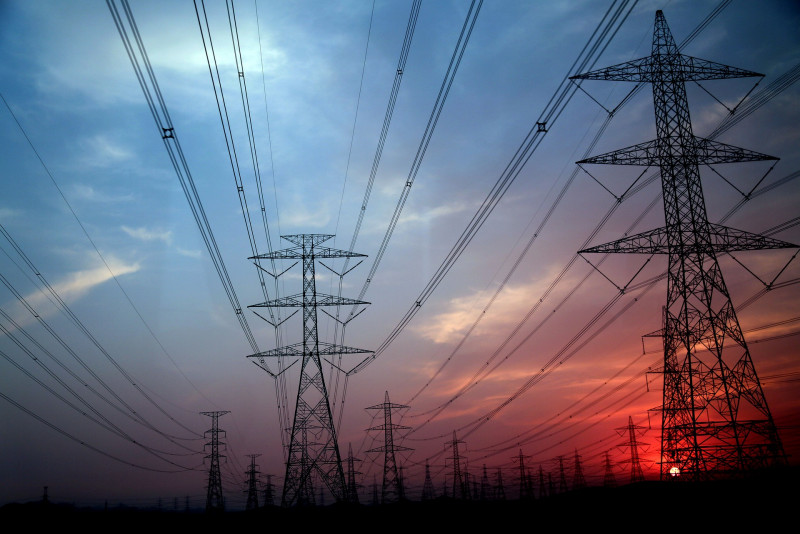
Anwar said the expansion of artificial intelligence technologies, coupled with the rapid proliferation of data centres and advanced computing facilities across the region, is expected to sharply increase energy demand in the coming years.
He also pointed to growing investment momentum in AI, semiconductors and digital infrastructure as key drivers of higher electricity consumption, particularly as Malaysia and its neighbours compete for high-value digital economy investments.
According to the Prime Minister, this trend makes it essential for Malaysia’s energy institutions to maintain strong operational capacity and responsiveness.
“That's why I made a particular reference to the capacity of the TNB leadership for responding to this demand and insistence fast enough. That shows resilience, capacity,” News Straits Times quoted him saying.
Anwar, who is also Finance Minister, warned that external geopolitical tensions continue to pose risks to global energy markets and supply chains, citing instability linked to the Strait of Hormuz as an example of how disruptions can have wide-ranging global consequences.
“While the epicentre was not in the region, it affected the entire region, straining the supply lines that feed industries and power poles, and triggering energy emergencies in Asean, neighbouring countries, and in fact, the ramifications throughout the world,” he said.
He added that ASEAN’s overall energy demand is projected to rise by more than 60 per cent by 2040, driven by urbanisation, industrialisation and the accelerating digital transformation across the region.
“As we look forward, the challenge of energy and AI is clear. We must ensure resilience in our systems and that technological progress serves the people,” he said.
Anwar’s remarks come as Malaysia positions itself to attract large-scale investments in data centres and semiconductor-related industries, developments expected to reshape national electricity demand and accelerate the need for grid modernisation, capacity expansion and long-term sustainable energy planning. - June 4, 2026