




KUALA LUMPUR – Labour stakeholders have lauded the government’s recent move to relax rules on the entry of migrant workers, saying it will help expedite the fulfilment of Malaysia’s manpower requirements.
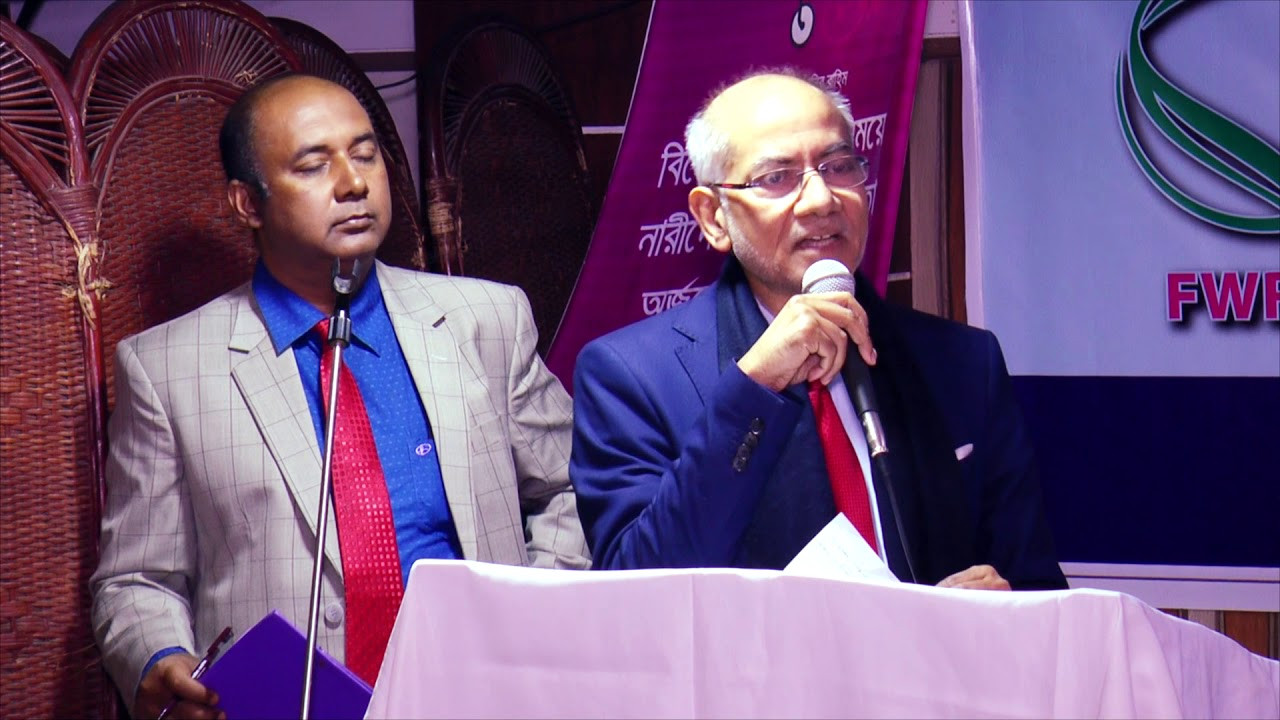
Bangladesh Association of International Recruiting Agencies secretary-general, Shameem Ahmed Chowdhury Noman, said the plans and steps taken by the government are a positive development, as many workers from his country had faced numerous hurdles to enter Malaysia to work legally.
“With the current situation, there is still a bottleneck (of Bangladeshi workers) wanting to enter Malaysia, and the mobility of the workers is (still) slow,” he told The Vibes when contacted recently.
“Hopefully, with a meeting between the two (respective) ministers (from Bangladesh and Malaysia)... they can finalise how the process can be made faster so that it can fulfil Malaysia’s requirements.”
On January 10, Home Minister Datuk Seri Saifuddin Nasution Ismail said employers will now be allowed to bring in migrant workers from 15 source countries based on their capability and need, without needing to fulfil the previously imposed conditions for hiring and quota qualification.
This temporary solution means that employers could obtain approvals as soon as three days from the submission of their application for the workers.
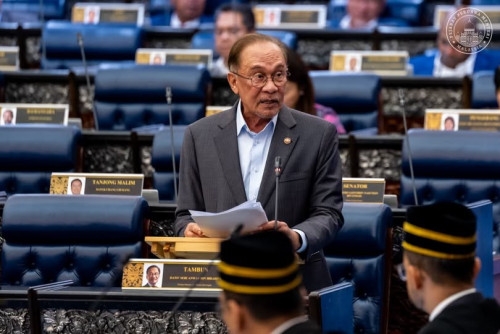
This, he said, will be implemented under a new Relaxation of Employment of Foreign Workers Plan, which was agreed upon and decided in a special meeting on the management of migrant workers, chaired by Prime Minister Datuk Seri Anwar Ibrahim.
The plan, which is limited to the manufacturing, construction, plantation, services, agriculture, migrant domestic helpers, and the mining and quarrying sectors, is only a temporary policy and will be reviewed in the future.
‘We want the same process as other countries’
The relaxed rules come amid the entry of Bangladeshi workers to Malaysia being monopolised by two power brokers, with calls growing for an open system that no longer limits the number of recruitment agencies.
Lately, stakeholders have urged the government to end the involvement of two “cartels” that rake in billions annually from forced labour and exploitation.
Despite the cartel leaders’ meetings with Anwar, the prime minister has proceeded to order the Home Ministry and Human Resources Ministry to look into the allegations of human trafficking and slavery involving these individuals.
Praising Putrajaya’s latest move, Shameem said Bangladesh is more than willing to fulfil Malaysia’s requirement for workers as soon as possible.
“We have plenty of workers wanting to come to Malaysia… we anticipate and are really looking forward to meeting the (Malaysian) home minister if he makes a visit to Bangladesh,” he said.
However, he said the association and other stakeholders in Bangladesh would have a clearer picture of the new rules and their implementation after Bangladeshi and Malaysian government officials hold a meeting on the matter.
“Our ultimate goal is to have a migration process that is similar to other migrant source countries. We want the same process as Nepal in terms of sending workers to Malaysia,” he said.
“We are expecting that the process would be the same for all workers. In fact, (we seek the same process) for countries such as Indonesia.”

‘No more blank cheques’
Malaysia HR Forum & Social Compliance Malaysia co-founder Arulkumar Singaraveloo said the relaxed rules may be a necessary move to ease the severe labour shortage affecting the industries in Malaysia.
However, he said applications must be vetted thoroughly. Employers’ capacity to ensure the migrant workers do not fall into forced labour must also be assessed, he added.
“One aspect which the government must not give in to is the need to have the accommodation approved and ready prior to the application, or at least get an undertaking from the employers to have the accommodation ready and approved by a specific period before the arrival of the workers,” he told The Vibes when contacted.
He said the government should also ensure the workers recruited are hired on a zero-cost basis, as enshrined in the Protocol of 2014 to the Forced Labour Convention, of which Malaysia is now a signatory.
Arul also said that providing employers with a “blank cheque” to hire by bypassing the quota requirement may be counterproductive to the government’s efforts of eliminating forced labour practices.
He said if the employers do not have the capacity to ensure compliance with the International Labour Organisation’s guidelines, then it may be risky to even allow them to recruit migrant workers.
“Employers could take the opportunity to fill their labour gaps immediately and return to the pre-pandemic level within a short time frame,” he said.
“We need to be very careful of employers or parties who may exploit this opportunity.” – The Vibes, January 24, 2023










.jpeg)
