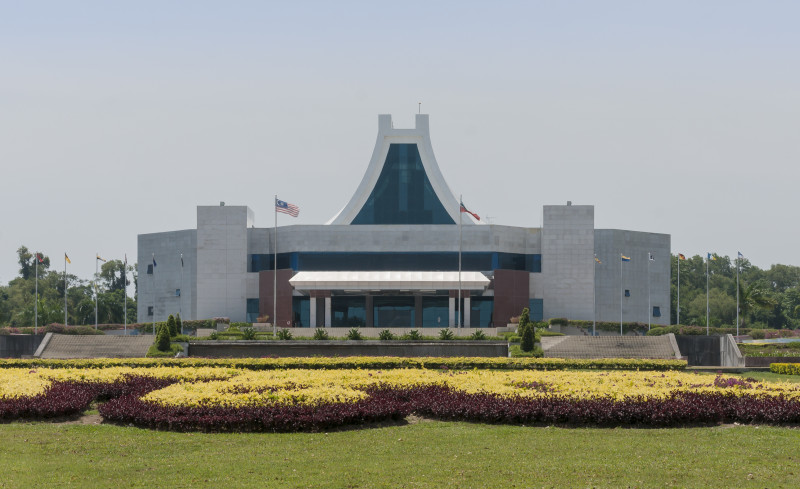

KOTA KINABALU – At least two constitutional provisions will be involved in Sabah’s move to adopt an anti-party hopping law when its legislature sits for the next four days.
After accusations from political rivals and critics that the Gabungan Rakyat Sabah (GRS) government was delaying the bill, Chief Minister Datuk Seri Hajiji Noor confirmed yesterday that it will be tabled during the sitting that begins today.
He denied purposely delaying the bill, saying procedures had to be followed as state constitution amendments are needed in order for the law to come into force.
The bill to amend the state constitution will affect certain clauses deemed to be in conflict with the anti-hopping law, one of them on contesting elections after losing assembly membership.
Freedom to contest elections
To be in line with the federal anti-hopping law, provisions in Sabah’s constitution on disqualification from the state legislature and that bar assemblymen from standing in elections for five years will need to be amended.
The federal law passed in Parliament last year saw the removal of the federal constitution’s Article 48, which disqualifies a resigned lawmaker from contesting elections for five years.
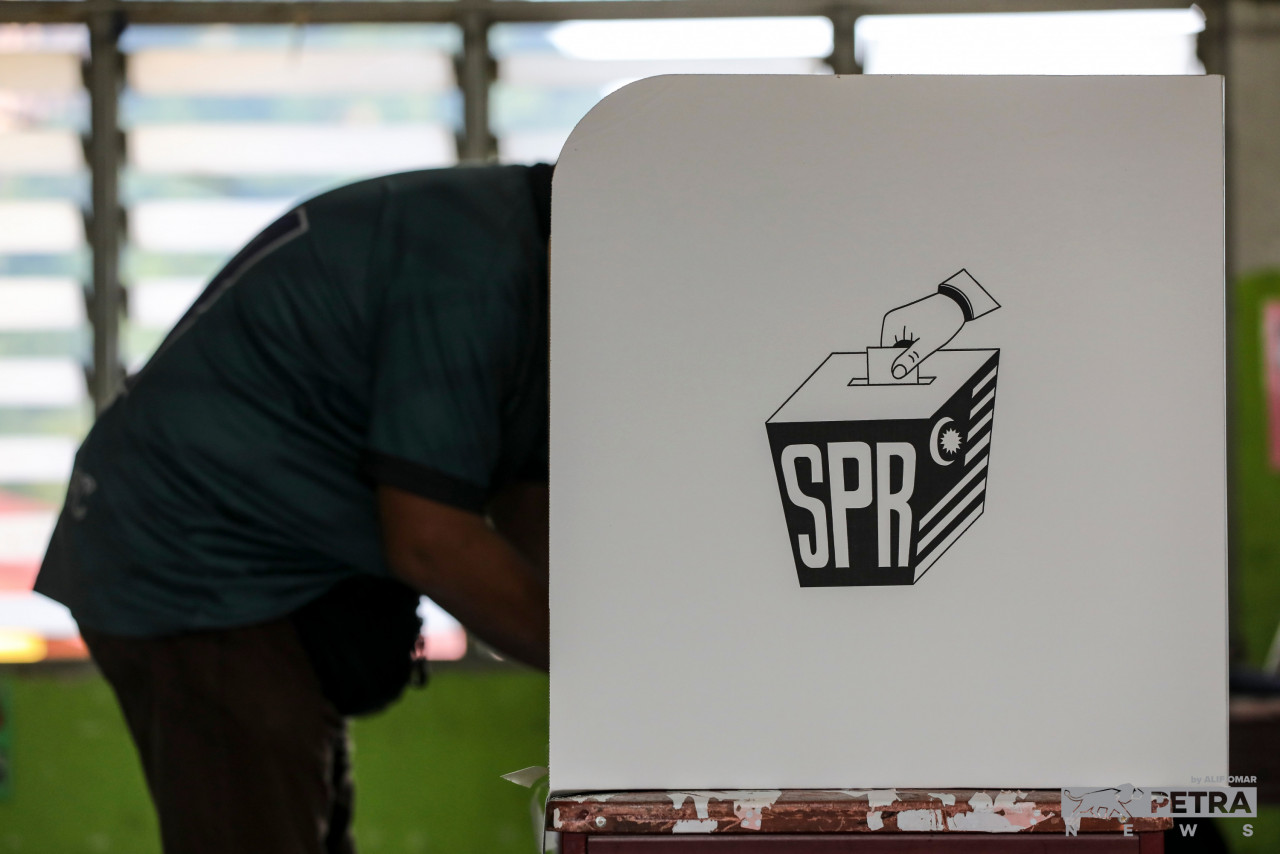
Similarly, the Sabah constitution will have to be amended.
Clause 5 of Article 17 in the Sabah constitution states that “An elected member who resigns his membership of the Legislative Assembly of this State or any other State shall, for a period of five years beginning with the date on which his resignation takes effect, be disqualified from being elected as an elected member of the Legislative Assembly of this State”.
The assembly may seek to abolish this clause so as to allow any assemblymen who resign to contest in any election at any time.
Article 6(7): the chief minister
Another provision to be considered in the state constitution would be Clause 7 under Article 6. It was a much-debated topic during Sabah’s political crisis in January, when it almost looked as if Hajiji’s government would fall.
Article 6(7) reads: “For the purpose of Clause (3) of this article, where a political party has won a majority of the elected seats of the Legislative Assembly in a general election, the leader of such political party, who is a member of the Legislative Assembly, shall be the member of the Legislative Assembly who is likely to command the confidence of the majority of the members of the Assembly”.
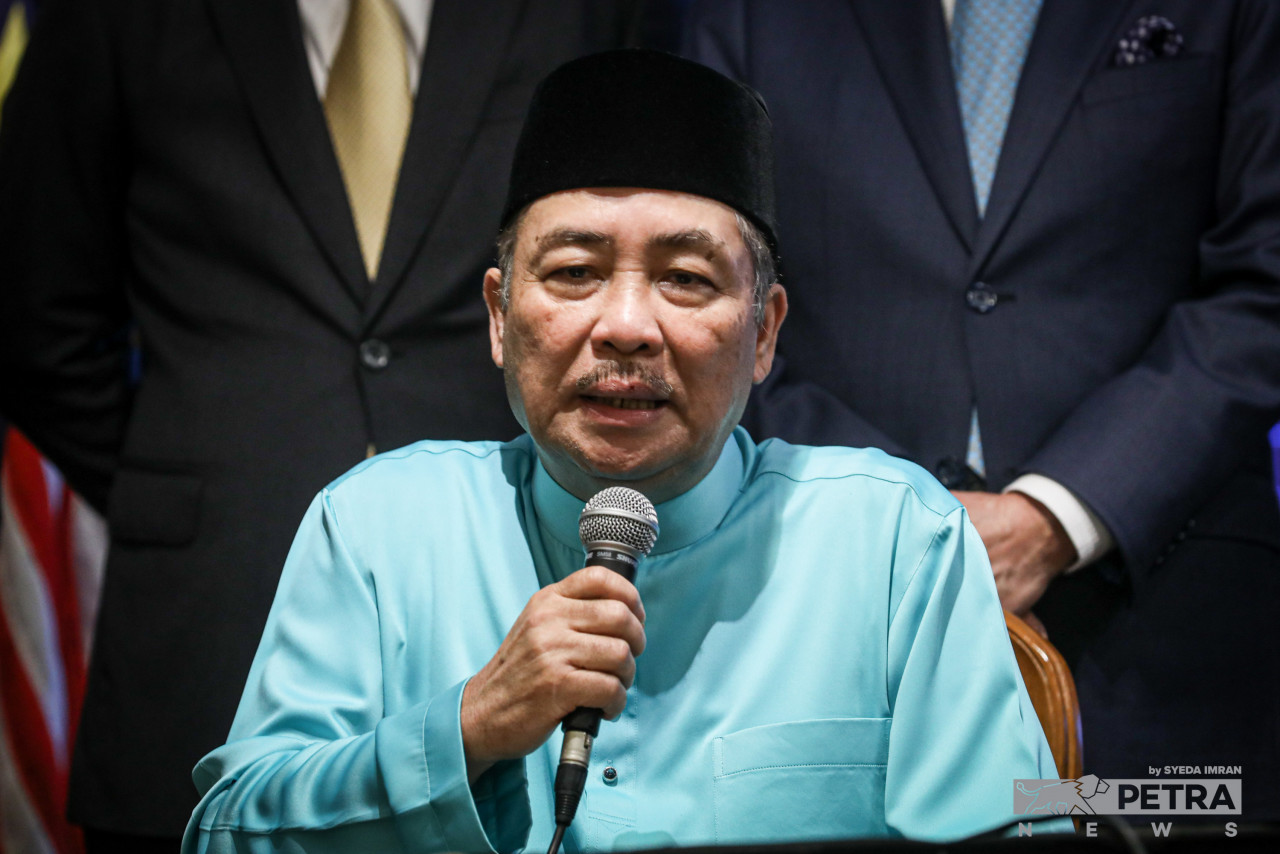
In January, Hajiji, who had been Sabah Bersatu chief, almost lost his government after he quit the party the month before along with other Bersatu assemblymen.
Despite declaring himself a “direct member” of the GRS coalition, rivals used Clause 7 to claim that he was party-less and that his leadership of the state government was in question.
As Clause 7 states that the Sabah chief minister must be a leader of a political party that won the state election, Hajiji no longer had a “party” after leaving Bersatu.
Further, Bersatu did not win the majority of seats in the 2020 state election alone, as it had done so with then-partner Umno-Barisan Nasional.
For the record, Hajiji has now taken over an existing party, renamed it Parti Gagasan Rakyat Sabah, and is now its president.
During the January crisis, however, his legitimacy as chief minister was questioned by the state opposition.
Warisan and the Datuk Peter Anthony-led Parti Kesejahteraan Demokratik Masyarakat (KDM) had raised their doubts, as well as Sabah Umno, which initiated a withdrawal of support from his GRS government in the same month.
Questions raised
The Vibes understands that Article 6 of the Sabah constitution will be amended by deleting Clause 7.
This has prompted questions by some in the local legal fraternity on the relationship between this article on the party membership criterion for the chief minister and the anti-hopping law.
Commentators say it would appear disingenuous for the GRS government to have the provision removed, given that it was controversial during the January crisis.
Yet, doing so will remove all ambiguities and constitutionally strengthen Hajiji’s position as chief minister.
Article 6(7) is also a product of Sabah politics’ tumultuous 1990s, when the state was governed by Parti Bersatu Sabah (PBS).
PBS saw its government collapse at the hands of political “frogs”, which is why Sabah’s oldest party has been vocal in pushing for the anti-hopping law’s adoption.
PBS, now part of the GRS government, is likely to see the provision it brought in removed by GRS.
Hajiji now has the support of over 40 lawmakers in the assembly of 73 elected seats, which gives him a comfortable majority to remain in power.
The Sabah assembly will convene for four days, from today until Thursday. – The Vibes, May 22, 2023