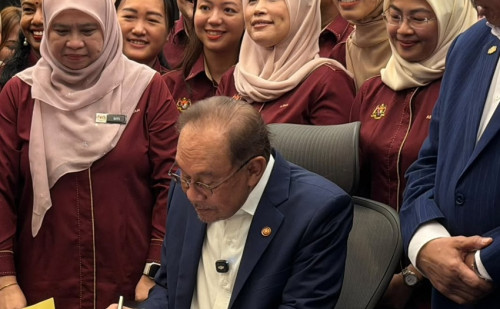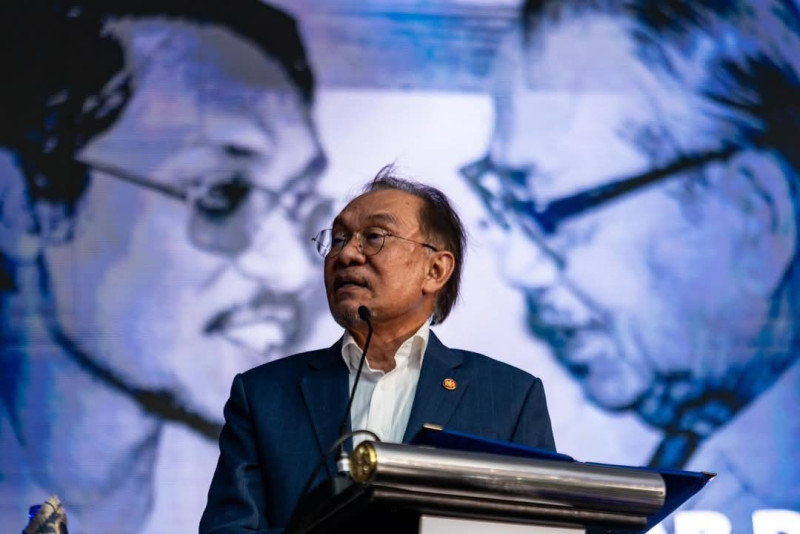

PRIME Minister Datuk Seri Anwar Ibrahim expressed his gratitude for the country's strong economic performance at the turn of the new year - thanking the combined efforts of the leadership team and civil servants at every level.
He said the success is a testament to the hard work and sacrifices of all involved, from senior management to those on the ground which included all Malaysians, despite challenges and uncertainties.
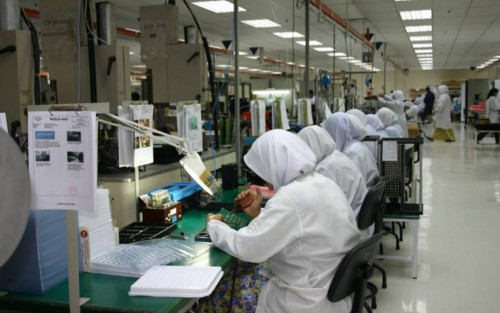
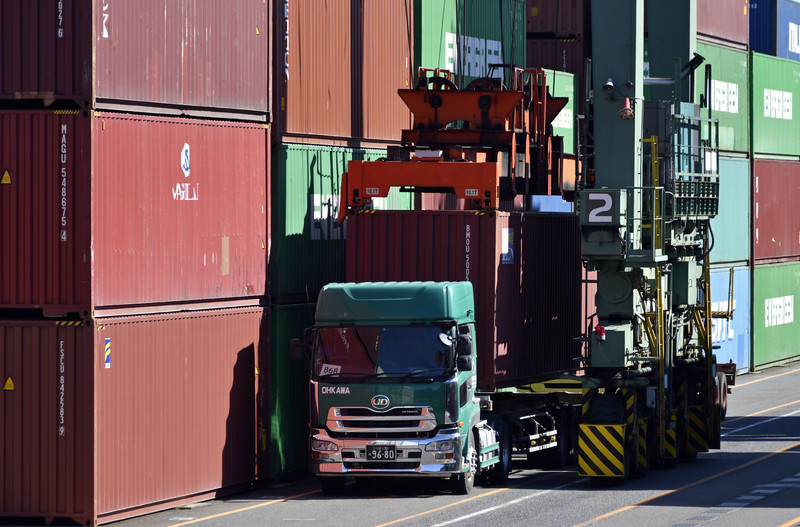
The leader expressed this based on the impressive performance, among others his administration’s formidable success in achieving billions of ringgit in pledged foreign investments in 2024 which had lead economists forecasting that Malaysia's economy will continue to grow positively in 2025, with gross domestic product (GDP) projected to reach up to 6.0 per cent.
Anwar recently said that Malaysia's GDP is on track to grow between 4.8 per cent and 5.3 per cent, driven by increased household spending.
Malaysia's GDP grew 4.2 per cent, 5.9 per cent and 5.3 per cent in the first, second, and third quarters of 2024, respectively.
He said then: "The Malaysia Madani framework emphasises universal justice, where the success of the nation is measured not only in economic terms but also in ethics, morals, and good governance."
Why is this important in the face of the looming Parti Keadilan Rakyat (PKR), or better known as Keadlian’s elections set for May 24 this year?
Anwar, who is also the president of PKR recently said: “The decision on whether the positions of president and deputy president of PKR will be contested in the election in May will be determined by the party leadership". He does not wish to interfere in the matter.
"Let them decide. I won’t interfere. Let democracy take its course, whether there will be contenders or not, they will decide themselves," he said.
There seems to be some contention, mainly by naysayers in saying that Anwar is not applying the principles of democracy when it comes to running PKR, specifically holding onto the top post.
Avoiding internal conflicts
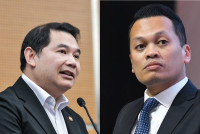
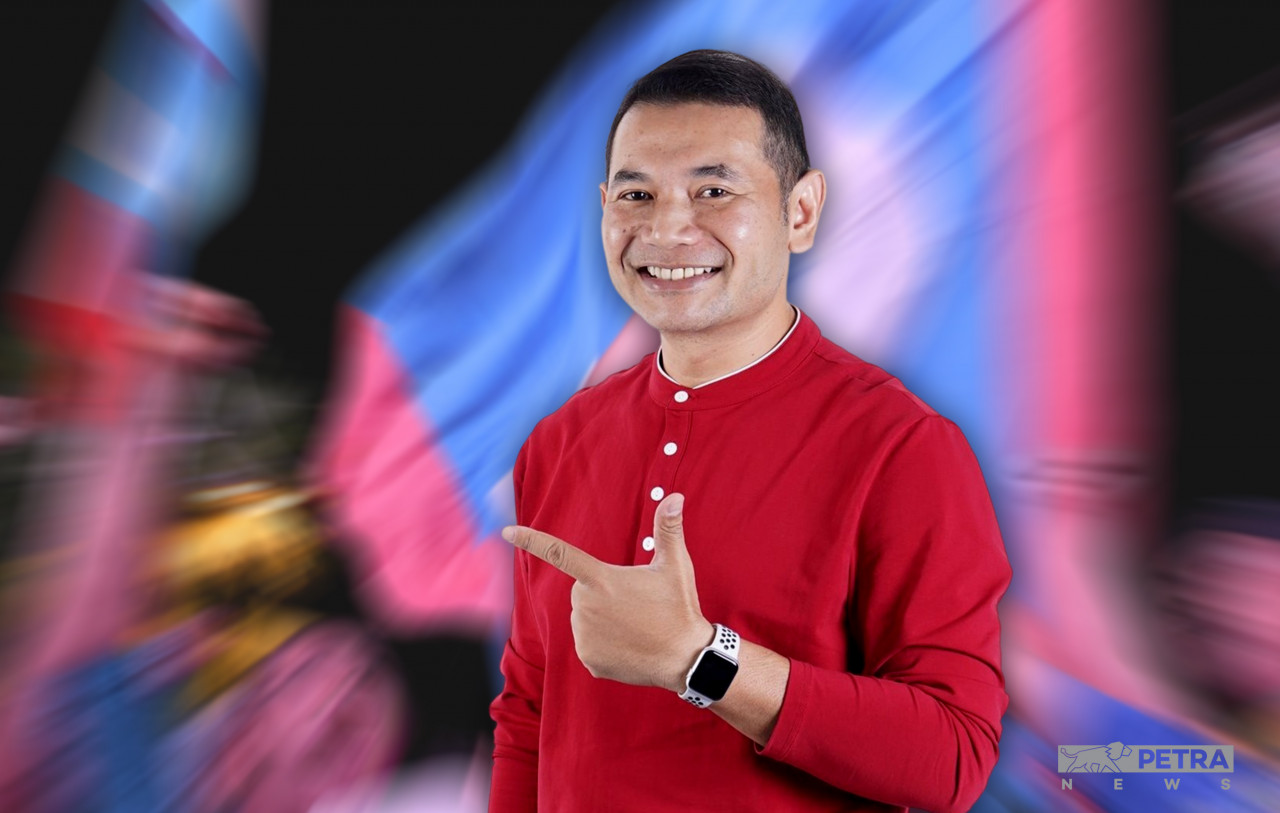
Political analysts have supported the stand that retaining both Anwar and his deputy Rafizi Ramli in their current positions within PKR as crucial for maintaining unity and avoiding internal conflicts within the party.
Insiders agree that holding elections for the top two posts within PKR during the party’s central leadership election on May 24 could have significant consequences, not only for the party but also for the stability of Malaysia’s unity government.
They emphasised the importance of stability within PKR, highlighting that as a key player in the current unity government, the party’s leadership needs to remain focused and undistracted by internal power struggles.
"Any sign of instability or internal division within PKR could be exploited by opposition parties such as Perikatan Nasional (PN), potentially weakening the coalition and its standing," an insider said.
The insider also supported the idea, cautioning against any moves that could destabilise PKR at this critical juncture.
He warned that allowing any contest for the party’s top posts could create lasting tensions within the party that might ripple through the entire federal administration.
"Such conflicts, even if they arise during the party election, often don’t resolve immediately and could linger, affecting the unity government," he explained, adding, while factions within PKR may exist, they have remained largely dormant due to the lack of a contest for the top leadership positions.
It was reported recently that Datuk Seri Shamsul Iskandar Akin, the senior political secretary to the Prime Minister, revealed that discussions were taking place among senior party leaders to prevent a contest for the president and deputy president during the upcoming elections.
This proposal was met with some criticism, including from former PKR Youth vice-chief Syed Badli Shah Syed Osman, who argued that open contests for leadership posts are essential to uphold democracy and internal party accountability.
However, Shamsul disagreed, emphasising that negotiations and consensus-building ahead of the elections are also a form of democratic process.
Anwar best man for the job
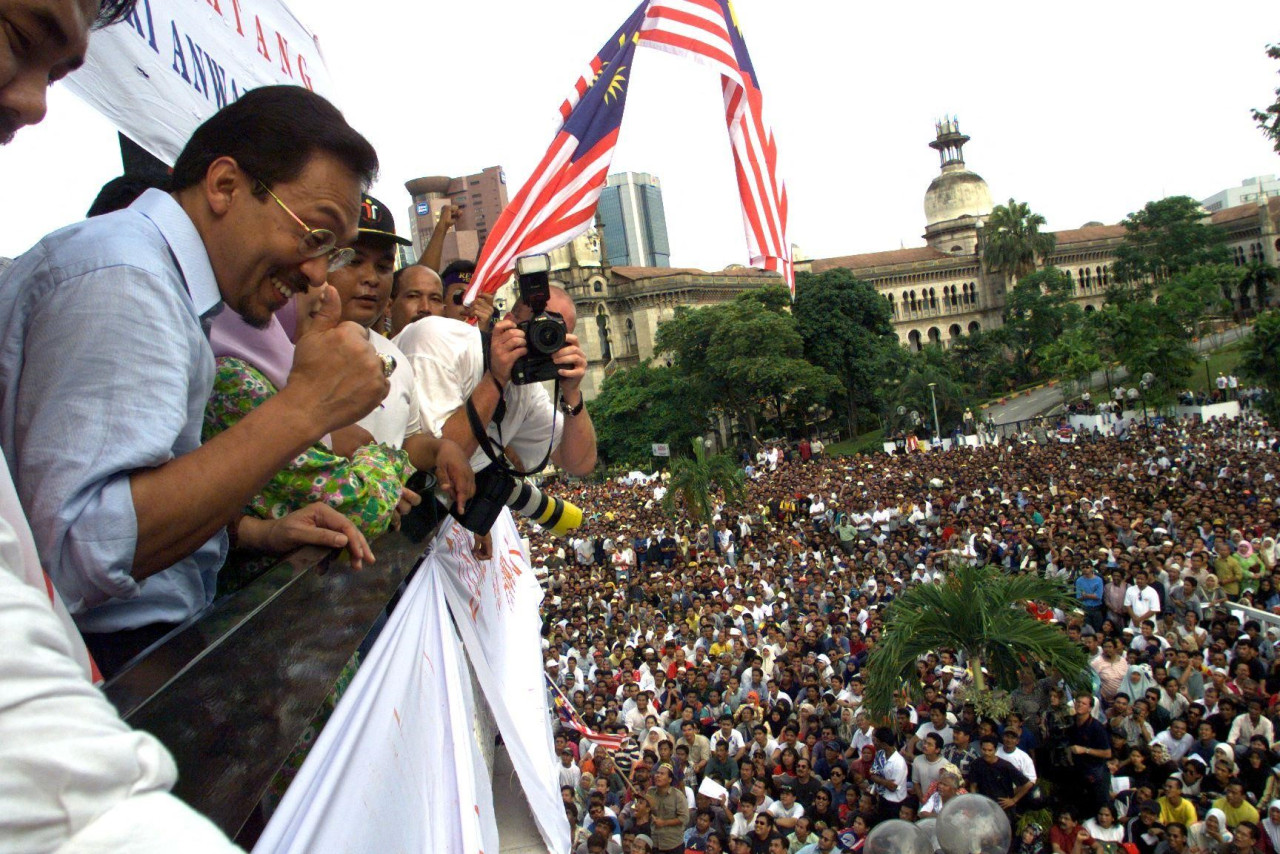
The sentiment at the grassroots level within PKR is strongly in favour of Anwar to remain as president, given his experience, influence, and position as prime minister.
"The grassroots support for Anwar is strong, as they recognise that there is no other leader within the party who can match his qualifications and leadership qualities," sources close to the party said.
These sources said, while healthy competition within a political party is important for its vibrancy and responsiveness to the people’s needs, they agreed that in this case, maintaining stability at the top leadership level is more beneficial for both the party and the broader government.
"The challenge lies in striking a balance between ensuring political openness and maintaining stability, especially when the current leadership has proven effective in navigating Malaysia’s complex political landscape."
The discussion continues to unfold as PKR prepares for its leadership elections in May, with the future direction of the party and its role in the unity government in mind.
In the end, the positive mode of governance shown by Anwar to the people is vital for the nation, this along with the trajectory of Malaysia’s economic and social development, both locally and globally. – February 19, 2025